
Please note: a valid prescription is required for all prescription medication.
Eliquis
Buy Eliquis Online
Secure Encrypted Payments
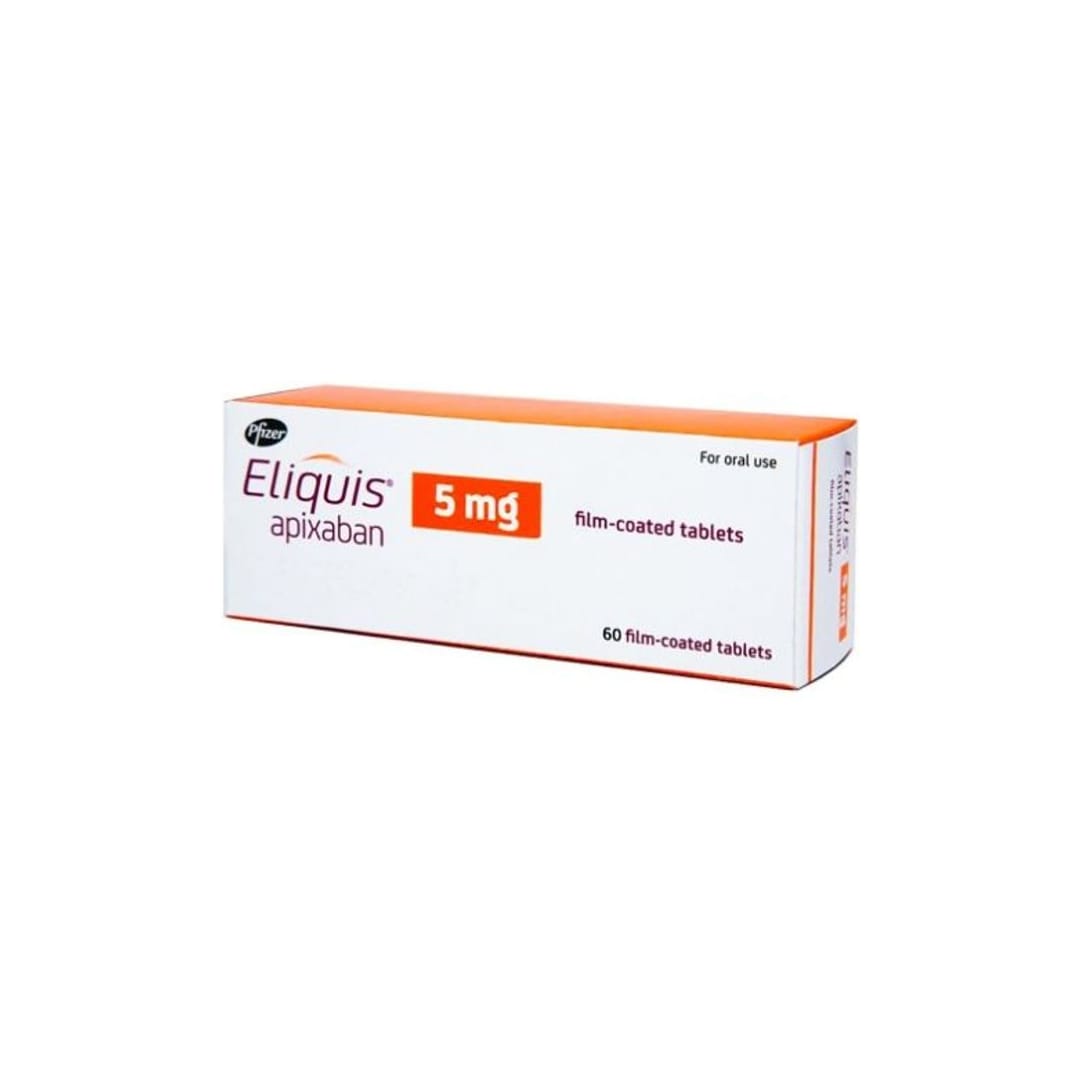
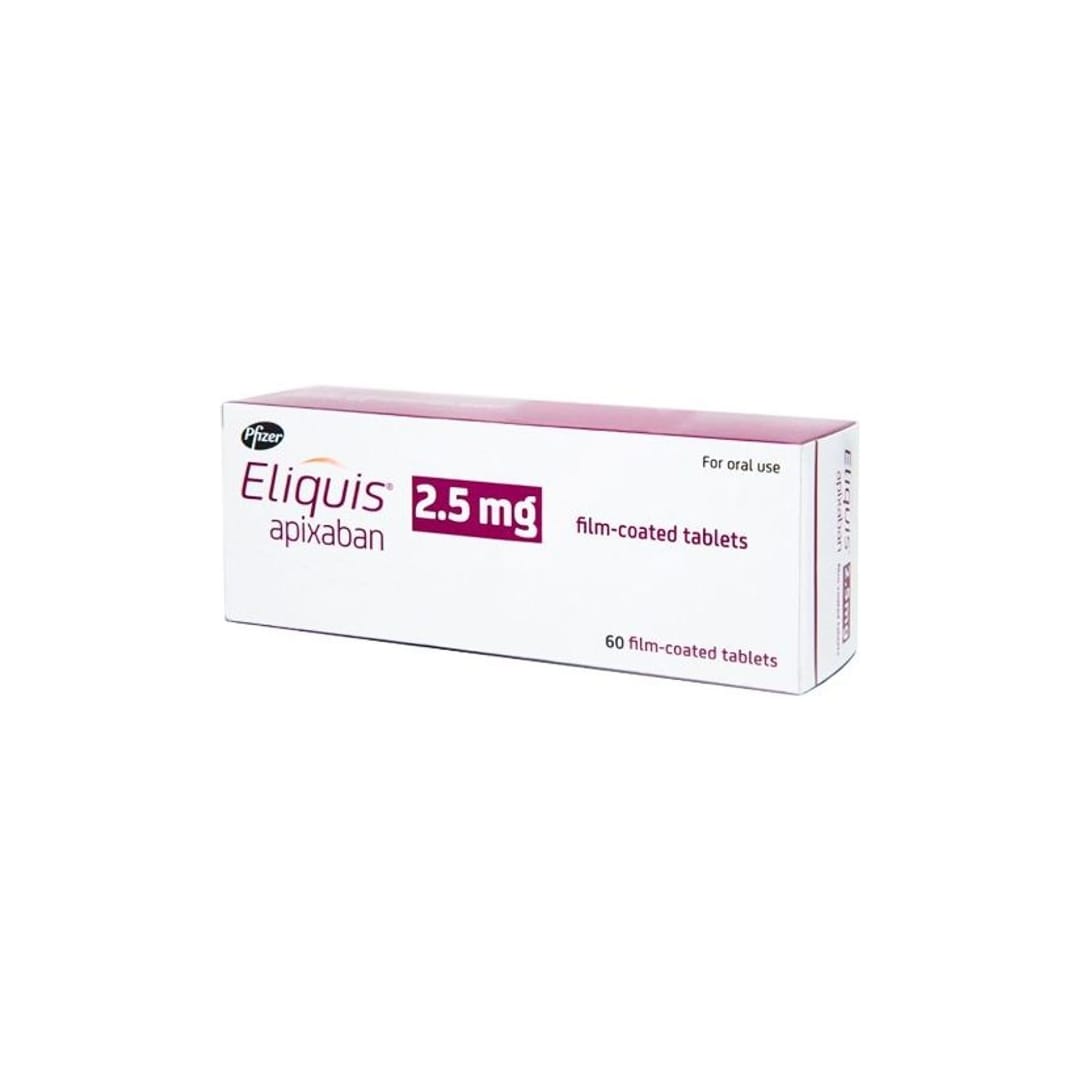
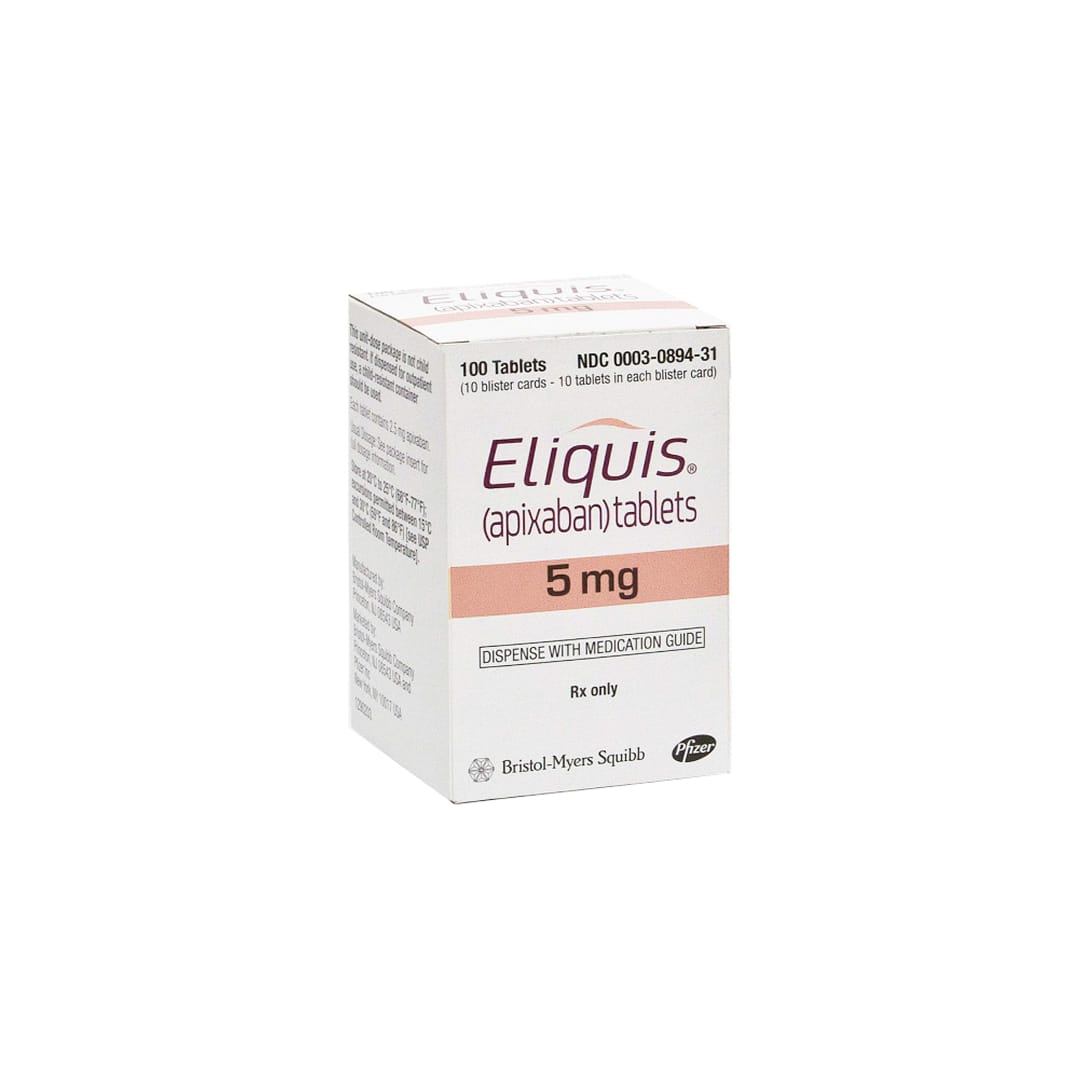
Eliquis is an apixaban blood thinner used to reduce the chance of certain harmful clots and strokes. You can buy Eliquis online, view the current price, and choose the tablet strength that matches the directions from your clinician. Common tablet strengths include Eliquis 2.5 mg and Eliquis 5 mg, and the right strength depends on the condition being treated and your individual risk factors.
Apixaban belongs to a group of medicines called direct oral anticoagulants. It helps reduce clot formation by blocking Factor Xa, an enzyme involved in the clotting process. Because Eliquis changes how blood clots, it can be very helpful for the right person and risky if taken incorrectly, interrupted suddenly, or combined with medicines that raise bleeding risk.
Eliquis Price, Strengths, and Ordering Basics
The price of Eliquis can vary by tablet strength, quantity, country of origin, and the pharmacy source available at the time of ordering. Many customers compare the cost of Eliquis 5 mg with the Eliquis 2.5 mg price because monthly treatment costs can differ when the tablet strength or quantity changes. During ordering, select the strength shown for the product and match it to the directions already established for your care.
Eliquis is most commonly recognized as an oral tablet. The two strengths most people ask about are Eliquis 2.5 mg tablets and Eliquis 5 mg tablets. These strengths are not interchangeable based on price alone. A lower-strength tablet may be used for one clinical situation, while a 5 mg tablet may be used for another. The safest choice is the one that matches the intended regimen.
| Tablet strength | How it is commonly identified | Practical ordering point |
|---|---|---|
| 2.5 mg tablet | Eliquis 2.5 mg or apixaban 2.5 mg | Choose this strength only when it matches your directions. |
| 5 mg tablet | Eliquis 5 mg or apixaban 5 mg | Often discussed for ongoing anticoagulant treatment, depending on the condition. |
Packaging, tablet appearance, and country-of-origin details can vary across regulated supply channels. The active ingredient, strength, quantity, and label directions are the key items to review before starting a new bottle. If the tablet looks different from a previous fill, ask a pharmacist to identify it before taking a dose.
How to Order Eliquis for US Delivery from Canada
BorderFreeHealth offers US delivery from Canada for customers seeking cash-pay access to regulated pharmacy medicines. We may review order details to help ensure the selected strength and quantity align with the information provided during checkout. The product can be ordered in the strength displayed for sale, and customers can view current pricing before completing the order steps.
Before placing an order, gather your current medicine list, the Eliquis strength you use, and any recent changes in kidney function, bleeding history, or upcoming procedures. Those details matter because apixaban can interact with common pain relievers, other blood thinners, and certain medicines that affect drug levels. Clear information also helps prevent confusion between Eliquis 5 mg tablets and Eliquis 2.5 mg tablets.
- Confirm the tablet strength before checkout.
- Match the quantity to your ongoing treatment plan.
- Keep an updated medication list available.
- Plan refills before travel or procedures.
Prompt, express shipping may be available through the pharmacy process used for the order. Keep timing in mind if you are close to running out, because stopping an anticoagulant without clinical direction can increase the risk of stroke or another clot.
What Eliquis Is Used For
Eliquis medication is used in several clot-related conditions. It can reduce the risk of stroke and systemic embolism in adults with nonvalvular atrial fibrillation, a heart rhythm problem that can allow clots to form. It is also used to treat deep vein thrombosis and pulmonary embolism, and to help reduce the risk of these clots returning after initial treatment.
Deep vein thrombosis, often shortened to DVT, is a clot that forms in a deep vein, usually in the leg. Pulmonary embolism, or PE, happens when a clot travels to the lungs. For more background on these conditions, see the BorderFreeHealth resources on atrial fibrillation and blood clot DVT and PE.
Eliquis may also be used for clot prevention after certain hip or knee replacement surgeries. The exact reason for treatment matters because different labeled regimens are used for atrial fibrillation, active clot treatment, prevention after initial treatment, and short-term post-surgical prevention. Do not use another person’s schedule as a guide, even if the tablet strength looks the same.
How Apixaban Works in the Body
Apixaban is the active ingredient in Eliquis. It blocks Factor Xa, which is part of the chain reaction that helps blood form clots. By reducing Factor Xa activity, the medicine lowers the blood’s tendency to form dangerous clots while still leaving some clotting ability for normal healing.
This effect is why missed doses can matter. If too much time passes between doses, clot protection may decrease. If extra doses are taken, bleeding risk can rise. Eliquis is commonly taken twice daily, with or without food, and consistent timing helps maintain the intended anticoagulant effect.
Why it matters: Apixaban works continuously only when taken on the schedule intended for your condition.
Routine food restrictions are not handled the same way as with warfarin. Many people do not need vitamin K dietary monitoring with Eliquis. Even so, alcohol intake, over-the-counter medicines, herbal supplements, and changes in health status can still affect bleeding risk or overall safety.
Dosage and Use Basics
Eliquis tablets should be taken exactly as directed for the condition being treated. Twice-daily use is common, but the strength and schedule may differ by indication. Treatment for an active DVT or PE may involve a different early schedule than long-term prevention, and atrial fibrillation dosing is assessed with factors such as age, body weight, kidney function, and other medicines.
If a dose is missed, follow the labeled instructions or ask a healthcare professional how to proceed. Do not double up unless the official directions for your situation say to do so. Sudden changes are especially important with anticoagulants because both clotting and bleeding risks can change quickly.
- Take tablets at consistent times each day.
- Use with or without food unless told otherwise.
- Do not split treatment plans between strengths on your own.
- Ask about procedure timing before dental work or surgery.
Some people have difficulty swallowing tablets. A pharmacist can explain whether the labeled administration instructions allow a different method for a specific tablet. Do not crush, mix, or alter tablets unless the instructions for that medicine and strength allow it.
Major Side Effect and Bleeding Warnings
The major side effect of Eliquis is bleeding. Minor bleeding can include easy bruising, gum bleeding, small nosebleeds, or cuts that take longer to stop. These effects can happen because the medicine reduces clot formation. Serious bleeding is less common but needs urgent attention when it occurs.
Seek prompt medical help for black or bloody stools, vomiting blood, coughing up blood, severe headache, fainting, unusual weakness, or bleeding that will not stop. A head injury should be assessed quickly while taking an anticoagulant, even if symptoms seem mild at first. Internal bleeding may not always be obvious right away.
Eliquis carries important warnings about stopping treatment early. Discontinuing apixaban without an appropriate plan can increase the risk of stroke or other clotting events. Spinal or epidural procedures can also raise the risk of blood collection around the spine, which may cause long-term or permanent paralysis in rare cases. New back pain, numbness, tingling, muscle weakness, or loss of bowel or bladder control after a spinal procedure needs urgent evaluation.
People with active serious bleeding should not take apixaban. Extra caution is also important for anyone with a history of gastrointestinal bleeding, stomach ulcers, liver disease, kidney impairment, recent surgery, or a condition that increases bleeding risk. The safest plan is individualized, especially for older adults or people taking several medicines.
Interactions and What to Avoid
Some medicines and supplements can raise bleeding risk when taken with Eliquis. Other anticoagulants, antiplatelet medicines such as clopidogrel, and nonsteroidal anti-inflammatory drugs such as ibuprofen or naproxen are common examples. Aspirin can also increase bleeding risk for some people unless it is being used for a clearly directed reason.
Apixaban levels can be affected by strong CYP3A4 and P-gp inhibitors or inducers. Some antifungals, HIV medicines, seizure medicines, antibiotics, and herbal products such as St. John’s wort may change how much apixaban is in the body. A full medication review should include nonprescription pain relievers, vitamins, supplements, and any medicine started by another clinician.
What should be avoided while taking Eliquis depends on personal risk factors, but several habits are broadly practical. Avoid starting new pain relievers or supplements without asking whether they affect bleeding. Avoid high-risk activities that could cause head injury unless your clinician has discussed the risk. Avoid stopping the medicine suddenly because the reason for anticoagulation may return quickly.
Quick tip: Keep a written medication list in your wallet or phone in case emergency care is needed.
Monitoring, Length of Treatment, and Follow-Up
Eliquis usually does not require routine INR blood testing, which is one difference from warfarin. That does not mean no follow-up is needed. Kidney function, liver health, bleeding symptoms, procedure plans, and medication changes still need periodic review. Follow-up is especially important after hospitalization, surgery, a new diagnosis, or a new medicine.
How long someone can safely be on Eliquis depends on why it was started and how clotting risk compares with bleeding risk over time. Some people use anticoagulation for a short period after a surgery or clot. Others may need long-term therapy for atrial fibrillation or recurring clot risk. The decision should be revisited when health status changes.
Contact a healthcare professional if bruising increases suddenly, bleeding becomes frequent, fatigue or dizziness appears, or a planned procedure is coming up. Dental extractions, spinal injections, colonoscopy, and major surgery may require a coordinated plan. Do not pause therapy on your own to reduce bleeding during a procedure.
Storage and Travel
Store Eliquis tablets at room temperature in a dry place, with the container closed when not in use. Keep the medicine away from children and pets. The original labeled container helps identify the active ingredient, strength, and directions if you need urgent care or have questions while traveling.
Travel planning is especially important for anticoagulants. Pack enough tablets for the trip, keep them with you rather than in checked luggage when practical, and bring the labeled container. If time zones change, ask how to keep the twice-daily schedule consistent without taking doses too close together.
If tablets are cracked, mixed with another medicine, exposed to moisture, or stored in unsuitable conditions, ask a pharmacist before continuing to use them. Do not combine tablets from different bottles unless the strength and label details are clear.
Comparing Eliquis With Other Blood Thinners
Eliquis is one option among several anticoagulant medicines. Other choices may include warfarin, rivaroxaban, and dabigatran. The right medicine depends on the diagnosis, kidney function, bleeding history, procedure plans, medicine interactions, and how well the dosing schedule fits daily life.
Warfarin requires INR monitoring and is affected by many food and drug interactions. Rivaroxaban may be taken once daily for some uses, but food instructions can matter for certain regimens. Dabigatran has different storage needs and may cause stomach-related side effects in some people. Eliquis is often discussed because it is a direct oral anticoagulant with twice-daily dosing and no routine INR requirement.
| Medicine | Main distinction | Practical consideration |
|---|---|---|
| Eliquis | Apixaban, a Factor Xa inhibitor | Often taken twice daily. |
| Warfarin | Vitamin K antagonist | Requires INR monitoring. |
| Rivaroxaban | Factor Xa inhibitor | Some schedules depend on food. |
| Dabigatran | Direct thrombin inhibitor | Capsule handling and kidney function matter. |
For broader browsing, the cardiovascular products category and cardiovascular articles collection can help place anticoagulants within heart and blood-vessel care. Country-of-origin browsing may also be relevant for customers reviewing supply details, including products from Canada or India.
Authoritative Sources
For official indications, dosing instructions, contraindications, and boxed warnings, see the official U.S. prescribing information.
For patient-friendly information about apixaban use, precautions, and side effects, see MedlinePlus apixaban information.
This content is for informational purposes only and is not a substitute for professional medical advice.
eGFR Calculator
Estimate kidney filtration using the 2021 CKD-EPI creatinine equation.
eGFR
-
mL/min/1.73 m2
G category
-
requires clinical context
These calculations are for education only and do not replace clinical advice, diagnosis, or treatment. Always confirm medical decisions with a qualified healthcare professional.
Creatinine Clearance Calculator
Estimate creatinine clearance using the Cockcroft-Gault equation.
CrCl
-
mL/min estimate
These calculations are for education only and do not replace clinical advice, diagnosis, or treatment. Always confirm medical decisions with a qualified healthcare professional.
Body Surface Area Calculator
Calculate body surface area from height and weight using the Mosteller equation.
BSA
-
m2, Mosteller equation
These calculations are for education only and do not replace clinical advice, diagnosis, or treatment. Always confirm medical decisions with a qualified healthcare professional.
Ideal & Adjusted Body Weight Calculator
Estimate ideal body weight with the Devine equation and adjusted body weight when actual weight is above the estimate.
Ideal body weight
-
Devine equation
Adjusted body weight
-
IBW + 0.4 x excess weight
Difference from IBW
-
actual minus ideal
These calculations are for education only and do not replace clinical advice, diagnosis, or treatment. Always confirm medical decisions with a qualified healthcare professional.
Customer Reviews
4.9 Based on 14 Reviews
Write a Review Ask a Question - Reviews
- Questions
Filter Reviews:
DC
02/08/2026
Douglas C.  US
USPrescription order
This was my first order, so we "stumbled" a few times, but resolved the issues. I just received my order and am very satisfied. Doug
02/09/2026
borderfreehealth.com
Hi Douglas!Thank you so much for sharing your experience. We truly appreciate your patience during your first order. We’re glad to hear everything was sorted out and that your order arrived safely.It means a lot to know you’re satisfied in the end that’s always our goal. We’re here to make your next order even smoother, so please don’t hesitate to reach out if you ever need assistance.Thank you for always choosing Border Free Health!
RB
11/16/2025
Ronald B. USPercription
Best Service I have received so far.
11/17/2025
borderfreehealth.com
Hi Ronald,We’re delighted to hear that our service has made such a positive impression! Your satisfaction is very important to us, and we sincerely appreciate your trust in Border Free Health.We look forward to serving you again in the future. If you ever have any questions or need assistance, please don’t hesitate to reach out we’re always here to help!
RM
06/29/2025
Robert M. USEliquis
I’ve been purchasing Eliquis from Border Free Health since diagnosed with afib. It has been affordable and reliable and I expect to continue ordering.
RB
06/17/2025
Ronald B. US
CS
06/07/2025
Colette S. USExpress Shipping - from $29.99
Shipping with this method takes 3-5 days
Prices:
- Dry-Packed Products $29.99
- Cold-Packed Products $39.99
Shipping Countries:
- United States (all contiguous states**)
- Worldwide (excludes some countries***)
Standard Shipping - $19.99
Shipping with this method takes 5-10 days
Prices:
- Dry-Packed Products $19.99
- Not available for Cold-Packed products
Shipping Countries:
- United States (all contiguous states**)
- Worldwide (excludes some countries***)
What is Eliquis used for?
Eliquis is an apixaban blood thinner used to reduce the risk of stroke and systemic embolism in nonvalvular atrial fibrillation, treat DVT or PE, reduce the risk of recurrent DVT or PE, and help prevent clots after certain hip or knee replacement surgeries.
What is the major side effect of Eliquis?
The major side effect is bleeding. Easy bruising or minor nosebleeds may occur, but black stools, vomiting blood, coughing up blood, severe headache, fainting, or bleeding that will not stop needs urgent medical attention.
What should be avoided while taking Eliquis?
Avoid starting NSAID pain relievers, aspirin, antiplatelet drugs, other blood thinners, or herbal supplements such as St. John’s wort without asking whether they are safe with apixaban. Also avoid stopping Eliquis suddenly unless a clinician has directed a plan.
How long can you safely be on Eliquis?
The safe length of treatment depends on the condition being treated and your balance of clotting risk and bleeding risk. Some people use it short term after surgery or a clot, while others may need long-term anticoagulation for atrial fibrillation or recurrent clot risk.
Is Eliquis the same as apixaban?
Eliquis is the brand name for the active ingredient apixaban. The strength, label directions, and pharmacy information should be checked every time, especially if packaging or tablet appearance changes.
Rewards Program
Earn points on birthdays, product orders, reviews, friend referrals, and more! Enjoy your medication at unparalleled discounts while reaping rewards for every step you take with us.
You can read more about rewards here.
POINT VALUE
How to earn points
- 1Create an account and start earning.
- 2Earn points every time you shop or perform certain actions.
- 3Redeem points for exclusive discounts.
You Might Also Like
Select options
This product has multiple variants. The options may be chosen on the product page
Select options
This product has multiple variants. The options may be chosen on the product page
Select options
This product has multiple variants. The options may be chosen on the product page
Select options
This product has multiple variants. The options may be chosen on the product page