

Please note: a valid prescription is required for all prescription medication.
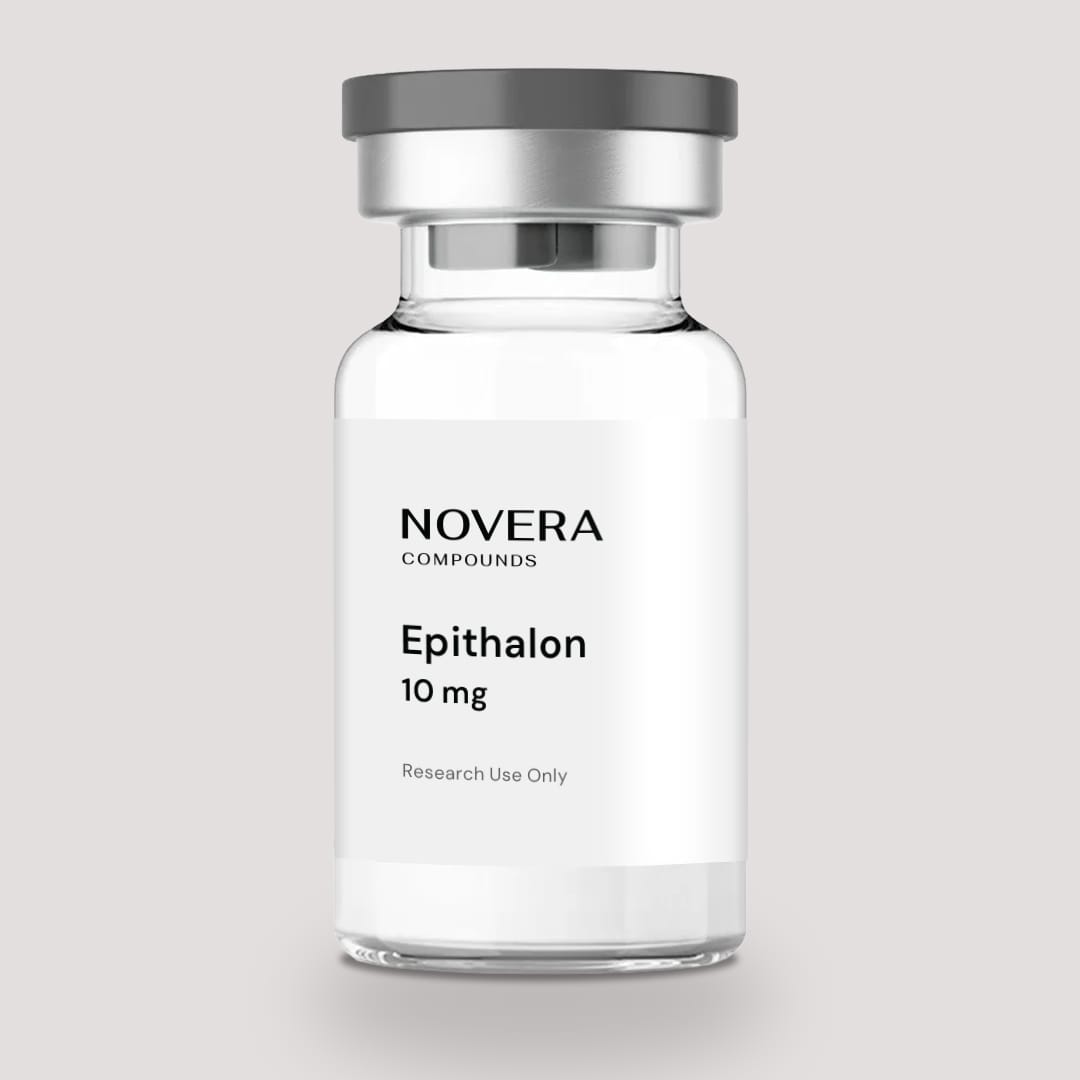
Epithalon
Epithalon | BorderFreeHealth
Price:
$49.99
Secure Encrypted Payments
Epithalon is a peptide-based therapy sometimes used in clinician-directed longevity and sleep-focused protocols. This page explains practical basics—what it is, common safety considerations, and how access works through BorderFreeHealth with US delivery from Canada. It also outlines cash-pay access for people managing prescriptions without insurance.
In some scientific and clinic settings, the same compound may be referenced as epitalon or an epithalamin peptide derivative. Because regulation and evidence can differ by country and pharmacy, the prescription label and the prescriber’s instructions are the best starting points for safe handling.
What Epithalon Is and How It Works
This medicine is a short synthetic peptide (a small chain of amino acids). It has been studied for potential effects on circadian rhythm (the 24-hour sleep-wake cycle) signaling and broader cellular pathways involved in aging biology. In lab and early clinical research, related peptides have been explored for effects on telomerase (an enzyme involved in telomere maintenance), oxidative stress pathways, and immune signaling, but these findings do not automatically translate to proven clinical outcomes for every person.
Prescriptions are verified with the original prescriber before dispensing.
On BorderFreeHealth, this product sits within broader peptide therapy listings such as the Peptides Category and curated collections like Longevity Peptides. For context on stress and aging biology, the resource Stress Accelerates Biological Aging can help frame why sleep and recovery are often discussed alongside cellular health.
Why it matters: Peptide therapies vary widely in evidence, so clear labeling and oversight support safer use.
Who It’s For
Epithalon is generally discussed in adult care settings where a clinician is monitoring sleep-wake disruption, recovery concerns, or longevity-oriented goals. Some prescribers may consider it when a patient is exploring peptide protocols alongside basics like sleep scheduling, exercise, and management of chronic conditions. It is not a first-line treatment for urgent symptoms, and it should not replace evaluation for insomnia, depression, sleep apnea, or other medical causes of fatigue.
Many clinics screen for situations where peptide therapy may be inappropriate. Common “not a fit” scenarios can include pregnancy or breastfeeding, pediatrics, a history of serious hypersensitivity reactions to similar products, or conditions where immune modulation could be risky. People with active malignancy or unexplained weight loss typically need careful medical assessment first. For broader background on aging-related concerns and how they’re evaluated, the Anti Aging Hub provides a starting point for browsing related topics.
Dosage and Usage
Epithalon dosing is not “one size fits all,” and the instructions on the prescription label should be followed exactly. In practice, peptide therapies may be prescribed as a time-limited course or as repeating cycles, with the route and schedule determined by the prescriber. Depending on how a pharmacy prepares the medication, administration may involve an injection technique or another method described on the label; appropriate training is important before the first dose.
Safe use usually centers on fundamentals: confirm the product name and concentration on the label, use the supplies recommended by the dispensing pharmacy, and follow aseptic (germ-reducing) steps if handling needles or vials. If a dose is missed, the next step should come from the prescriber rather than doubling up. People who are immunocompromised, or who have frequent infections, often benefit from extra caution and clear follow-up plans; related browseable collections include Immune Cellular Health.
Quick tip: Keep a simple log of dose date, lot number, and any new symptoms.
Strengths and Forms
Peptide products can be dispensed in different presentations, and availability may vary by pharmacy and jurisdiction. Some prescriptions are supplied as a lyophilized (freeze-dried) powder that is reconstituted (mixed) with a diluent before use, while others may be prepared in a ready-to-use format. The exact strength, total quantity, and beyond-use date should always be taken from the pharmacy label rather than assumptions or online protocols.
The checklist below can help confirm what you have in hand before starting a course:
| Label item | What to confirm |
|---|---|
| Name and form | Matches the prescription and directions |
| Strength/concentration | Units and total amount dispensed |
| Beyond-use date | Especially important after mixing |
| Storage statement | Room temperature vs refrigeration guidance |
| Administration directions | Route, timing, and handling notes |
If anything on the label is unclear, the safest next step is to contact the dispensing pharmacy or prescriber for clarification before taking a dose.
Storage and Travel Basics
Storage directions for peptide therapies can differ based on how they are compounded and whether they are mixed. Many require protection from heat and light, and some require refrigeration after preparation. Because stability depends on formulation, the storage statement on the label should be treated as the primary rule, including any “do not freeze” or “discard after” instructions.
Travel planning is mostly about maintaining the labeled temperature range and keeping documentation together. Carry the labeled container in a protective case, avoid leaving it in a hot car, and keep supplies organized to reduce contamination risk. If sleep disruption is part of the broader care plan, the guide Insomnia And Mental Health may help with non-medication steps that often accompany treatment plans.
For sharps (needles, syringes), use an appropriate disposal container and follow local disposal rules. If a vial, syringe, or stopper appears damaged or contaminated, it should not be used.
Side Effects and Safety
Epithalon may cause side effects that vary with dose, formulation, and individual sensitivity. With peptide injections, a common concern is localized reactions such as redness, tenderness, itching, or swelling. Some people report nonspecific effects like headache, lightheadedness, sleep changes, or gastrointestinal upset. Because symptoms can overlap with unrelated illnesses, documenting timing and severity can help a clinician determine whether the medication is a likely contributor.
Medications are dispensed by licensed Canadian partner pharmacies.
More serious problems are less common but require immediate attention. These can include signs of a severe allergy (hives, wheezing, facial swelling), fever with a spreading injection-site rash, or symptoms of infection. Any new chest pain, fainting, severe shortness of breath, or sudden neurologic symptoms should be treated as urgent regardless of suspected cause. General prevention steps—like sleep, activity, and routine screening—also matter; the resource Cancer Prevention Tips is a non-prescription guide that many people use alongside clinician care.
Drug Interactions and Cautions
Formal interaction studies for many peptide therapies are limited, so it is important to review the full medication list with the prescriber. That includes prescription drugs, over-the-counter products, vitamins, and herbal supplements. Particular caution may be needed when a regimen already includes hormones, immune-modifying therapies, or sedating medications, since overlapping effects can complicate monitoring even when no direct interaction is known.
Planned procedures can also matter. If surgery, dental work, or a new medication is being started, the care team should know about all peptides and injectables being used. People with chronic liver or kidney disease, complex endocrine disorders, or a history of severe allergies often need individualized risk-benefit review. When in doubt, the most reliable reference is the specific dispensing label and the prescriber who can interpret it in context.
Compare With Alternatives
When Epithalon is considered as part of a broader plan, clinicians may also discuss non-peptide approaches and other prescription options depending on the goal. For sleep-wake concerns, behavioral strategies (like CBT-I), screening for sleep apnea, and careful review of stimulants and alcohol often come first. If a peptide is being explored for sleep support, some patients see other options listed in the Sleep Regulation Peptides collection.
Other therapies on the site may be discussed in different contexts, such as DSIP Product for certain sleep-focused protocols or NAD Product in metabolic and energy-related discussions. These are not interchangeable medications, and they have different evidence bases and precautions. For browsing related peptide groups often mentioned in longevity clinics, the Anti Aging Peptides category provides a broader view.
Pricing and Access
Epithalon access on BorderFreeHealth is structured around prescription verification and cross-border fulfillment coordination. Coverage varies, and many people use a self-pay model, especially when a plan does not reimburse peptide therapies or when paying without insurance is simpler for their situation. Total costs can depend on the prescribed quantity, the dispensing pharmacy’s preparation, and any required supplies.
Ships from Canada to US is part of the service model for eligible prescriptions, with dispensing handled through Canadian partner pharmacies and documentation checks. Cash-pay options help when insurance coverage is unavailable.
If you are reviewing ways to manage out-of-pocket spending, the Promotions Page lists any standing site-wide programs. A prescription is still required where applicable, and the dispensing team may contact the prescriber to confirm details before release.
Authoritative Sources
Because peptide therapies can be compounded or prepared in different ways, it helps to rely on regulator and database references for high-level context. The links below are not a substitute for a prescription label, but they can clarify how oversight works and where to look up drug information.
- For FDA background on compounded products: FDA Compounding Q&A
- For Health Canada’s drug listing database: Drug Product Database (DPD)
- For biomedical literature searching: PubMed Search For Epithalon
If you are submitting a prescription request, upload the required documentation and select prompt, express shipping at checkout if appropriate.
This content is for informational purposes only and is not a substitute for professional medical advice.
Express Shipping - from $25.00
Shipping with this method takes 3-5 days
Prices:
- Dry-Packed Products $25.00
- Cold-Packed Products $35.00
Shipping Countries:
- United States (all contiguous states**)
- Worldwide (excludes some countries***)
Standard Shipping - $15.00
Shipping with this method takes 5-10 days
Prices:
- Dry-Packed Products $15.00
- Not available for Cold-Packed products
Shipping Countries:
- United States (all contiguous states**)
- Worldwide (excludes some countries***)
What is Epithalon and how is it described in peptide therapy?
Epithalon is a short synthetic peptide that is discussed in some clinician-directed peptide protocols, often in the context of sleep-wake regulation and longevity-focused care. It is sometimes referenced in scientific literature under related naming (for example, epitalon). Because peptide products may be prepared differently by different pharmacies and may be used off-label, the prescription label and prescriber instructions are the safest sources for what it is intended to do in a specific care plan.
Is Epithalon the same thing as epitalon?
In many articles and clinic discussions, “Epithalon” and “epitalon” are used to refer to the same tetrapeptide compound, but naming can vary by source, manufacturer, or translation. That said, products can differ in formulation, concentration, and preparation method across pharmacies. For safety, confirm the exact product name, strength, and directions on the dispensing label rather than relying on online protocol summaries. If there is any mismatch, a pharmacist or prescriber should clarify before use.
How is Epithalon typically supplied and administered?
Peptide prescriptions are often supplied in formats such as a vial or a prepared solution, depending on how the dispensing pharmacy compounds or prepares the medication. Some may require reconstitution (mixing) prior to use, while others may be ready to administer. Route and technique depend on the prescription directions; in many peptide regimens, patients are taught an injection method and safe sharps disposal. Administration details should come from the prescription label and clinician training, not generalized dosing charts.
What side effects should be monitored during treatment?
Monitoring focuses on both expected and concerning symptoms. With peptide therapies, common issues can include injection-site redness, swelling, itching, headache, or nonspecific fatigue. More serious warning signs include hives, wheezing, facial swelling, fever with a spreading rash, or signs of infection at an injection site (increasing pain, warmth, drainage). Any chest pain, fainting, severe shortness of breath, or sudden neurologic symptoms should be treated as urgent. Keeping a dated symptom log can help clinicians assess patterns.
Can Epithalon interact with other medications or supplements?
Definitive interaction data for many peptide therapies are limited, so the safest approach is to review all medicines and supplements with the prescriber. That includes prescriptions, over-the-counter products, herbs, and hormones. Caution is often advised when a regimen already includes immune-modifying therapies, sedating medicines, or complex endocrine treatments, because overlapping effects can complicate monitoring even without a proven direct interaction. If a new medication is started or a procedure is planned, the care team should be informed about all peptides in use.
What should I ask my clinician before starting a peptide therapy like Epithalon?
Helpful questions include: what is the goal of therapy, what evidence supports its use in your situation, and what alternatives should be considered first. Ask how to interpret the prescription label (strength, route, timing), what side effects require stopping and seeking care, and whether any baseline or follow-up monitoring is recommended. It is also reasonable to ask about storage requirements, travel handling, and safe disposal of sharps. Finally, review all current medications and supplements to reduce avoidable risks.
Rewards Program
Earn points on birthdays, product orders, reviews, friend referrals, and more! Enjoy your medication at unparalleled discounts while reaping rewards for every step you take with us.
You can read more about rewards here.
POINT VALUE
How to earn points
- 1Create an account and start earning.
- 2Earn points every time you shop or perform certain actions.
- 3Redeem points for exclusive discounts.
How to book an appointment
- 1Create Begin by completing a profile or log into your existing account. This step ensures we have the necessary information to provide you with a service that's tailored to your needs. account and start earning.
- 2Scheduling an appointment with our online booking system is easy. Pick a day and time that suits you. You’ll receive an immediate confirmation, without the wait.
- 3Discuss your concerns and symptoms and receive a thorough diagnosis from one of our licensed doctors during a confidential video appointment.
- 4If you've been prescribed medication, your Rx is sent directly to one of our licensed pharmacies and delivered right to your door.
Get Started
To book an online doctor appointment, register for an account or login. After doing so, you can book your visit on this page.