
Please note: a valid prescription is required for all prescription medication.
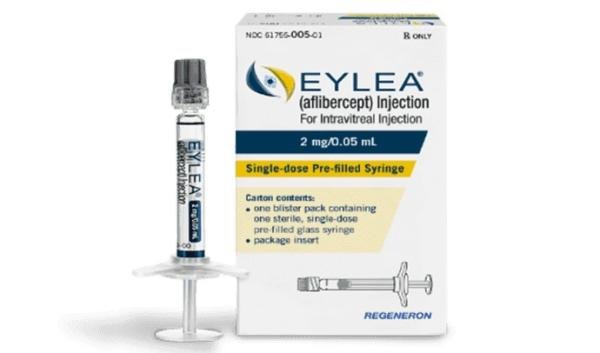
Eylea
Buy Eylea Online
Secure Encrypted Payments
Eylea is aflibercept, an anti-VEGF medicine injected into the eye by a retina specialist to treat certain retinal diseases. You can buy Eylea and choose the dose or strength shown during ordering, then match it to the treatment plan provided by your eye-care team. The medication is supplied through licensed pharmacies, with US delivery from Canada available for appropriate clinic use.
Eylea Price, Strength Selection, and Ordering
Eylea price can vary by strength, presentation, quantity, and pharmacy supply. During ordering, review the current cost for the dose your clinic intends to use, such as commonly supplied 2 mg or 8 mg single-dose units when shown. If your retina practice has a preference for a vial or prefilled syringe, confirm that workflow before purchase so the medicine can be handled correctly at the appointment.
Self-pay patients often look at Eylea cost Canada comparisons because intravitreal medicines may be expensive when paid out of pocket. Budgeting should include the medication and any separate clinic fees for imaging, preparation, injection, pressure checks, or follow-up visits. Ask the clinic how far ahead the medicine should arrive and whether staff will accept, store, and administer a patient-supplied unit.
Quick tip: Keep the product name, strength, and clinic appointment date together when planning an order.
What Eylea Treats
Eylea injection is used for retinal conditions where abnormal VEGF activity can drive leakage, swelling, or fragile blood vessel growth. VEGF means vascular endothelial growth factor, a signaling protein involved in blood vessel formation and fluid leakage. By blocking VEGF-A and placental growth factor, aflibercept can help reduce fluid in or under the macula, the central area of the retina responsible for detailed vision.
Approved use contexts include neovascular, or wet, age-related macular degeneration; diabetic macular edema; diabetic retinopathy; and macular edema following retinal vein occlusion. These conditions are different, but each can involve retinal swelling or abnormal blood vessels that threaten central vision. If your diagnosis involves wet AMD, the condition background on Wet Age Related Macular Degeneration may help you prepare practical questions for a retina visit.
People with diabetes-related retinal swelling may receive anti-VEGF therapy when imaging shows fluid affecting the macula. The Diabetic Macular Edema section explains how diabetes can affect the center of the retina. For swelling after a vein blockage in the retina, see Macular Edema From Retinal Vein Occlusion for condition-specific context.
How the Intravitreal Injection Is Given
Eylea intravitreal injection is not self-administered. A trained eye specialist prepares the eye under sterile conditions, uses numbing medicine, cleans the surface with antiseptic, and places a small-volume dose into the vitreous cavity. The visit may also include vision testing, optical coherence tomography imaging, and an eye pressure check.
The injection itself is usually brief, but the appointment includes safety preparation and aftercare instructions. Many people are told not to rub the eye right after treatment and to call the clinic if pain, worsening redness, new floaters, light sensitivity, or reduced vision develops. These symptoms can be important because any injection into the eye carries infection and inflammation risks.
How many Eylea shots are needed depends on the condition, retinal imaging, vision findings, and response over time. Many treatment plans start with frequent injections and then move to longer intervals if the retina remains stable. Do not skip or stretch visits on your own; the interval is usually adjusted using exam findings rather than symptoms alone.
Strengths, Forms, and Clinic Workflow
Eylea is supplied as single-use presentations for intravitreal administration. Common presentations referenced in clinical use include 2 mg and 8 mg single-dose units, and some markets may offer a vial or prefilled syringe. Packaging and labeling can differ by country, so the clinic should follow the carton, label, and its internal sterile procedure.
Eylea 2 mg injection is a widely recognized aflibercept strength. Eylea 8 mg, sometimes discussed as high-dose aflibercept, may be selected for certain patients when the clinician’s treatment plan supports it. The higher-dose presentation does not mean every patient should receive it; the right strength depends on indication, response, safety considerations, and the retina specialist’s judgment.
| Ordering detail | Why it matters |
|---|---|
| Strength | Must match the clinic’s intended dose and treatment plan. |
| Presentation | Some clinics prefer a vial, while others may use a prefilled syringe. |
| Appointment date | Timing helps reduce storage concerns and missed-treatment delays. |
| Clinic acceptance | The office should agree to receive, store, and administer the unit. |
Storage, Handling, and Delivery Planning
Eylea is a clinic-administered ophthalmic injection that requires careful handling before use. Pharmacy stock is typically kept refrigerated in the original carton and protected from light. It should not be frozen or shaken. If you are transporting the carton to an appointment, keep it protected and follow the temperature instructions given with the medicine and by the clinic.
US shipping from Canada may involve temperature-conscious handling when required, including prompt, express shipping. Coordinate the order with the appointment so the clinic has enough time to receive and inspect the medicine. If travel is involved, carry documentation, keep the carton in its original packaging, and avoid leaving the medicine in a car, checked bag, or other uncontrolled environment.
Single-dose units are used once and then discarded according to clinic procedure. The clinic prepares the dose with sterile equipment and monitors the eye after administration. For broader eye-treatment browsing, the Ophthalmology category can help place Eylea among other eye-care products.
Benefits and Treatment Expectations
Eylea medication targets a pathway that contributes to retinal leakage and abnormal blood vessel growth. In many patients, anti-VEGF treatment can reduce retinal fluid and help maintain central vision. Some patients may notice clearer vision after swelling improves, while others mainly benefit from stabilization and reduced risk of further decline.
How long you can get Eylea injections is an individualized decision. Retina diseases such as wet AMD or diabetic macular edema are often chronic, and treatment may continue as long as the benefit-risk balance remains favorable. Your clinic may extend, shorten, pause, or restart intervals based on imaging and vision changes.
Results are not judged by one visit alone. Optical coherence tomography helps show whether fluid is improving, recurring, or staying controlled. Keeping scheduled appointments gives the care team a better chance to identify recurrence early and adjust the plan before vision changes become more noticeable.
Side Effects, Warnings, and Monitoring
Common side effects after Eylea ophthalmic injection can include eye discomfort, redness, conjunctival hemorrhage, floaters, increased tears, or a temporary rise in eye pressure. Some people notice mild irritation from antiseptic preparation. These effects are usually monitored by the clinic, but any symptom that worsens or feels unusual should be reported promptly.
Serious but less common risks include endophthalmitis, retinal detachment, retinal tear, severe intraocular inflammation, and arterial thromboembolic events. Endophthalmitis is a rare but dangerous infection inside the eye. Warning symptoms can include increasing pain, worsening redness, light sensitivity, sudden floaters, discharge, or decreased vision after an injection.
Eylea should not be used in an eye with active ocular infection or significant active inflammation. People with glaucoma or prior pressure problems may need closer intraocular pressure monitoring around the procedure. Tell the eye-care team about recent stroke, major cardiovascular disease, severe uncontrolled blood pressure, pregnancy, or breastfeeding so risks can be considered before treatment.
Systemic drug interactions are limited because the medicine is injected locally into the eye, but the anti-VEGF class still requires careful clinical judgment. Using more than one intravitreal anti-VEGF agent in the same eye at the same time is generally avoided unless a specialist has a specific plan. Contact lenses are typically removed before the procedure and reinserted later only when the clinic says it is safe.
Missed Appointments and Ongoing Treatment
If an Eylea appointment is missed, contact the clinic as soon as possible to reschedule. The retina can become wet again even before vision symptoms are obvious, so the next visit may include imaging to decide whether the original schedule still fits. Do not try to replace a missed visit with home treatment or another eye medicine.
The number of injections varies widely. Some patients receive a loading phase with monthly visits, followed by every-8-week treatment or a longer individualized interval. Others need closer monitoring if fluid returns, vision changes, or the condition is newly active. The goal is usually to control leakage while avoiding unnecessary treatment burden.
Why it matters: Retinal imaging can show disease activity before you feel a major vision change.
Related Anti-VEGF Choices and Eye-Care Context
Retina specialists may consider alternatives when response, visit frequency, safety history, clinic workflow, or payer considerations make a change reasonable. Eylea is one anti-VEGF option, but it is not the only medicine used for retinal leakage. Switching should be directed by the treating specialist because each drug has its own labeled uses, dosing patterns, and safety profile.
Two related anti-VEGF products sometimes discussed in retinal care are ranibizumab and brolucizumab. If your clinician raises those options, product-specific information for Lucentis Vial and Beovu Pre-Filled Syringe can help you understand how nearby treatments are packaged and discussed. Those products should not be substituted for Eylea unless the specialist changes the treatment plan.
People managing other eye conditions may also use drops, pressure-lowering medicines, or supportive therapies that are separate from anti-VEGF injections. Ophthalmology articles in the Ophthalmology articles section can provide broader eye-care education, but retinal injection decisions should stay anchored to exam findings and specialist guidance.
Questions to Ask the Retina Clinic
- Which diagnosis is being treated, and what did the latest imaging show?
- Which strength and presentation should be supplied for the next visit?
- Will the clinic accept and store a patient-supplied unit before treatment?
- How often are injections planned during the first phase?
- What findings would allow a longer interval between injections?
- Which symptoms after the injection require urgent contact?
- When would another anti-VEGF medicine be considered?
Authoritative Sources
Official prescribing information
European Medicines Agency medicine record
This content is for informational purposes only and is not a substitute for professional medical advice.
Express Shipping - from $29.99
Shipping with this method takes 3-5 days
Prices:
- Dry-Packed Products $29.99
- Cold-Packed Products $39.99
Shipping Countries:
- United States (all contiguous states**)
- Worldwide (excludes some countries***)
Standard Shipping - $19.99
Shipping with this method takes 5-10 days
Prices:
- Dry-Packed Products $19.99
- Not available for Cold-Packed products
Shipping Countries:
- United States (all contiguous states**)
- Worldwide (excludes some countries***)
What does Eylea do for the eyes?
Eylea blocks VEGF-related signaling that can cause abnormal blood vessel growth and fluid leakage in the retina. By reducing leakage and swelling, it may help stabilize or improve central vision in conditions such as wet AMD, diabetic macular edema, diabetic retinopathy, and macular edema after retinal vein occlusion.
How many Eylea injections are usually needed?
The number of injections depends on the diagnosis, retinal imaging, vision findings, and response. Many plans begin with frequent injections and then move to longer intervals if the retina stays stable. Your retina specialist should set and adjust the schedule.
How long can someone stay on Eylea treatment?
Some retinal diseases are chronic, so treatment may continue for months or years when benefits outweigh risks. The clinic usually reassesses the plan with eye exams and imaging, then decides whether to continue, extend intervals, pause, or change therapy.
What are common side effects after an Eylea injection?
Common effects may include eye discomfort, redness, small surface bleeding, floaters, irritation, tearing, or a temporary rise in eye pressure. Contact the clinic urgently for worsening pain, increasing redness, light sensitivity, sudden floaters, discharge, or decreased vision.
Is Eylea 8 mg the same as Eylea 2 mg?
Both contain aflibercept, but they are different strengths and may be used in different treatment plans. The correct strength depends on the condition being treated, eye findings, response, and the retina specialist’s instructions.
Can Eylea be injected at home?
No. Eylea is an intravitreal injection that must be given by a trained eye-care professional using sterile technique. The clinic also monitors for pressure changes, inflammation, infection symptoms, and treatment response.
Rewards Program
Earn points on birthdays, product orders, reviews, friend referrals, and more! Enjoy your medication at unparalleled discounts while reaping rewards for every step you take with us.
You can read more about rewards here.
POINT VALUE
How to earn points
- 1Create an account and start earning.
- 2Earn points every time you shop or perform certain actions.
- 3Redeem points for exclusive discounts.
You Might Also Like
Select options
This product has multiple variants. The options may be chosen on the product page
Select options
This product has multiple variants. The options may be chosen on the product page
Select options
This product has multiple variants. The options may be chosen on the product page
Select options
This product has multiple variants. The options may be chosen on the product page