
Please note: a valid prescription is required for all prescription medication.
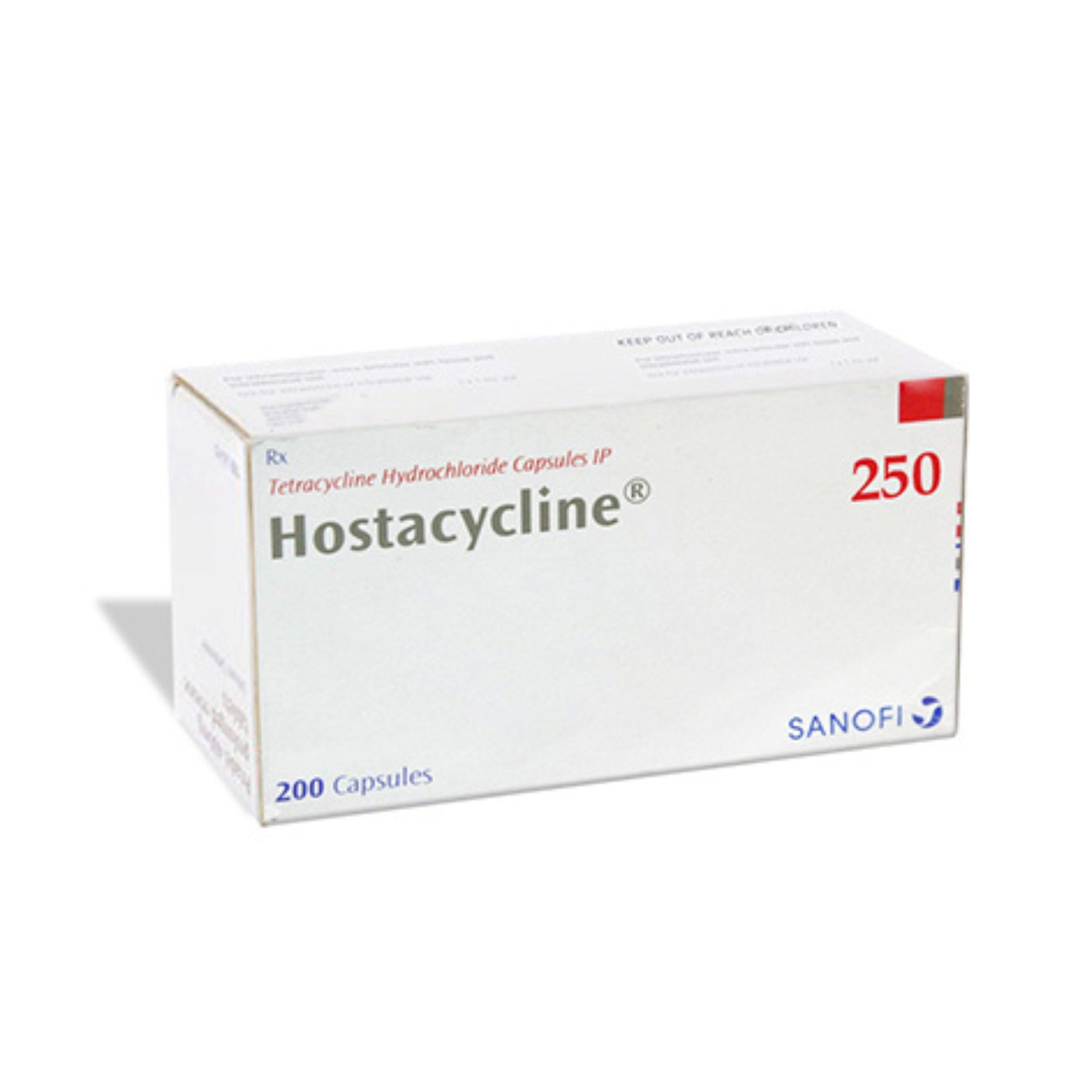
Hostacycline
Buy Hostacycline Online
Secure Encrypted Payments
Hostacycline is a tetracycline-class antibiotic used for susceptible bacterial infections and, in some care plans, acne. It can be ordered online, with current price details shown during checkout and dose or strength choices matched to your clinician’s directions. BorderFreeHealth offers US delivery from Canada through licensed pharmacies, with order details reviewed before the medicine is supplied.
Price, Strength, and Ordering Details
Hostacycline pricing can vary by strength, quantity, manufacturer supply, and sourcing route. During ordering, choose the dose or strength shown for the product and make sure it matches the directions from your healthcare professional. If you are paying without insurance, the cash price can help you plan the full out-of-pocket cost before you proceed.
Commonly referenced Hostacycline presentations include 250 mg and 500 mg capsule strengths, although availability can vary by manufacturer and country. Do not change from one strength to another unless your clinician has told you how to take it. Antibiotic treatment depends on the infection being treated, the suspected organism, and whether the bacteria are expected to respond.
People often compare Hostacycline Canadian pricing with local pharmacy costs when they need a practical cash-pay route. For broader infection-related product browsing, the Infectious Disease category can help you see related therapies that may be discussed with a clinician. If a different antibiotic is suggested, make sure the choice fits your diagnosis rather than only the price.
What Hostacycline Treats
Hostacycline antibiotic capsules are used for infections caused by bacteria that are susceptible to tetracycline. This class has been used for certain respiratory, skin, soft-tissue, intestinal, urinary, and urogenital infections, as well as acne in selected patients. It does not treat viral illnesses such as colds, flu, or most sore throats.
The best use depends on the likely pathogen and local resistance patterns. A clinician may use symptoms, exam findings, culture results, or other tests to decide whether a tetracycline-class medicine is appropriate. If your symptoms are severe, spreading, or accompanied by fever, do not rely on an online order to replace timely medical assessment.
Hostacycline may be considered in acne care when an oral antibiotic is part of a broader plan. Acne treatment often works best when antibiotics are combined with skin care and non-antibiotic treatments that reduce future flares. For condition background, see the Acne condition section.
How the Antibiotic Works
Tetracycline medicines work by interfering with bacterial protein production. They bind to the bacterial 30S ribosomal subunit, which helps stop bacteria from growing and multiplying. This gives the immune system a better chance to clear the infection.
This action is considered bacteriostatic, meaning it mainly stops bacterial growth rather than directly killing bacteria in the way some other antibiotics do. That distinction can matter when clinicians choose treatment for serious infections, mixed infections, or infections in people with weakened immune systems. The right antibiotic is always tied to the organism and the patient’s overall health.
Resistance is an important concern with all antibiotics. Taking Hostacycline for the wrong condition, stopping early, or using leftover medicine can make future infections harder to treat. Use the medicine only for the condition it was chosen for, and keep the dosing schedule consistent.
How to Take Hostacycline Safely
Follow the directions provided with your medicine and the plan from your healthcare professional. Take each dose with a full glass of water. To reduce the chance of throat or esophageal irritation, stay upright and avoid lying down for at least 30 minutes after taking it.
Some tetracycline products absorb best when taken away from food, while product-specific instructions can differ. Follow the label that comes with your supply. If stomach upset occurs, ask a clinician or pharmacist whether a food-adjusted schedule is appropriate for your situation.
Do not take Hostacycline at the same time as antacids, iron, zinc, magnesium, aluminum, calcium supplements, or bismuth subsalicylate unless a healthcare professional has given you specific spacing instructions. Dairy products can also reduce absorption for tetracycline-class medicines. Separating these products by several hours is commonly advised, but your label should guide the exact timing.
Quick tip: Keep a written schedule for doses, meals, and supplements so spacing is easier to follow.
Missed Dose, Treatment Course, and Response Time
If you miss a dose, take it when you remember unless it is close to the next scheduled dose. If the next dose is near, skip the missed dose and return to the usual schedule. Do not take two doses together to make up for a missed one.
Symptoms may begin to improve after consistent use, but the timing varies by infection type, severity, bacterial susceptibility, and your overall health. Acne improvement usually takes longer than treatment of an acute infection and may require additional topical or non-antibiotic therapies. Contact a healthcare professional if symptoms worsen, return quickly, or do not improve as expected.
Finish the full course unless a clinician tells you to stop. Stopping early can leave bacteria behind and increase the risk of relapse or resistance. If side effects make it difficult to continue, ask for guidance rather than adjusting the plan on your own.
Side Effects, Warnings, and Monitoring
Common side effects can include nausea, vomiting, diarrhea, abdominal discomfort, loss of appetite, headache, dizziness, and increased sensitivity to sunlight. Esophageal irritation or ulceration can occur if the medicine is taken with too little water or right before lying down. Sun protection matters because tetracycline-class antibiotics can make sunburn more likely.
- Use sunscreen and protective clothing during treatment.
- Avoid tanning beds while taking this antibiotic.
- Report severe or persistent diarrhea, especially if it is watery or bloody.
- Seek care for severe rash, facial swelling, wheezing, or trouble breathing.
- Contact a clinician for persistent headache, blurred vision, or vision changes.
Serious but less common risks include severe allergic reactions, liver problems, blood abnormalities, intracranial hypertension, and severe skin reactions. Intracranial hypertension means increased pressure around the brain; warning signs can include persistent headache, nausea, vomiting, or vision symptoms. People with a history of this condition should make sure their clinician knows before using a tetracycline-class medicine.
Tetracyclines can affect developing teeth and bones. They are generally avoided in children under 8 years old and during pregnancy unless a clinician decides there is a compelling reason. Breastfeeding, kidney disease, liver disease, and a history of serious antibiotic reactions also deserve careful medical review before treatment.
Drug Interactions and Practical Cautions
Several products can interfere with Hostacycline absorption. Antacids, mineral supplements, bismuth products, and some dairy intake can bind tetracycline in the digestive tract, lowering how much medicine reaches the bloodstream. This can reduce effectiveness even when the dose was taken on time.
Oral retinoids such as isotretinoin may increase the risk of intracranial hypertension when combined with tetracycline-class antibiotics. Warfarin and other anticoagulants may require closer monitoring because antibiotics can affect bleeding risk. Penicillin-class antibiotics may not be ideal to combine with tetracyclines in some situations because their antibacterial actions can conflict.
Tell your healthcare professional about all medicines, vitamins, and herbal products you use. Include acne treatments, supplements, heart medicines, seizure medicines, and blood thinners. If you start a new medicine while taking Hostacycline, ask whether spacing, monitoring, or an alternative is needed.
Storage, Travel, and Handling
Store Hostacycline at room temperature in a dry place, away from heat, direct light, and moisture. Keep it in the original container with the label intact. Do not store it in a bathroom cabinet if humidity is high.
Do not use expired tetracycline-class antibiotics. Outdated tetracycline products have historically raised safety concerns, so expired medicine should be discarded safely rather than saved for later. Keep all antibiotics out of reach of children and pets.
For travel, keep the medicine in carry-on luggage and maintain your dosing schedule as closely as practical. Bring the labeled container so the medicine can be identified if needed. If your trip crosses time zones, ask a pharmacist or clinician how to space doses without taking them too close together.
When Hostacycline May Not Be the Right Choice
Hostacycline is not appropriate for every infection. Some bacteria are resistant to tetracycline, and some conditions need a different antibiotic class. Severe infections, rapidly spreading skin infections, suspected bloodstream infections, or infections in high-risk patients may require urgent evaluation and a different treatment plan.
People who are pregnant, planning pregnancy, breastfeeding, or caring for a child under 8 should discuss safer alternatives. Those with significant liver or kidney disease may need extra caution, monitoring, or another medicine. A past severe reaction to tetracycline, doxycycline, minocycline, or related antibiotics should be treated as important safety information.
For more background on bacterial illness and treatment decisions, the Bacterial Infection section explains common infection considerations. Educational articles in the Infectious Disease articles area can also help you prepare questions for a healthcare visit.
How It Compares With Other Tetracyclines
Hostacycline contains tetracycline, while doxycycline, minocycline, and omadacycline are different medicines in the same broad antibiotic family. They are not interchangeable without clinical guidance. Each has different dosing patterns, absorption considerations, side effect profiles, and typical uses.
Doxycycline is commonly used for acne, certain respiratory infections, tick-borne infections, and some sexually transmitted infections. Minocycline is often associated with acne treatment but has its own safety concerns, including dizziness, pigmentation changes, and rare immune reactions. Omadacycline is a newer tetracycline-class antibiotic used for specific bacterial infections, including certain community-acquired pneumonia and skin structure infections, when clinically appropriate.
A clinician may choose one tetracycline over another because of the suspected organism, culture results, allergies, kidney or liver considerations, pregnancy status, drug interactions, and local resistance. If Hostacycline is not the best fit, an alternative should be selected for medical reasons first and cost second.
Questions to Ask Before Starting
Good antibiotic use starts with a clear reason for treatment. Ask what infection is being treated, whether testing is needed, and how soon improvement should be expected. If Hostacycline is being used for acne, ask how long the antibiotic phase should last and what non-antibiotic maintenance plan will follow.
- Is tetracycline appropriate for my infection or acne pattern?
- Should I take it away from meals, dairy, or supplements?
- What side effects should make me stop and seek care?
- How should I protect my skin from sun sensitivity?
- What should I do if symptoms do not improve?
- Are there safer choices if I am pregnant or breastfeeding?
Clear answers help you use the medicine safely and avoid unnecessary repeat courses. They also make it easier to plan refills, travel, and cash-pay spending without interrupting therapy.
Authoritative Sources
FDA DailyMed drug label database
FDA information on antibiotic resistance
This content is for informational purposes only and is not a substitute for professional medical advice.
Express Shipping - from $29.99
Shipping with this method takes 3-5 days
Prices:
- Dry-Packed Products $29.99
- Cold-Packed Products $39.99
Shipping Countries:
- United States (all contiguous states**)
- Worldwide (excludes some countries***)
Standard Shipping - $19.99
Shipping with this method takes 5-10 days
Prices:
- Dry-Packed Products $19.99
- Not available for Cold-Packed products
Shipping Countries:
- United States (all contiguous states**)
- Worldwide (excludes some countries***)
What is Hostacycline used for?
Hostacycline is a tetracycline-class antibiotic used for susceptible bacterial infections. It may also be used in selected acne care plans. It does not treat viral infections such as colds or flu.
Can I buy Hostacycline 500 mg capsules online?
Hostacycline can be ordered online when the strength shown during ordering matches the directions from your healthcare professional. Commonly referenced strengths include 250 mg and 500 mg capsules, but supply can vary by manufacturer and country.
How should Hostacycline be taken with food or supplements?
Follow the label provided with your medicine. Tetracycline absorption can be reduced by antacids, iron, zinc, magnesium, aluminum, calcium, bismuth products, and dairy, so these are usually spaced away from doses.
What side effects can Hostacycline cause?
Common side effects can include nausea, vomiting, diarrhea, abdominal discomfort, headache, dizziness, and sun sensitivity. Seek medical help for severe rash, breathing trouble, severe diarrhea, vision changes, or persistent headache.
How is Hostacycline different from doxycycline or minocycline?
Hostacycline contains tetracycline, while doxycycline and minocycline are related but different antibiotics. They are not direct substitutes unless a clinician decides the alternative fits the infection, safety profile, and other medicines you take.
Rewards Program
Earn points on birthdays, product orders, reviews, friend referrals, and more! Enjoy your medication at unparalleled discounts while reaping rewards for every step you take with us.
You can read more about rewards here.
POINT VALUE
How to earn points
- 1Create an account and start earning.
- 2Earn points every time you shop or perform certain actions.
- 3Redeem points for exclusive discounts.
You Might Also Like
Select options
This product has multiple variants. The options may be chosen on the product page
Select options
This product has multiple variants. The options may be chosen on the product page
Select options
This product has multiple variants. The options may be chosen on the product page
Select options
This product has multiple variants. The options may be chosen on the product page