
Please note: a valid prescription is required for all prescription medication.
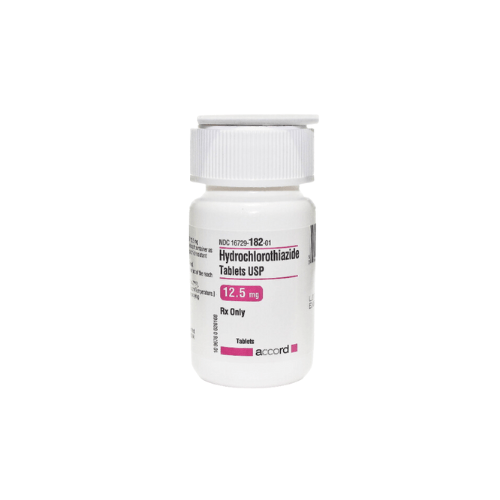
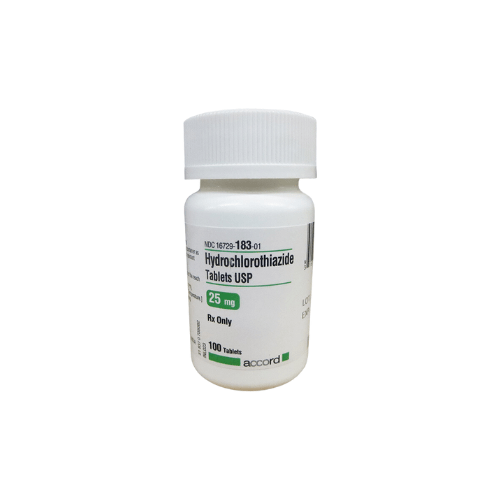
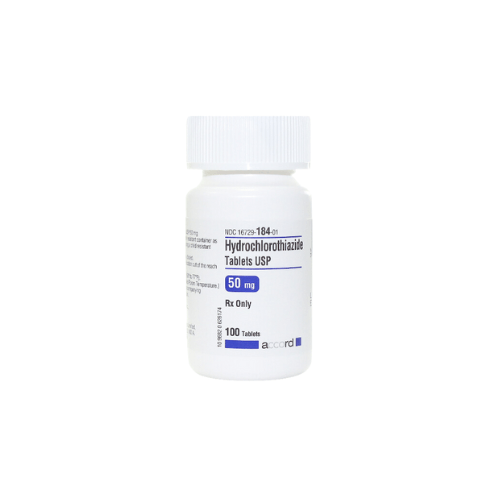
Hydrochlorothiazide
Buy Hydrochlorothiazide Online
Secure Encrypted Payments
Hydrochlorothiazide is a thiazide diuretic used to help lower high blood pressure and reduce swelling from fluid buildup. It can be bought online with US shipping from Canada, and you can choose the available dose or strength that matches your clinician’s directions. This medicine helps the kidneys remove extra salt and water, which can reduce fluid pressure in the blood vessels and tissues.
Price, Strengths, and Ordering Basics
Hydrochlorothiazide price can vary by strength, quantity, manufacturer, and pharmacy supply. During ordering, review the current cash price, choose the dose shown for this product, and match the quantity to the directions from your clinician. If you pay without insurance, checking the per-tablet cost across available quantities may help you plan refills more predictably.
Common hydrochlorothiazide strengths include hydrochlorothiazide 12.5 mg, hydrochlorothiazide 25 mg, and hydrochlorothiazide 50 mg tablets. Some suppliers may also carry 12.5 mg capsules. Availability can differ by source, so the strength displayed at checkout should guide your selection rather than assumptions from an older bottle or medication list.
Quick tip: Keep your bottle label nearby when selecting strength, quantity, and directions.
Hydrochlorothiazide Canadian pricing may be useful for people comparing cash-pay costs. Products are supplied through licensed pharmacies, and order details may be reviewed before the medicine is prepared for shipment. For condition-based browsing, the hypertension and edema categories can help you find related treatments used in similar care plans.
What Hydrochlorothiazide Treats
Hydrochlorothiazide is used for hypertension, which means high blood pressure. It is also used for edema, the swelling caused by excess fluid in body tissues. Edema may occur with heart failure, liver disease, kidney conditions, corticosteroid therapy, estrogen therapy, or other medical situations that affect fluid balance.
For blood pressure, hydrochlorothiazide may be used alone or with other medicines when one medicine is not enough. Lowering blood pressure can reduce the risk of serious cardiovascular events when treatment is part of a broader plan that may include diet, activity, sodium reduction, and other medicines chosen by a clinician.
For swelling, the medicine increases urine output so the body can remove extra water and sodium. People often notice more urination early in treatment, especially after the first few doses or after dose changes. Taking the medicine earlier in the day may reduce nighttime bathroom trips, if that timing fits the directions you were given.
How This Water Pill Works
Hydrochlorothiazide is often called HCTZ or a water pill. It works in the distal tubules of the kidneys, where it reduces sodium reabsorption. More sodium and water then leave the body through urine, which can lower fluid volume and ease pressure inside blood vessels.
The blood pressure effect can build gradually with steady use. Some people see early changes in home readings, while full benefit may take longer. Home blood pressure tracking can be useful when your clinician asks for it, but readings should be taken with a properly sized cuff and a consistent routine.
This medicine does not treat every cause of swelling or every type of high blood pressure by itself. Sudden swelling, chest pain, severe shortness of breath, fainting, or one-sided leg swelling needs urgent medical attention rather than routine dose timing decisions.
Dose Timing and Daily Use
Follow the directions on your medication label. Many people take hydrochlorothiazide once daily in the morning, although some edema regimens may use different timing. Avoid changing from hydrochlorothiazide 25 mg to 12.5 mg HCTZ, or from 25 mg to 50 mg, unless a clinician has directed that change.
Hydrochlorothiazide can be taken with or without food. Swallow tablets or capsules with water. If stomach upset occurs, taking the dose with food may help, as long as it does not conflict with your label directions. Alcohol may worsen dizziness or lightheadedness, especially when standing.
If you miss a dose, take it when remembered on the same day unless it is close to the next dose. Do not double the next dose to catch up. A reminder alarm, calendar note, or weekly routine can reduce missed doses without adding complexity.
Ask your clinician how much fluid is right for you. Drinking enough water helps prevent dehydration, but some people with heart, kidney, or liver conditions may have fluid limits. Extreme thirst, very dry mouth, confusion, fainting, or minimal urination can be signs that fluid balance needs prompt medical review.
Storage, Travel, and Shipping
Store hydrochlorothiazide at room temperature in a dry place away from excess heat, moisture, and direct light. Keep the container tightly closed and out of reach of children and pets. Bathrooms and cars are poor storage places because humidity and temperature can change quickly.
When traveling, keep the medicine in the original labeled container. Pack enough for the trip plus extra days in case plans change. Carry the medicine with you when flying rather than placing it in checked baggage, where temperatures and handling may be less predictable.
Orders may be prepared with prompt, express shipping. Delivery planning is especially important if you are close to running out, because daily medicines work best when taken consistently. Set refill reminders before the bottle is nearly empty.
Side Effects, Warnings, and Monitoring
The most common side effect is increased urination, particularly when starting treatment or after a dose adjustment. Other common effects can include dizziness, lightheadedness, headache, weakness, upset stomach, photosensitivity, or rash. Standing up slowly can reduce dizziness caused by a drop in blood pressure when changing positions.
Hydrochlorothiazide can change electrolyte levels. Low potassium, low sodium, high calcium, increased uric acid, and changes in kidney function may occur. Lab monitoring may include potassium, sodium, creatinine, uric acid, and sometimes blood glucose, especially in people with diabetes, kidney concerns, gout, or heart rhythm risks.
Serious reactions are uncommon but need quick care. Seek urgent help for severe rash, blistering skin, yellowing of the skin or eyes, severe abdominal pain, fainting, confusion, severe weakness, or signs of dehydration. Sudden eye pain or vision changes may signal acute angle-closure glaucoma, a rare but serious eye reaction reported with sulfonamide-derived medicines.
Recent labeling and safety discussions have also highlighted skin cancer risk with long-term hydrochlorothiazide exposure in some populations, especially non-melanoma skin cancer. This does not mean everyone should stop treatment. It does mean sun protection, skin checks, and reporting changing lesions are sensible steps to discuss with a healthcare professional.
People with anuria should not use hydrochlorothiazide. Extra caution may be needed with severe kidney disease, severe liver disease, gout, lupus, diabetes, sulfonamide allergy history, electrolyte imbalance, or a history of photosensitivity. Pregnancy and breastfeeding questions should be handled with a clinician because thiazide diuretics can cross the placenta and may enter breast milk.
Interactions to Review
Several medicines and supplements can affect how hydrochlorothiazide works or how safely it is tolerated. Lithium levels may rise and become toxic when used with thiazide diuretics. Nonsteroidal anti-inflammatory drugs, such as ibuprofen or naproxen, may reduce blood pressure response and can affect kidney function in susceptible people.
Corticosteroids, ACTH, some laxatives, and certain amphotericin products may increase the risk of low potassium. Digoxin and some heart rhythm medicines can become riskier if potassium falls. Other blood pressure medicines may add to the blood-pressure-lowering effect, which can increase dizziness or fainting risk.
Cholestyramine and colestipol can reduce hydrochlorothiazide absorption. Timing separation may be needed if those medicines are part of your routine. Tell your clinician about potassium, magnesium, salt substitutes, herbal products, and over-the-counter medicines so monitoring can match your full regimen.
Combination Medicines and Related Choices
Hydrochlorothiazide is often paired with other cardiovascular medicines when blood pressure goals require more than one mechanism. Some combinations include ACE inhibitors, ARBs, beta blockers, calcium channel blockers, or potassium-sparing diuretics. Examples people may recognize include lisinopril hydrochlorothiazide, valsartan hydrochlorothiazide, telmisartan hydrochlorothiazide, enalapril hydrochlorothiazide, metoprolol hydrochlorothiazide, and amlodipine valsartan hydrochlorothiazide.
Combination tablets can simplify a regimen, but they also make each ingredient harder to adjust independently. A separate hydrochlorothiazide pill may be useful when a clinician wants more control over the water-pill dose. A combination may be preferred when stable doses are already established and fewer daily tablets improves adherence.
For broader browsing, the cardiovascular category includes medicines used for blood pressure, heart, and fluid-related care. The cardiovascular articles section can also help you prepare questions about blood pressure goals, home readings, and long-term risk reduction.
What to Expect Over Time
Blood pressure improvement may be gradual. Consistent daily use, home readings when recommended, and follow-up lab work help show whether the medicine is working safely. Bring your blood pressure log and cuff to appointments if your clinician wants to confirm technique and device accuracy.
Swelling may improve as fluid balance changes. Daily weight checks may be recommended for some heart failure or edema plans because sudden weight gain can reflect fluid retention. Do not use weight changes alone to adjust medication without medical direction.
Hydrochlorothiazide can sometimes affect glucose or uric acid. People with diabetes may be asked to watch blood sugar trends, while people with gout should report flare symptoms. If dizziness, muscle cramps, unusual fatigue, or palpitations develop, ask whether electrolytes or kidney function should be checked.
Questions to Ask Your Clinician
- Which hydrochlorothiazide strength should I take, and when?
- Should I take it every day or only on certain days for edema?
- How often should potassium, sodium, and kidney function be checked?
- Do I need a potassium plan through food, supplements, or medication changes?
- How much water should I drink with my heart, kidney, or liver history?
- What blood pressure goal is appropriate for me?
- Should I monitor for gout, glucose changes, or sun sensitivity?
- Would a combination tablet simplify my routine, or should HCTZ stay separate?
Authoritative Sources
For official and medically reviewed information, consult these sources and discuss individual decisions with a qualified healthcare professional:
- FDA prescribing information for hydrochlorothiazide tablets
- MedlinePlus hydrochlorothiazide drug information
- NCBI Bookshelf clinical review on hydrochlorothiazide
This content is for informational purposes only and is not a substitute for professional medical advice.
Blood Pressure Average Calculator
Average home blood pressure readings and show a simple screening range.
Average BP
-
entered readings only
Range
-
screening category
These calculations are for education only and do not replace clinical advice, diagnosis, or treatment. Always confirm medical decisions with a qualified healthcare professional.
Mean Arterial Pressure Calculator
Calculate estimated mean arterial pressure from systolic and diastolic blood pressure.
MAP
-
DBP + one-third pulse pressure
These calculations are for education only and do not replace clinical advice, diagnosis, or treatment. Always confirm medical decisions with a qualified healthcare professional.
Pulse Pressure Calculator
Calculate pulse pressure from systolic and diastolic blood pressure.
Pulse pressure
-
SBP - DBP
These calculations are for education only and do not replace clinical advice, diagnosis, or treatment. Always confirm medical decisions with a qualified healthcare professional.
eGFR Calculator
Estimate kidney filtration using the 2021 CKD-EPI creatinine equation.
eGFR
-
mL/min/1.73 m2
G category
-
requires clinical context
These calculations are for education only and do not replace clinical advice, diagnosis, or treatment. Always confirm medical decisions with a qualified healthcare professional.
Corrected Sodium Calculator
Estimate sodium corrected for hyperglycemia using common 1.6 and 2.4 correction factors.
Corrected sodium
-
1.6 factor
Corrected sodium
-
2.4 factor
These calculations are for education only and do not replace clinical advice, diagnosis, or treatment. Always confirm medical decisions with a qualified healthcare professional.
Express Shipping - from $29.99
Shipping with this method takes 3-5 days
Prices:
- Dry-Packed Products $29.99
- Cold-Packed Products $39.99
Shipping Countries:
- United States (all contiguous states**)
- Worldwide (excludes some countries***)
Standard Shipping - $19.99
Shipping with this method takes 5-10 days
Prices:
- Dry-Packed Products $19.99
- Not available for Cold-Packed products
Shipping Countries:
- United States (all contiguous states**)
- Worldwide (excludes some countries***)
What is the most common side effect of hydrochlorothiazide?
Increased urination is the most common expected effect, especially when starting hydrochlorothiazide or after a dose change. Dizziness, lightheadedness, headache, weakness, upset stomach, and sun sensitivity can also occur. Report severe symptoms, fainting, rash, vision changes, or signs of dehydration promptly.
Does hydrochlorothiazide really lower blood pressure?
Yes. Hydrochlorothiazide is a thiazide diuretic used to treat high blood pressure. It helps the kidneys remove extra salt and water, which can reduce blood volume and blood vessel pressure. The effect may build over time, so steady use and monitoring are important.
Should you drink a lot of water while taking hydrochlorothiazide?
Drink enough fluid to avoid dehydration, but do not assume more is always better. Some people with heart, kidney, or liver conditions may have fluid limits. Ask your clinician what daily fluid intake fits your condition and report extreme thirst, fainting, confusion, or very low urine output.
What strengths of hydrochlorothiazide are commonly used?
Common strengths include hydrochlorothiazide 12.5 mg, 25 mg, and 50 mg tablets. Some suppliers may carry 12.5 mg capsules. Choose the strength displayed for ordering that matches your medication label or clinician’s directions.
What is the newer safety warning for hydrochlorothiazide?
Safety communications and labeling discussions have highlighted a possible increased risk of non-melanoma skin cancer with long-term hydrochlorothiazide exposure in some people. Use sun protection, watch for changing skin lesions, and discuss personal risk with a healthcare professional.
Rewards Program
Earn points on birthdays, product orders, reviews, friend referrals, and more! Enjoy your medication at unparalleled discounts while reaping rewards for every step you take with us.
You can read more about rewards here.
POINT VALUE
How to earn points
- 1Create an account and start earning.
- 2Earn points every time you shop or perform certain actions.
- 3Redeem points for exclusive discounts.
You Might Also Like
Select options
This product has multiple variants. The options may be chosen on the product page
Select options
This product has multiple variants. The options may be chosen on the product page
Select options
This product has multiple variants. The options may be chosen on the product page
Select options
This product has multiple variants. The options may be chosen on the product page