
Shipping with this method takes 3-5 days
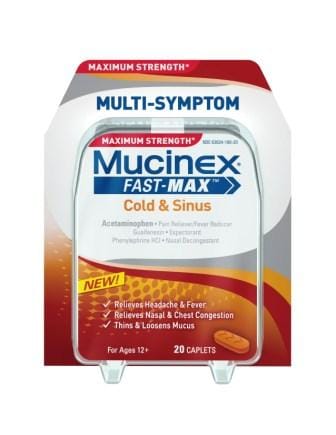
Mucinex Cold & Sinus
Buy Mucinex Cold & Sinus Online
Secure Encrypted Payments
Mucinex Cold & Sinus is a cold and sinus symptom medicine used for short-term relief of congestion-related symptoms listed on the package. You can buy Mucinex Cold & Sinus online, view the current price, and choose the form, quantity, and strength shown during ordering. Match the package directions to the symptoms you need to treat, especially when comparing caplets, liquids, and multi-symptom formulas.
Mucinex cold and sinus medicine may be chosen for stuffy nose, sinus pressure, chest congestion, or a combination of cold symptoms, depending on the exact formula. The active ingredients can differ across Mucinex Cold & Sinus, Sinus-Max, Fast-Max, Severe Cold and Sinus, and Cold & Flu products. Read the Drug Facts panel before use so you know whether the formula contains an expectorant, decongestant, pain reliever, cough suppressant, or nighttime ingredient.
Mucinex Cold & Sinus Price and Form Selection
Current pricing should be matched to the exact form and package quantity being purchased. Mucinex cold and sinus pills, caplets, liquids, and maximum-strength style products may not contain the same ingredients or follow the same use schedule. A larger box or bottle is only a better fit if the active ingredients, dose directions, and symptom coverage match what you need.
When comparing a mucinex cold and sinus liquid with caplets or pills, look beyond the front label. Liquid products are measured in mL and require accurate measuring, while tablets or caplets are counted by unit. The total number of doses can differ even when two packages look similar in size.
Quick tip: Choose the form first, then compare active ingredients and package quantity.
Some shoppers also look at mucinex cold and sinus max, mucinex sinus cold and flu, or mucinex fast max cold & sinus products. Those names can signal different symptom combinations. Before placing an order, verify whether the medicine is intended for daytime use, nighttime use, chest mucus, nasal congestion, sinus pain, cough, fever, or several of these symptoms together.
How to Order Mucinex Cold & Sinus
Order the Mucinex Cold & Sinus product that matches the form, strength, and quantity displayed during checkout. Enter order information carefully so the package name, contact details, and delivery information are accurate. If US delivery from Canada applies to your order route, review the checkout information for the product and destination before completing payment.
BorderFreeHealth works with licensed pharmacies to supply regulated medication products. Respiratory products can move quickly during cold and flu season, so rely on the current package name and Drug Facts information rather than an older box kept at home. Orders may ship with prompt, express shipping when the product and route support that service.
Cold and sinus medicines are typically used for temporary symptoms. If congestion keeps returning, sinus pain is severe, or symptoms feel different from your usual cold, speak with a healthcare professional before continuing combination products. The Common Cold category can help you browse related short-term respiratory symptom options.
What Mucinex Cold & Sinus Is Used For
Mucinex Cold & Sinus products are intended to relieve the symptoms printed on the package. Many formulas in this area of the brand combine guaifenesin, an expectorant that helps thin and loosen mucus, with a nasal decongestant that may reduce stuffiness. Some versions also include acetaminophen for pain or fever, and some multi-symptom products may contain a cough suppressant or nighttime ingredient.
People often consider Mucinex for stuffy nose and chest congestion when thick mucus and nasal blockage happen together. The best choice depends on the symptom pattern. Chest congestion, clogged nose, sinus pressure, cough, fever, and nighttime discomfort are not always treated by the same formula.
If nasal blockage is your main concern, the Nasal Congestion category may help you compare decongestant-focused products. If thick mucus or phlegm is the main issue, the Chest Congestion category may be more relevant. For broader respiratory browsing, the Respiratory collection groups related products together.
Ingredients to Check Before Use
Mucinex cold and sinus ingredients vary by product line and market. Read the Drug Facts panel every time, especially when the front label includes Fast-Max, Sinus-Max, Severe Congestion, Cold & Flu, or Night Time wording. Similar brand names do not guarantee the same active ingredients.
Guaifenesin is commonly used for phlegm because it helps loosen mucus in the airways. Decongestants are used for nasal stuffiness and sinus pressure related to swollen nasal passages. Acetaminophen, when included, helps reduce pain or fever but must be counted with all other acetaminophen-containing medicines taken that day.
| What to Review | Why It Matters |
|---|---|
| Active ingredients | Helps prevent duplicate decongestants, cough suppressants, or acetaminophen. |
| Form | Liquids require mL measuring; pills or caplets follow unit-based directions. |
| Day or night wording | Nighttime medicines may cause drowsiness or contain different ingredients. |
| Age directions | Cold medicines often have specific age limits and child-use restrictions. |
| Maximum daily amount | Exceeding label limits can increase the risk of side effects or toxicity. |
Mucinex fast max cold and sinus ingredients may differ from mucinex sinus max cold and flu ingredients. Use the full package name and the Drug Facts panel together. Do not rely on colour, package size, or a familiar brand logo when judging whether two products are interchangeable.
Dosage and Timing Basics
Follow the mucinex cold and sinus dosage printed on the package you receive. Do not use directions from another Mucinex box, an online image, or an older product in your cabinet if the ingredients or strength differ. Adult, adolescent, and child directions may also differ.
Many guaifenesin-containing medicines advise taking doses with a full glass of water. Fluids help keep mucus thinner, which may make it easier to clear. Use the included dosing cup for liquids, because a kitchen spoon can give too much or too little medicine.
How often to take Mucinex cold and sinus depends on the exact product. Some products are taken every few hours, while longer-acting products may follow a different schedule. The safest answer is the package schedule for your exact formula, unless a healthcare professional gives different instructions for your situation.
If acetaminophen is present, count every acetaminophen source used that day. Combination flu medicines, pain relievers, sleep aids, and sinus products can all contain it. Taking too much acetaminophen can cause serious liver injury, especially with alcohol use or liver disease.
What to Avoid With Cold and Sinus Products
Avoid taking multiple medicines with the same active ingredient unless a clinician confirms it is appropriate. This is especially important with decongestants, acetaminophen, and cough suppressants. Ingredient overlap is one of the most common problems with multi-symptom cold products.
Decongestant-containing formulas may not be suitable for everyone. People with high blood pressure, heart disease, glaucoma, thyroid disease, diabetes, enlarged prostate, or trouble urinating should ask a healthcare professional before use. Decongestants can raise blood pressure or heart rate in some people.
Do not use certain decongestant-containing cold medicines with an MAOI antidepressant, or soon after stopping one, unless the label or a clinician says it is safe. Serious blood pressure changes can occur. If you are pregnant, breastfeeding, older, shopping for a child, or using several medicines, ask for professional guidance before combining products.
Why it matters: Multi-symptom formulas can duplicate medicines already in your home.
Side Effects, Warnings, and When to Get Help
Possible side effects depend on the formula. Guaifenesin may cause nausea, stomach upset, dizziness, or headache. Decongestants may cause nervousness, restlessness, trouble sleeping, faster heartbeat, or increased blood pressure. Acetaminophen is usually well tolerated at labeled amounts but can cause serious liver harm if too much is taken.
- Sleep changes: decongestants may feel stimulating, especially later in the day.
- Stomach upset: liquids or caplets can cause nausea in some people.
- Blood pressure: decongestant formulas may raise readings.
- Drowsiness: nighttime products can impair driving or alcohol tolerance.
- Allergy signs: rash, swelling, wheezing, or trouble breathing needs urgent care.
Stop using the medicine and seek medical help for chest pain, severe dizziness, shortness of breath, sudden vision changes, or signs of a serious allergic reaction. Contact a clinician if fever lasts longer than the label allows, symptoms worsen, mucus becomes unusual for you, or congestion continues beyond the recommended use period.
Alcohol can increase liver risk when acetaminophen is included. Avoid alcohol with drowsy nighttime formulas, and use caution with sedatives or sleep medicines. If you are unsure whether a Mucinex product overlaps with another medication, ask a pharmacist or clinician to compare the active ingredients.
Storage, Handling, and Travel
Store caplets and liquids in the original container at room temperature, away from excess heat and moisture. Keep the lid tightly closed and keep all cold medicines out of reach of children and pets. A dry shelf is often better than a bathroom cabinet because humidity can affect packaging.
When traveling, keep the retail carton or a clear photo of the Drug Facts panel with the medicine. This helps you confirm ingredients, directions, age limits, and warnings if symptoms return away from home. Pack liquids in a leak-resistant bag and follow airline rules for carry-on volume limits.
Do not use a liquid product if the seal is broken, the colour or smell seems unusual, or the expiration date has passed. Dispose of expired cold medicines safely, especially products containing acetaminophen or decongestants. For broader respiratory topics, the Respiratory articles section may help with general symptom education.
Drinks, Humidity, and Non-Medicine Support
No drink reliably opens sinuses for everyone. Warm fluids may soothe the throat, help you stay hydrated, and make thick mucus feel easier to clear. Water, broth, or warm tea can be reasonable supportive choices when they fit your health needs.
Humidity, steam, and saline sprays can feel helpful for nasal dryness or irritation, but they do not replace medical care when warning signs appear. Avoid very hot steam that could burn the face or airway. People with asthma or other breathing conditions should be cautious if steam worsens symptoms.
Hydration can support guaifenesin use because thinner mucus is often easier to cough out. Still, fluids do not treat every cause of sinus pressure. Allergies, viral infections, irritants, dry air, and medication effects can all contribute to congestion.
Comparing Similar Cold and Sinus Choices
Not every cold and sinus medicine treats the same symptom mix. A decongestant-forward product may fit nasal blockage, while an expectorant-forward product may be chosen when phlegm or chest mucus is the bigger concern. Combination products can be convenient, but they increase the chance of ingredient duplication.
Tylenol Sinus and Mucinex comparison questions usually come down to ingredients. Tylenol-branded sinus products often emphasize acetaminophen and a decongestant, while many Mucinex products include guaifenesin for mucus. Always compare Drug Facts panels instead of choosing by brand name alone.
Some people search for the best Mucinex for stuffy nose, the best Mucinex for sinus and chest congestion, or mucinex for nasal drainage. There is no single best product for everyone. Choose based on the symptoms printed on the package, your health conditions, other medicines you take, and any clinician advice you have received.
Country-of-origin information can matter to some shoppers reviewing regulated supply routes. The Canada origin collection groups products associated with Canadian sourcing attributes when that browsing filter is relevant.
When Symptoms Need More Attention
Cold symptoms often improve with time, rest, and fluids. Seek medical advice if symptoms are severe, keep returning, last longer than the package recommends, or include high fever, facial swelling, stiff neck, wheezing, shortness of breath, confusion, or chest pain.
Sinus pressure after a cold does not always mean a bacterial sinus infection. Viral illness, allergies, dry air, smoke, irritants, and medication effects can all contribute. A clinician can help identify the cause when symptoms do not follow a typical short-term pattern.
Children, older adults, pregnant or breastfeeding people, and people with chronic medical conditions should be especially careful with combination cold medicines. A simpler single-ingredient product or non-medicine support may be safer for some situations, depending on the ingredients and health history.
Authoritative Sources
Manufacturer product information is available from the official Mucinex product website.
U.S. medicine label information can be checked through the DailyMed label database.
This content is for informational purposes only and is not a substitute for professional medical advice.
Express Shipping - from $29.99
Prices:
- Dry-Packed Products $29.99
- Cold-Packed Products $39.99
Shipping Countries:
- United States (all contiguous states**)
- Worldwide (excludes some countries***)
Standard Shipping - $19.99
Shipping with this method takes 5-10 days
Prices:
- Dry-Packed Products $19.99
- Not available for Cold-Packed products
Shipping Countries:
- United States (all contiguous states**)
- Worldwide (excludes some countries***)
How often should I take Mucinex Cold & Sinus?
Follow the dosing schedule printed on the exact package you receive. Mucinex Cold & Sinus formulas can differ by ingredients, strength, and release pattern, so directions from another Mucinex product may not apply.
What is Mucinex Cold & Sinus used for?
It is used for temporary relief of cold and sinus symptoms listed on the package, such as congestion-related discomfort. Some formulas may include an expectorant for mucus, a decongestant for stuffiness, and other symptom relievers.
What medication is good for phlegm?
Guaifenesin is an expectorant commonly used to help thin and loosen mucus. If phlegm is your main symptom, choose a product whose Drug Facts panel includes an expectorant and follow the label directions.
What should I avoid when taking Mucinex Cold & Sinus?
Avoid combining it with other products that contain the same active ingredients, especially acetaminophen, decongestants, or cough suppressants. Ask a clinician first if you have high blood pressure, heart disease, glaucoma, thyroid disease, diabetes, or trouble urinating.
What drink opens sinuses?
No drink opens sinuses reliably for everyone. Warm fluids may soothe the throat and support hydration, while saline, humidity, and rest may also help some people feel more comfortable.
Rewards Program
Earn points on birthdays, product orders, reviews, friend referrals, and more! Enjoy your medication at unparalleled discounts while reaping rewards for every step you take with us.
You can read more about rewards here.
POINT VALUE
How to earn points
- 1Create an account and start earning.
- 2Earn points every time you shop or perform certain actions.
- 3Redeem points for exclusive discounts.
You Might Also Like
Select options
This product has multiple variants. The options may be chosen on the product page
Select options
This product has multiple variants. The options may be chosen on the product page
Select options
This product has multiple variants. The options may be chosen on the product page
Select options
This product has multiple variants. The options may be chosen on the product page