
Please note: a valid prescription is required for all prescription medication.
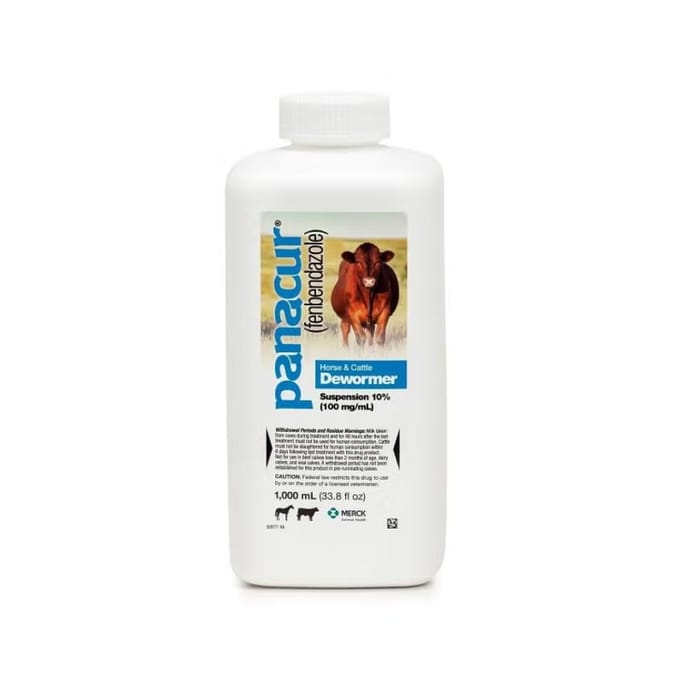
Panacur Suspension
Buy Panacur Suspension Online
Secure Encrypted Payments
Panacur Suspension is a fenbendazole oral suspension used in veterinary care for susceptible intestinal parasites. You can buy Panacur Suspension online, view the current price, and choose the liquid strength and quantity shown during ordering. Match the form, concentration, and amount needed to your veterinarian’s directions before giving it to a dog, cat, puppy, or kitten.
This liquid dewormer may be easier to measure than tablets, granules, or paste for some pets, especially small animals or pets that resist pills. Keep your pet’s current weight, species, diagnosis, and clinic instructions nearby because concentration and measured volume are not the same thing. US delivery from Canada may be available for customers using BorderFreeHealth’s cross-border service.
Panacur Suspension Price and Strength Selection
The Panacur Suspension price depends on the liquid presentation, bottle quantity, and current checkout information. A larger bottle may contain more total fenbendazole, but that does not automatically make it the right fit for a short course, a small pet, or one animal in a multi-pet household. Start with the form and concentration your veterinarian recommended, then choose the quantity that fits the treatment plan.
Panacur oral suspension is commonly discussed as a 10% fenbendazole liquid, often described in veterinary references as 100 mg/mL. Terms such as Panacur 10 suspension, Panacur 100 mg mL, and Panacur suspension 100mg mL refer to concentration. They do not tell you the dose, schedule, or total amount your animal should receive.
Why it matters: The same active ingredient can require different measured volumes when the concentration or formulation changes.
| What to match | Why it affects your order |
|---|---|
| Active ingredient | Fenbendazole should match the product your veterinarian discussed. |
| Form | Liquid suspension may suit pets that are hard to pill or need small measured amounts. |
| Concentration | Strength such as 10% or 100 mg/mL affects the volume measured. |
| Quantity | The bottle amount should align with the planned course and number of animals treated. |
| Species and weight | Dogs, cats, puppies, and kittens need individualized veterinary directions. |
If you are paying cash or buying Panacur Suspension without insurance, focus on the current price, the liquid form, and the amount your veterinarian expects you to complete. Cost only helps when the medicine, strength, and quantity are appropriate for the pet being treated.
How to Order Panacur Suspension from Canada
To order Panacur Suspension from Canada, choose the fenbendazole oral suspension that matches your veterinarian’s instructions, then complete checkout with the requested order information. Use the product name, active ingredient, and concentration together so the liquid is not confused with granules, paste, or other dewormer presentations.
BorderFreeHealth works with licensed pharmacies and may review order information when required before the pharmacy supplies the medication. Keep clinic contact details, your pet’s weight, and any written directions available in case the order needs clarification. Prompt, express shipping may be offered, but plan around the treatment schedule rather than waiting until doses are urgently needed.
Quick tip: Store your receipt and veterinary directions together so the bottle can be checked before each course.
What Fenbendazole Oral Suspension Treats
Panacur liquid dewormer contains fenbendazole, an anthelmintic medicine used against susceptible worms. Fenbendazole belongs to the benzimidazole class. It interferes with parasite structures and energy processes that worms need to survive, which helps clear susceptible intestinal parasites when used as directed.
In veterinary care, fenbendazole suspension may be used for intestinal parasites such as roundworms and hookworms, depending on the species, formulation, and label directions. Some fenbendazole products are also used for certain tapeworms or other gastrointestinal nematodes. In dogs, veterinarians may include fenbendazole in a Giardia plan when that approach is appropriate for the animal and diagnosis.
A pet with diarrhea, weight changes, poor coat quality, or visible worms still needs proper assessment. Different parasites can require different products, repeat treatment, environmental cleaning, or follow-up fecal testing. For broader browsing by condition, see the Intestinal Worm Infection and Giardia Infection categories.
Dogs, Cats, Puppies, and Kittens
Panacur liquid for dogs is often chosen when an oral measured dose is more practical than a tablet. It may help with small dogs, selective eaters, or pets that need careful volume adjustment. Panacur suspension for puppies requires special care because body weight changes quickly, and young animals can be more vulnerable to dehydration or parasite burden.
Panacur liquid for cats may be used for select parasites under veterinary direction. Cats can object to taste, handling, or syringes, so ask your clinic whether the measured amount can be mixed with a small portion of food. If food mixing is approved, the full portion must be eaten to receive the intended amount.
Panacur suspension for kittens needs precise weighing and careful monitoring. Very young, weak, pregnant, nursing, or medically fragile animals should be assessed before treatment decisions are made. If several pets share the same household, each animal should be evaluated separately rather than splitting one pet’s instructions among all animals.
Measuring and Giving the Liquid
Panacur 10 is commonly used to describe a 10% fenbendazole suspension. Another way to express that concentration is 100 mg/mL, meaning 100 mg of fenbendazole in each mL of liquid. Always rely on the bottle label you receive because packaging, market presentation, and veterinary directions can vary.
The liquid is usually given by mouth with an appropriate measuring device. Shake the bottle well before measuring so the suspension is evenly mixed. Measure on a level surface and avoid household teaspoons because they are not precise medical dosing tools.
- Shake the bottle before each measured amount.
- Use a marked oral syringe, dosing cup, or veterinary-approved device.
- Measure for the individual animal’s weight and plan.
- Confirm the pet swallowed the full amount.
- Complete the course unless your veterinarian changes the plan.
If a dose is missed, contact your veterinarian or follow clear label instructions if they are provided for the exact product. Do not double the next amount unless your clinic specifically tells you to do so. Consistent timing helps support multi-day parasite treatment plans.
What to Expect During Treatment
Some pets have stool changes as parasites are cleared. Visible worms may pass, but many animals show no obvious worms even when treatment is working. Digestive signs can also come from infections, diet changes, stress, or other illness, so persistent diarrhea or worsening symptoms should not be assumed to be only parasites.
Your veterinarian may recommend repeat stool testing after treatment. Follow-up can help show whether the parasite burden has cleared or whether a different plan is needed. In households with shared yards, litter boxes, or close animal contact, preventing reinfection can be as important as giving the dewormer correctly.
Clean bedding, scoop litter, pick up feces promptly, and reduce exposure to contaminated soil when possible. Wash hands after handling stool, litter, or dosing supplies. These steps are especially important when puppies, kittens, children, older adults, or immunocompromised people live in the home.
Storage, Handling, and Travel
Store Panacur Suspension according to the label on the bottle you receive. In general, keep veterinary medicines in a secure place away from children and animals, with the cap tightly closed. Protect the liquid from excessive heat, freezing, and direct light unless the packaging gives different instructions.
Many pet owners ask whether Panacur Suspension needs refrigeration. Follow the manufacturer’s storage directions for the exact bottle rather than relying on a general rule. If the liquid changes color, odor, or texture, or if the seal appears damaged, ask a veterinarian or pharmacist before use.
For travel, keep the bottle upright in a leak-resistant bag and pack the measuring device with it. Carry your pet’s health papers and clinic instructions when practical, especially if travel interrupts a multi-day course. Do not leave the bottle in a hot car, checked luggage exposed to temperature swings, or an area where another animal can chew it.
Side Effects, Warnings, and Monitoring
Fenbendazole suspension is commonly used in veterinary medicine, but side effects can still occur. Mild digestive signs may include vomiting, soft stool, decreased appetite, drooling, or temporary stomach upset. These effects are often short-lived, but ongoing, severe, or worsening symptoms should be discussed with a veterinarian.
Seek veterinary help promptly if your pet has repeated vomiting, bloody diarrhea, severe lethargy, facial swelling, hives, collapse, or breathing trouble. These signs may indicate a serious reaction, dehydration, heavy parasite burden, or another illness needing urgent care. Also call your clinic if your pet refuses multiple doses or cannot keep the medicine down.
Tell your veterinarian about other dewormers, flea and tick products, antibiotics, anti-inflammatory medicines, supplements, and recent illness. This helps avoid unnecessary overlap and gives the clinic a clearer safety picture. Animals with known sensitivity to benzimidazoles should receive fenbendazole only after veterinary assessment.
Use extra care with very young, debilitated, pregnant, or nursing animals. These pets may need closer monitoring or a different deworming schedule. Keep unused liquid out of reach, clean dosing equipment after use, and dispose of leftover product according to veterinary or local guidance.
Compare Related Dewormer Forms
Different pets handle different dewormer forms better. If your veterinarian prefers a powder mixed with food, Panacur Granules may be easier for certain dogs. For single-dose granule packaging needs, Panacur Granules Single may be worth discussing with your clinic.
When a paste is more practical for the species or handling situation, Panacur Paste may be considered if it matches the veterinary plan. Some clinics may recommend a different active ingredient for certain parasites; for example, Drontal Plus is a related dewormer product for dogs that should be evaluated by active ingredients, species fit, and intended parasite coverage.
Do not switch between liquid, granules, paste, or another dewormer only because one form appears more convenient. Concentration, labeled species, dose calculations, and treatment schedules differ. For broader browsing, the Pet Medications category groups animal health products, and the article Drontal for dogs safety information can help you understand why product choice depends on parasite type.
Questions to Ask Your Veterinarian Before Use
A short conversation with your clinic can prevent buying the wrong form or giving the wrong measured amount. Ask which parasite is confirmed or suspected, whether fenbendazole oral suspension is the intended product, and whether stool testing is needed after treatment. Bring the bottle concentration or online order information if you are confirming the choice with your veterinarian.
- Which parasite is suspected or confirmed?
- Is liquid fenbendazole the right form for this animal?
- What current weight should be used for measuring?
- Which measuring device should I use?
- Can the dose be mixed with a small meal?
- When should stool be rechecked?
- Should other pets in the household be examined?
- Which warning signs need urgent care?
If your household has multiple pets, ask whether each animal needs testing, treatment, or environmental control steps. Avoid using one animal’s directions for another pet, even when both appear similar in size. Parasite control works best when the medicine, hygiene plan, and follow-up fit the entire household.
Authoritative Sources
For official U.S. label details, consult the DailyMed Panacur fenbendazole suspension label.
The FDA animal drug database lists approved animal drug information through the FDA Green Book fenbendazole record.
This content is for informational purposes only and is not a substitute for professional medical advice.
Express Shipping - from $29.99
Shipping with this method takes 3-5 days
Prices:
- Dry-Packed Products $29.99
- Cold-Packed Products $39.99
Shipping Countries:
- United States (all contiguous states**)
- Worldwide (excludes some countries***)
Standard Shipping - $19.99
Shipping with this method takes 5-10 days
Prices:
- Dry-Packed Products $19.99
- Not available for Cold-Packed products
Shipping Countries:
- United States (all contiguous states**)
- Worldwide (excludes some countries***)
What is Panacur Suspension used for?
Panacur Suspension contains fenbendazole, an anthelmintic used in veterinary care for susceptible intestinal parasites. Depending on the animal, label, and veterinary plan, it may be used for parasites such as roundworms or hookworms, and veterinarians may include fenbendazole in some Giardia treatment plans for dogs.
Is Panacur Suspension the same as Panacur 10 or 100 mg/mL?
Panacur 10 commonly refers to a 10% fenbendazole suspension, which is often described as 100 mg/mL. Those terms describe concentration, not the amount your pet should receive. The measured volume should come from your veterinarian’s directions and the bottle label.
Can Panacur liquid be used for dogs, cats, puppies, and kittens?
Fenbendazole oral suspension may be used in veterinary care for different species, but directions vary by animal, weight, parasite, and formulation. Puppies, kittens, pregnant, nursing, weak, or medically fragile animals should be assessed by a veterinarian before treatment decisions are made.
What side effects can Panacur Suspension cause?
Possible side effects include vomiting, soft stool, decreased appetite, drooling, or temporary stomach upset. Contact a veterinarian promptly for repeated vomiting, bloody diarrhea, severe lethargy, swelling, hives, collapse, breathing trouble, or if your pet cannot keep doses down.
How should I store Panacur Suspension?
Follow the storage directions on the bottle you receive. Keep the cap tightly closed, store it securely away from children and animals, and protect it from excessive heat, freezing, or direct light unless the label says otherwise. Ask a veterinarian or pharmacist if the liquid looks or smells changed.
Rewards Program
Earn points on birthdays, product orders, reviews, friend referrals, and more! Enjoy your medication at unparalleled discounts while reaping rewards for every step you take with us.
You can read more about rewards here.
POINT VALUE
How to earn points
- 1Create an account and start earning.
- 2Earn points every time you shop or perform certain actions.
- 3Redeem points for exclusive discounts.
You Might Also Like
Select options
This product has multiple variants. The options may be chosen on the product page
Select options
This product has multiple variants. The options may be chosen on the product page
Select options
This product has multiple variants. The options may be chosen on the product page
Select options
This product has multiple variants. The options may be chosen on the product page