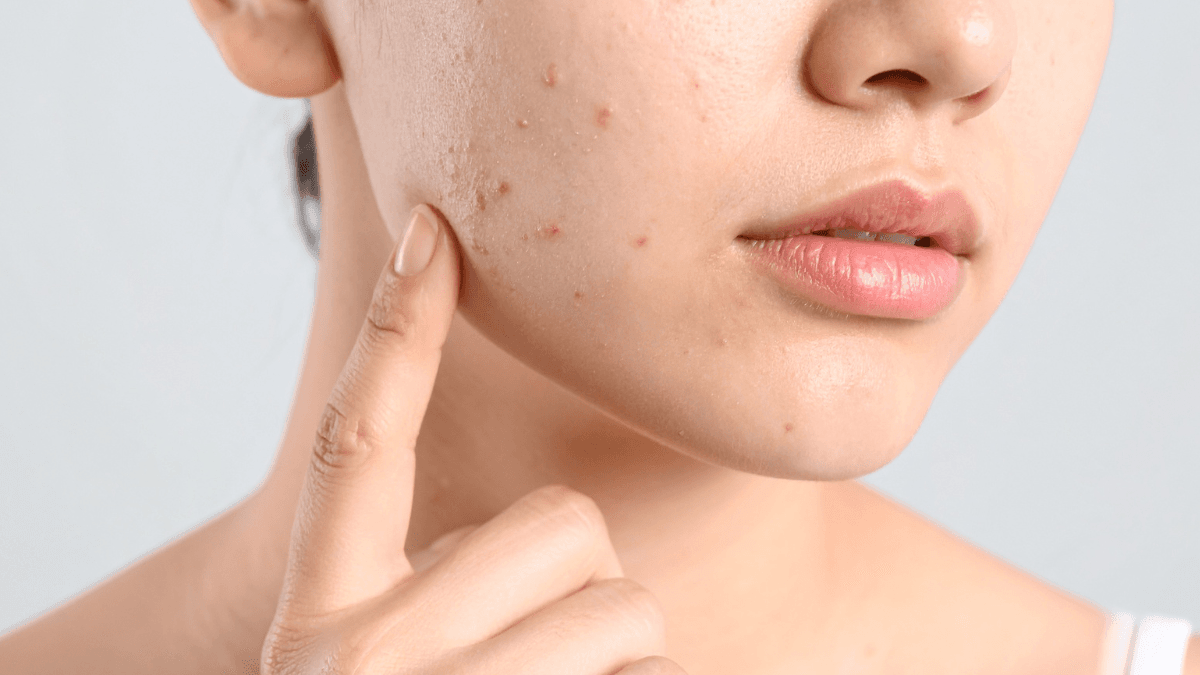
Doxycycline hyclate for acne is an oral antibiotic clinicians may prescribe for inflammatory acne when topical treatment alone is not enough. It can help calm acne-related inflammation and bacteria, but it is not an overnight fix. Most people need a clear plan for what to expect, what side effects to watch for, and how treatment will transition after the antibiotic course ends.
The most useful question is not simply whether doxycycline works. It is how it fits into your acne plan. That plan may include topical treatment, skin-care adjustments, follow-up visits, and a maintenance strategy to reduce the chance of relapse.
Key Takeaways
- Acne changes slowly, so improvement is usually judged over weeks.
- Doxycycline is mainly used for inflammatory acne, such as red, tender bumps.
- Sun sensitivity, stomach upset, and swallowing irritation are common cautions.
- Oral antibiotics are usually paired with topical acne treatment.
- Ask early about duration, pregnancy cautions, interactions, and relapse prevention.
Doxycycline Hyclate for Acne in Plain Terms
Doxycycline is a tetracycline-class antibiotic. For acne, clinicians use it because it can reduce Cutibacterium acnes, a skin bacterium involved in acne, and help quiet inflammation. The hyclate part describes one salt form of doxycycline. Another common form is doxycycline monohydrate. Both deliver doxycycline, but the exact product your prescriber chooses may depend on formulation, tolerability, prescription wording, and clinical judgment.
Doxycycline is most often considered when acne is moderate, widespread, painful, or leaving marks. It is not usually the first answer for a few blackheads or whiteheads. Those non-inflammatory clogged pores often respond better to topical medicines that target pore plugging.
Why this matters: people often expect an antibiotic to clear acne the way it might clear some short-term infections. Acne behaves differently. It has cycles, hormonal influences, oil production, clogged pores, bacteria, inflammation, and sometimes scarring risk. Doxycycline addresses part of that process, not every driver.
Clinicians often combine oral antibiotics with topical options, such as benzoyl peroxide or a retinoid. This combined approach can support better long-term control and may reduce the risk of antibiotic resistance. Do not add, stop, or layer acne medicines without checking the plan, especially if your skin is already irritated.
What to Expect in the First Several Weeks
When you start doxycycline hyclate for acne, the main expectation is gradual change. Some people notice fewer painful new bumps first. Others see less redness or tenderness before the visible number of lesions changes. Existing pimples still need time to heal, and deeper nodules can take longer to flatten.
Early improvement does not always look dramatic. A useful sign may be that breakouts are smaller, less frequent, or shorter-lived. It can also mean fewer new inflamed lesions during the same point in your usual acne cycle. Photos taken in the same lighting every two to four weeks can help you and your clinician judge change more fairly.
If acne has not improved by the planned follow-up, that does not automatically mean failure. It may mean the diagnosis, adherence, topical routine, hormonal factors, or treatment mix needs review. Your clinician may ask whether doses were missed, whether the medicine caused stomach problems, or whether skin-care products are irritating your skin barrier.
Does acne get worse at first?
Doxycycline itself is not usually described as a true acne purging medicine. Still, acne can fluctuate during the first few weeks because clogged pores formed earlier are still surfacing. If a topical retinoid was started at the same time, irritation or an early flare can be harder to interpret.
A mild temporary change is different from a concerning reaction. Call your clinician if acne rapidly becomes much more painful, if you develop a new rash, or if swelling, hives, breathing trouble, fever, or severe diarrhea appears. Those symptoms need medical review rather than routine waiting.
How long does it take to clear acne?
There is no single clearing timeline. Acne severity, hormones, skin sensitivity, other medicines, and consistency all matter. Many clinicians reassess oral antibiotic treatment after a set follow-up period rather than leaving it open-ended. This helps balance benefit with antibiotic stewardship.
Quick tip: Bring dated photos to follow-up visits instead of relying on memory.
Safety Cautions Before and During Treatment
The safety profile of doxycycline hyclate for acne is one reason questions matter before starting. Many side effects are manageable, but some require prompt care. Your clinician and pharmacist can also check whether another condition, medication, or life stage makes doxycycline a poor fit.
Common issues include nausea, diarrhea, stomach discomfort, and increased sensitivity to sunlight. Some people develop throat or chest discomfort if the tablet or capsule irritates the esophagus, the tube between the mouth and stomach. Taking it exactly as instructed, usually with enough water and without lying down right away, can reduce this risk, but follow your own prescription directions.
Sun sensitivity deserves extra attention. Doxycycline can make sunburn easier. Daily sunscreen, shade, protective clothing, and avoiding tanning beds are practical habits while using it. If you develop a severe sunburn-like reaction or blistering, contact a healthcare professional.
Rare but serious symptoms need urgent guidance. These can include signs of an allergic reaction, severe headache with vision changes, severe or bloody diarrhea, trouble swallowing, or chest pain after taking a dose. Do not try to manage those symptoms by simply adjusting the medicine yourself.
Pregnancy, age, and dental cautions
Doxycycline is generally avoided during pregnancy because tetracycline-class medicines can affect fetal bone and tooth development. It is also usually avoided in young children except in specific situations where clinicians judge benefits and risks. If pregnancy is possible, or if you are breastfeeding, tell your clinician before treatment starts.
These cautions do not mean everyone taking doxycycline is at high risk. They mean the prescriber needs accurate information before deciding whether this antibiotic is appropriate. If your situation changes during treatment, such as a new pregnancy or a new medication, ask for guidance promptly.
Interactions and spacing questions
Mineral-containing products can interfere with doxycycline absorption. These may include antacids, iron, magnesium, calcium, zinc, and some supplements. Dairy timing may also matter depending on the product and directions. Ask your pharmacist how to space your specific medicines and supplements.
Also mention isotretinoin, blood thinners, seizure medicines, and any recent antibiotic reactions. Doxycycline may not be the right match in every case. A complete medication list helps prevent avoidable problems.
Questions to Ask Before You Start
Before using doxycycline hyclate for acne, ask practical questions that make the treatment plan easier to follow. The goal is not to challenge your clinician. It is to understand the plan well enough to use it safely and to know when the plan needs review.
- Treatment goal: What change should we expect first?
- Follow-up plan: When should we reassess progress?
- Topical pairing: Which products should continue or pause?
- Side effect plan: Which symptoms need a call?
- Sun precautions: How strict should protection be?
- Interaction check: Which supplements or medicines need spacing?
- Pregnancy caution: What should I report right away?
- Maintenance plan: What happens after the antibiotic stops?
Ask about the exact formulation written on the prescription. Doxycycline hyclate and doxycycline monohydrate are not always substituted automatically. If your pharmacy offers a different version, confirm with the prescriber or pharmacist before switching.
It also helps to ask what acne type is being treated. Red, tender bumps and deeper inflamed lesions are different from closed comedones, blackheads, or irritation from skin-care products. A medicine can be appropriate for one pattern and less useful for another.
If Acne Comes Back After a Course
Acne can return after doxycycline if the underlying acne drivers remain active. This does not mean you did something wrong. It often means the antibiotic helped suppress inflammation, but maintenance treatment was still needed to keep pores clearer and inflammation lower.
A relapse discussion should focus on pattern. Did acne return quickly or slowly? Is it the same type of lesion? Is it mainly around the jawline, back, chest, or forehead? Did it flare after stopping a topical medicine? These details can change the next step.
Clinicians may consider topical maintenance, hormonal evaluation, a different medication class, or referral to dermatology if acne is scarring, painful, or persistent. Repeated antibiotic courses without a broader plan can raise concerns about resistance and long-term control.
Why it matters: A clear exit plan can be as important as the antibiotic itself.
How Doxycycline Fits With Other Acne Care
Doxycycline hyclate for acne is not a stand-alone cure for every acne pattern. It often works best as one part of a treatment plan. That plan may address clogged pores, excess oil, bacteria, inflammation, hormonal triggers, and skin-barrier irritation.
Topical benzoyl peroxide may be used to reduce acne bacteria and support antibiotic stewardship. Topical retinoids may help prevent clogged pores, though they can cause dryness or irritation at first. Moisturizer and sunscreen matter because an irritated skin barrier can make treatment harder to tolerate.
Skin-care routines should stay simple while the prescription plan settles. Harsh scrubs, multiple acids, high-strength peels, and frequent product changes can mimic treatment failure by causing redness, burning, or breakouts from irritation. A gentle cleanser, non-comedogenic moisturizer, and sunscreen are often easier to assess.
Diet, stress, menstrual cycles, sweating, helmets, and comedogenic hair products can also influence acne. These factors do not replace medical treatment, but they can explain why breakouts continue despite a reasonable prescription plan. If acne is linked with irregular periods, excess facial hair, or sudden severe flares, ask whether hormonal causes should be reviewed.
Access, Records, and Follow-Up Planning
Keep a simple record of your acne plan. Include the medicine name, formulation, start date, topical products, side effects, and follow-up date. This record helps if you see a different clinician, change pharmacies, or need to discuss whether treatment is helping.
If you are comparing access options, BorderFreeHealth connects eligible patients with licensed Canadian partner pharmacies. Prescription details may be verified with the prescriber when required, before a partner pharmacy dispenses. Eligible cash-pay cross-border options may also be available without insurance, depending on the prescription and jurisdiction.
For more skin-health reading, the Dermatology hub groups related educational topics. If you are reviewing medication categories, Dermatology Products is a browseable product category, not a treatment recommendation.
Authoritative Sources
- For official label details and safety warnings, review DailyMed doxycycline hyclate labels.
- For acne guideline context and antibiotic stewardship, see American Academy of Dermatology acne guidance.
- For plain-language medication cautions, side effects, and interactions, use MedlinePlus doxycycline information.
A good acne plan should answer three questions: what change you are looking for, what risks you should watch for, and what happens after the antibiotic course. If any part of that plan is unclear, bring it to your prescriber or pharmacist before making changes on your own.
This content is for informational purposes only and is not a substitute for professional medical advice.