
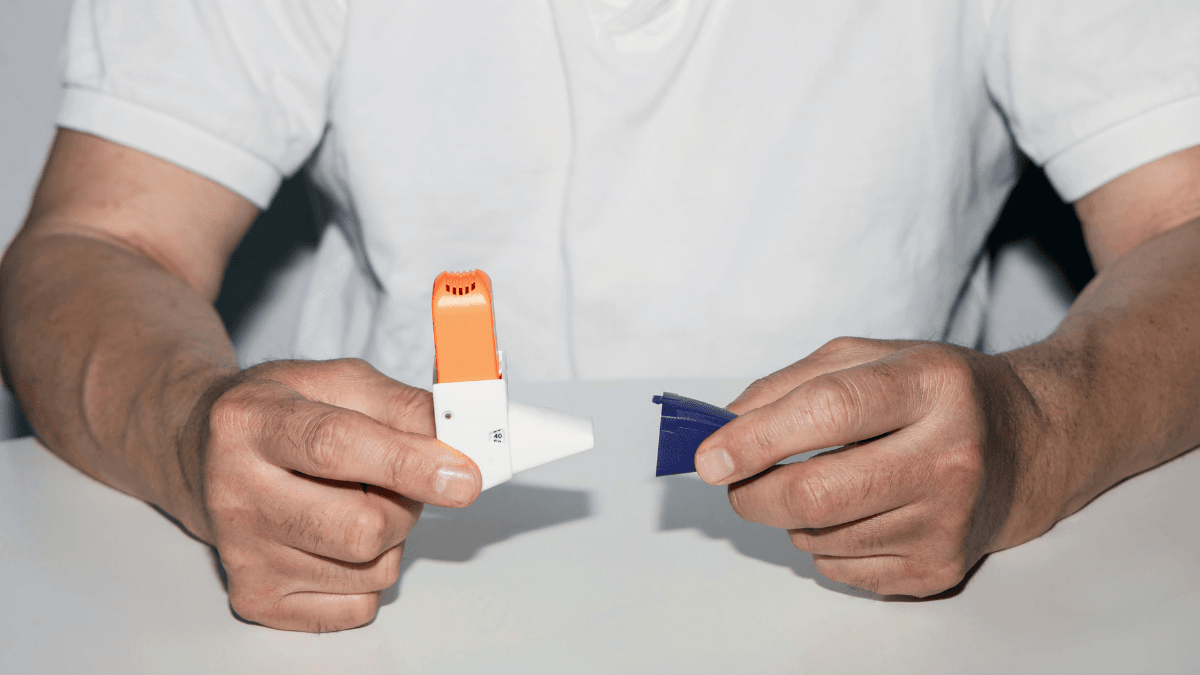
Combivent Respimat instructions are the step-by-step directions for preparing, priming, inhaling, cleaning, and tracking this soft-mist inhaler. They matter because small technique errors can reduce how much medicine reaches the lungs and may increase frustration during COPD care.
This article explains the practical steps in plain language. It also covers dosing questions, device maintenance, side effects, and when to ask for help. Use it as a refresher, not as a replacement for your prescriber’s directions or the package insert.
Key Takeaways
- Prime before use: New or unused devices need preparation before inhaling a dose.
- Use slow breaths: Start inhaling slowly as you press the dose-release button.
- Follow your plan: Dosing limits help reduce side effects and overuse.
- Check technique often: Pharmacists and clinicians can spot common errors quickly.
- Watch safety flags: Report chest pain, sustained palpitations, eye pain, or worsening breathing.
How to Use the Soft-Mist Inhaler Step by Step
The basic daily pattern is turn, open, press, and breathe in slowly. Your specific device instructions may include extra preparation steps, especially when you start a new inhaler or restart one after a long gap.
To assemble a new device, insert the cartridge into the inhaler body as directed in the product instructions. Keep the cap closed while preparing the device. The cartridge must be seated correctly before the inhaler can deliver a reliable mist.
Priming helps confirm that the inhaler is spraying correctly before you use it. Point the inhaler away from your face. Press the dose-release button until you see a visible mist, then follow the additional priming sprays described in the official directions.
For a routine dose, hold the inhaler upright with the cap closed. Turn the base until it clicks. Open the cap, breathe out gently away from the mouthpiece, and place your lips around the mouthpiece without blocking the side vents. Begin a slow, deep breath through your mouth, then press the button once and keep breathing in. Hold your breath for up to 10 seconds if comfortable, then breathe out slowly.
Quick tip: Bring the inhaler to appointments and demonstrate your technique before symptoms worsen.
If you want a focused visual-style walkthrough, the related Mastering Combivent Respimat resource can help you review the sequence before a technique check.
Dosing Basics, Uses, and What Not to Assume
Combivent Respimat contains ipratropium bromide and albuterol sulfate. Ipratropium is an anticholinergic bronchodilator, which helps relax airway narrowing through one pathway. Albuterol is a beta2-agonist bronchodilator, which relaxes airway smooth muscle through another pathway.
The product is used in COPD care for patients who need more than one bronchodilator, based on a clinician’s assessment. It is not a steroid. It also should not be treated as a general asthma inhaler unless a prescriber gives specific instructions for your situation.
Combivent Respimat dosage usually refers to how many inhalations are used in a day and the maximum daily use allowed by the prescription or label. Do not add extra puffs, combine extra bronchodilators, or change timing because symptoms feel worse. Instead, use the action plan your clinician gave you and ask for urgent help when breathing distress is severe.
For deeper background on dosing schedules and questions to ask at visits, see Optimal Combivent Dosage. A broader dosing discussion is also available in Combivent Dosage Overview.
Common Technique Errors That Affect Each Dose
Most inhaler problems come from timing, breath speed, or missed preparation steps. The soft mist moves more slowly than many metered-dose inhalers, but it still requires coordination.
- Skipping priming: A new or unused device may not spray correctly.
- Breathing in too fast: A slower breath helps the mist move deeper.
- Pressing too late: Press near the start of the inhalation.
- Blocking vents: Keep lips sealed without covering the air vents.
- Forgetting the breath-hold: Hold briefly if you can do so comfortably.
- Ignoring the indicator: Replace the device when the dose count reaches zero.
Why this matters: technique checks are one of the simplest ways to improve confidence with a combivent inhaler.
If your hands shake, your grip is weak, or your timing feels difficult, tell your pharmacist or prescriber. They can watch your technique and suggest practical adjustments. Ask before using any spacer or chamber, since not every inhaler type is used the same way.
Cleaning, Storage, and Dose Tracking
Weekly cleaning helps prevent buildup around the mouthpiece. Wipe the mouthpiece, including the metal part inside, with a damp cloth or tissue as directed. Do not soak the inhaler unless the official instructions specifically say to do so.
Keep the cap closed between uses. Store the inhaler at room temperature, away from excess heat, moisture, and freezing conditions. Check the dose indicator regularly so you are not surprised by an empty device.
If the spray looks weak, irregular, or absent, do not guess. Confirm that doses remain, the cap and base move correctly, and the mouthpiece is not blocked. If the device has not been used for a while, follow the label’s re-priming directions before using it again.
For product identification and device context, the Combivent Respimat Inhaler page can help you confirm the product name and inhaler type. Keep this separate from clinical advice about whether the medicine is appropriate for you.
Safety Flags, Side Effects, and Interactions
Side effects can include tremor, nervousness, dry mouth, cough, headache, or a faster heartbeat. Some people may notice palpitations after bronchodilator use. Report symptoms that are new, persistent, or concerning, especially if they affect daily activities.
Seek urgent medical help for severe breathing trouble, chest pain, fainting, swelling of the face or throat, or signs of a serious allergic reaction. Sudden eye pain, blurred vision, or halos around lights also need prompt attention because anticholinergic medicines can worsen narrow-angle glaucoma in susceptible people.
Tell your clinician about glaucoma, urinary retention, prostate problems, heart rhythm issues, high blood pressure, seizure disorders, thyroid disease, diabetes, and all medicines you use. This includes over-the-counter decongestants, stimulant products, and other inhalers.
Many readers ask whether they can take Combivent and albuterol together. The answer depends on the full treatment plan. Because Combivent already contains albuterol, adding another albuterol product can increase beta-agonist side effects such as tremor or palpitations. Ask your clinician how to handle breakthrough symptoms and when to seek care.
For a deeper safety review, read Combivent Side Effects. For broader respiratory treatment context, Inhaler Therapy explains how inhaled medicines may fit into pulmonary care.
How It Compares With Nebulizers and Other Respimat Devices
A nebulizer and a soft-mist inhaler are not interchangeable without clinical direction. Nebulizers deliver medicine over several minutes through a mouthpiece or mask. A soft-mist inhaler is portable and dose-specific, but it needs correct timing and breathing technique.
You may hear the term combivent nebulizer when discussing ipratropium and albuterol solutions used with nebulizer equipment. Do not assume that a nebulizer dose equals a certain number of inhaler puffs. The delivery method, formulation, and plan can differ.
Other Respimat devices may look familiar but have different medicines and instructions. Spiriva Respimat contains tiotropium, a long-acting muscarinic antagonist, and has its own device steps. If you are learning how to use Spiriva Respimat or switching from Spiriva HandiHaler, ask for a separate demonstration.
The Spiriva Respimat Inhaler page can help you identify the device type, while the Respiratory Health collection offers related educational reading. Use product pages for identification and navigation, not as a substitute for prescribing advice.
When to Reassess Your COPD Plan
Reassess your plan when symptoms change, side effects interfere with daily life, or you need rescue treatment more often than expected. These patterns may signal poor technique, worsening COPD, another illness, or a medication plan that needs review.
Bring a simple symptom record to visits. Note breathlessness, nighttime symptoms, triggers, missed doses, side effects, and any urgent care visits. Also write down questions about inhaler timing, other bronchodilators, and what to do during flare-ups.
If access or continuity is a concern, keep an updated medication list and prescription details available for every clinician and pharmacy interaction. BorderFreeHealth connects U.S. patients with licensed Canadian partner pharmacies, and prescription details are verified with the prescriber where required before dispensing by the pharmacy.
Cash-pay, cross-border prescription options may be relevant for some patients without insurance, subject to eligibility and jurisdiction. Keep that access discussion separate from clinical decisions about which inhaler is safest for you.
Authoritative Sources
For official labeling and patient directions, review the DailyMed Combivent Respimat label. It includes indications, contraindications, warnings, and administration instructions.
For patient-friendly medicine information, see the MedlinePlus ipratropium oral inhalation overview. It explains precautions and side effects in accessible language.
For general inhaler technique support, the Lung Canada Respimat instructions provide a neutral review of soft-mist inhaler steps.
Recap
Correct technique starts with preparation, priming, slow inhalation, and regular device care. Combivent Respimat instructions also include knowing your dose limits, tracking the indicator, and asking for help when symptoms or side effects change.
Keep the package insert, your action plan, and your current medication list together. That simple habit makes each appointment more useful and helps your care team correct problems earlier.
This content is for informational purposes only and is not a substitute for professional medical advice.


