
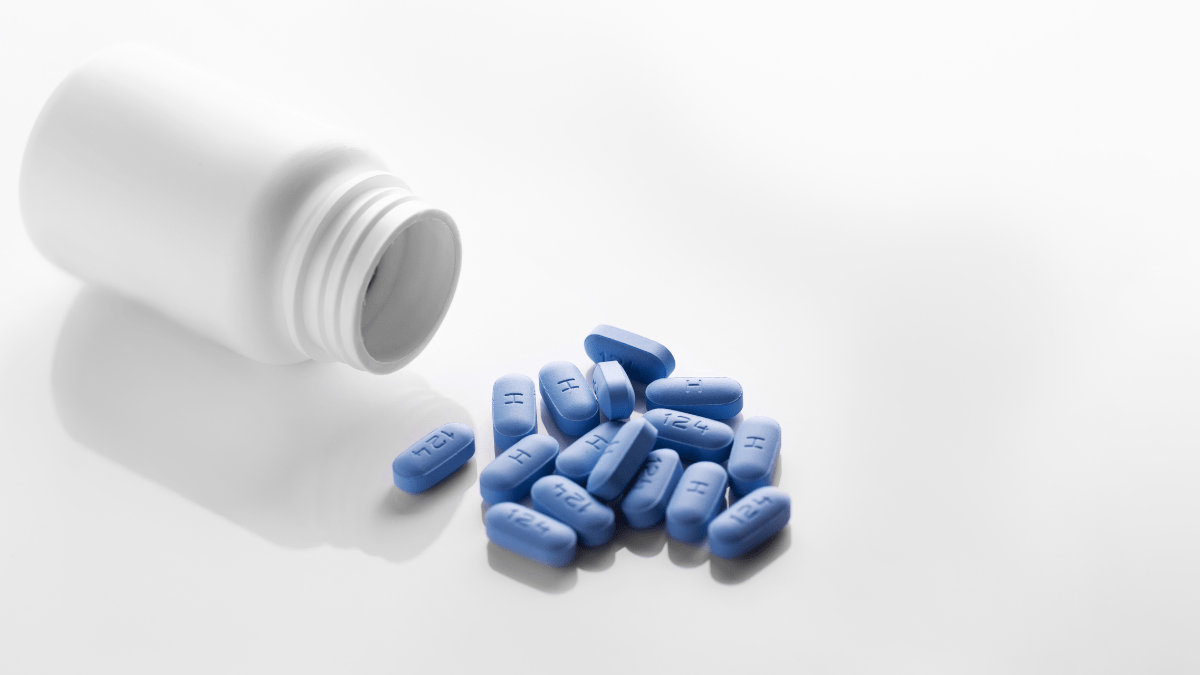
Biktarvy for PEP may be used in some settings as an emergency HIV prevention option after a possible exposure, but it should be started only with medical guidance. PEP is time-sensitive, and the choice of regimen depends on timing, exposure details, HIV test results, kidney and liver health, pregnancy considerations, and drug interactions.
Biktarvy combines bictegravir, emtricitabine, and tenofovir alafenamide in one tablet. It is approved for HIV-1 treatment, and current U.S. public health guidance includes bictegravir/emtricitabine/tenofovir alafenamide among preferred PEP options for many adults and adolescents. That does not mean it fits every situation. A clinician still needs to assess risk and arrange testing.
Key Takeaways
- Start quickly: PEP works best when started as soon as possible.
- Medical review matters: Exposure type and baseline testing guide the regimen.
- Evidence is growing: Single-tablet PEP can support completion for some people.
- Side effects vary: Nausea, headache, fatigue, or sleep changes can occur.
- Follow-up is essential: Repeat HIV testing confirms the outcome after PEP.
When PEP Is Considered After a Possible HIV Exposure
PEP is emergency antiretroviral therapy used after a potential HIV exposure. Clinicians may consider it after condomless sex, a condom break, sexual assault, shared injection equipment, or an occupational needlestick. The goal is to block early steps in HIV infection before the virus establishes itself in the body.
Why this matters: a credible exposure should be assessed urgently, even if you feel well. HIV does not cause immediate symptoms in most people, and early prevention decisions rely on exposure details rather than symptoms. A baseline HIV test is usually part of the first visit, along with screening for pregnancy, kidney function, liver health, hepatitis, and other sexually transmitted infections when relevant.
PEP is different from PrEP. PEP is a short emergency course after a possible exposure. PrEP is planned prevention taken before exposure for people with ongoing risk. If you want a refresher on ongoing prevention, see What Is PrEP Medication.
Clinicians also assess whether the source person is known to have HIV, whether their viral load is suppressed, and whether the exposure involved blood, genital fluids, rectal fluids, or breast milk. These details can change the risk estimate. If the exposure is unlikely to transmit HIV, a clinician may recommend testing and reassurance instead of PEP.
Biktarvy for PEP: How It Fits Current Evidence
Biktarvy for PEP refers to using the single tablet combination of bictegravir, emtricitabine, and tenofovir alafenamide as post-exposure prophylaxis. The regimen is attractive because it combines three antiretroviral medicines in one pill, which may make completion easier for some people.
The evidence base has expanded in recent years. Studies of bictegravir-based PEP have reported high completion and adherence in selected populations, with generally manageable side effects. Public health guidance has also moved toward simpler integrase inhibitor-based options for many people. Still, study results do not replace individual medical review. The right plan depends on your test results, exposure timing, other medicines, and local protocols.
It is also important to separate treatment from prevention language. Biktarvy is a complete HIV treatment regimen for many people living with HIV. In the PEP setting, it is used for people who are HIV-negative or not known to have HIV after a possible exposure. If a baseline test suggests established HIV infection, clinicians use a treatment pathway instead of a standard PEP pathway. For background on the medicine as HIV treatment, read Biktarvy HIV Treatment.
Is Biktarvy Used for PrEP?
Biktarvy is not a standard PrEP medication. PrEP usually refers to medicines taken before exposure on an ongoing schedule, such as tenofovir/emtricitabine-based options or long-acting injectable cabotegravir where appropriate. By contrast, Biktarvy for PEP is discussed as a short emergency prevention course after a possible exposure.
Some search results and community discussions mix PEP and PrEP terms. That can create confusion. If you have ongoing risk after finishing PEP, a clinician may discuss moving to PrEP once follow-up testing supports that transition. Product-level pages such as Descovy and Apretude can help you recognize prevention-related names, but a clinician should decide whether either option fits your situation.
Timing, Course Length, and What to Expect
PEP should be started as soon as possible after a potential HIV exposure. Many guidelines use a 72-hour outer window for nonoccupational PEP assessment, with earlier initiation preferred. If you are inside that window, seek urgent medical evaluation rather than waiting for a routine appointment.
The usual PEP course is short and time-limited, commonly about 28 days. Do not rely on leftover tablets, split another person’s medication, or delay care while trying to find a preferred brand. Starting an appropriate regimen quickly is often more important than waiting for a specific product to be available.
At the first visit, the care team may ask about the exposure, your medical history, allergies, current medicines, supplements, and pregnancy potential. They may also ask about hepatitis B because tenofovir and emtricitabine have activity against hepatitis B virus, and stopping or starting these drugs can matter in people with hepatitis B infection. This is one reason testing and follow-up are not just formalities.
Quick tip: Bring medication bottles or a current list to urgent care, including vitamins, antacids, and supplements.
If Biktarvy for PEP is selected, your clinician should explain how to take it, what to do if a dose is missed, and when to return for testing. Specific dosing instructions should come from the prescriber or pharmacist, because they can account for your health history and other medicines.
Safety, Side Effects, and Interaction Checks
Most modern PEP regimens are designed to be tolerable enough to complete. Possible side effects with antiretroviral medicines can include nausea, diarrhea, headache, fatigue, dizziness, or sleep changes. Many symptoms are mild, but you should report severe, persistent, or unusual symptoms promptly.
Interaction checks are especially important with integrase inhibitors such as bictegravir. Some antacids, iron, calcium, magnesium, multivitamins, anticonvulsants, rifamycins, and herbal products may affect medicine levels or require spacing instructions. A pharmacist can help you understand timing without changing your regimen on your own.
Alcohol is not usually the main interaction concern, but it can worsen nausea, dizziness, poor sleep, or missed doses. If alcohol makes adherence harder, reducing or avoiding it during the course may help. People with kidney disease, liver disease, pregnancy, or complex medication lists may need a different regimen or closer monitoring.
Serious reactions are uncommon, but they need urgent attention. Seek immediate care for symptoms such as trouble breathing, swelling of the face or throat, severe rash, yellowing of the skin or eyes, severe abdominal pain, confusion, or extreme weakness. For a deeper look at a rare but serious safety concern, see Lactic Acidosis Symptoms.
How Clinicians Compare PEP Options
Clinicians compare PEP regimens by balancing effectiveness, tolerability, interactions, medical history, and access. The simplest regimen is not always the best regimen for every person. The safest choice is the one that fits the exposure and the patient’s health profile.
Traditional PEP has often used two nucleoside reverse transcriptase inhibitors plus a third medicine, commonly an integrase inhibitor. Biktarvy contains that three-drug structure in a single tablet. Other approaches may use separate tablets, which can allow more flexibility when kidney function, pregnancy, drug interactions, or formulary limits affect the plan.
People often ask about Biktarvy vs Truvada in prevention. They are not direct one-to-one substitutes in PEP discussions. Biktarvy contains three medicines, including an integrase inhibitor. Truvada contains two medicines and has commonly served as a backbone paired with a third agent for PEP. Related tenofovir/emtricitabine options are discussed in Tenvir EM Comparison.
Comparisons with Dovato or Genvoya can also be misleading. These are HIV treatment regimens with their own indications and limitations. They are not interchangeable emergency prevention options unless a qualified clinician specifically chooses a regimen under appropriate guidance. For broader HIV treatment context, see Biktarvy Effectiveness and Tolerance.
Questions to Ask Before You Leave the Clinic
- Start time: When should the first dose be taken?
- Course plan: How long is the full course?
- Missed dose plan: What should happen if a dose is late?
- Interaction review: Which supplements or antacids need spacing?
- Testing schedule: When are follow-up HIV tests due?
- Side effect plan: Which symptoms require urgent care?
Monitoring and Follow-Up Testing
PEP is not complete after the first prescription. Follow-up testing checks whether HIV infection has been ruled out, whether the medicines are being tolerated, and whether other infections need attention. Your schedule may vary based on the test type, exposure details, and local guidance.
Baseline testing often includes an HIV antigen/antibody test. Additional testing may include kidney and liver labs, pregnancy testing, hepatitis screening, and STI testing. Repeat HIV testing is commonly arranged after the course and again later, because different tests have different window periods. Your clinician should explain the timing in plain language.
Completion matters. Missed doses or early stopping may reduce the protection PEP can provide. If side effects make the course difficult, contact the clinic instead of stopping silently. Many issues can be managed with practical changes or a regimen review.
BorderFreeHealth connects U.S. patients with licensed Canadian partner pharmacies for eligible prescription access, and prescription details may be verified with the prescriber when required by the dispensing pharmacy. This access context can matter if cost or continuity becomes a barrier, but emergency PEP evaluation should not be delayed while arranging non-urgent options.
Access, Cost, and Practical Barriers
Cost and availability can affect PEP decisions, but they should not prevent urgent evaluation. Emergency departments, sexual health clinics, urgent care centers, and some community programs may help start PEP quickly or provide starter packs. If one location cannot help, ask where same-day PEP assessment is available.
Medication costs vary by region, coverage, assistance programs, and regimen choice. Some people without insurance ask about cash-pay options, but affordability should be discussed alongside safety and timing. A different guideline-supported regimen may be more accessible and still appropriate.
Practical barriers also include transportation, pharmacy hours, privacy concerns, and stress after an exposure. If the exposure involved assault, seek trauma-informed care and ask about support services. Medical teams can address HIV prevention, emergency contraception when relevant, STI care, and emotional safety in the same care pathway.
Why it matters: A fast start, clear instructions, and follow-up support all help people finish PEP.
Authoritative Sources
For current U.S. recommendations, see the CDC report on antiretroviral postexposure prophylaxis after sexual exposure. It outlines preferred regimens, timing, and follow-up principles for nonoccupational PEP.
For official product details, review the FDA label through the Drugs@FDA Biktarvy approval record. The label helps clinicians assess indications, warnings, and interaction considerations.
For clinical trial context, the U.S. registry entry for Biktarvy for nonoccupational PEP describes a study evaluating safety and tolerability in HIV-seronegative adults after high-risk exposure.
Recap
Biktarvy for PEP is now part of the prevention conversation because it offers a single-tablet, three-drug option for some people after a possible HIV exposure. It still requires urgent assessment, baseline testing, interaction review, and repeat HIV testing. Do not self-start or substitute medicines without medical input.
If future HIV exposure risk is likely, ask about a planned prevention strategy after PEP is complete. A transition to PrEP may reduce anxiety and provide steadier protection when it is medically appropriate. You can also browse related education in Sexual Health or Infectious Disease.
This content is for informational purposes only and is not a substitute for professional medical advice.


