

Please note: a valid prescription is required for all prescription medication.
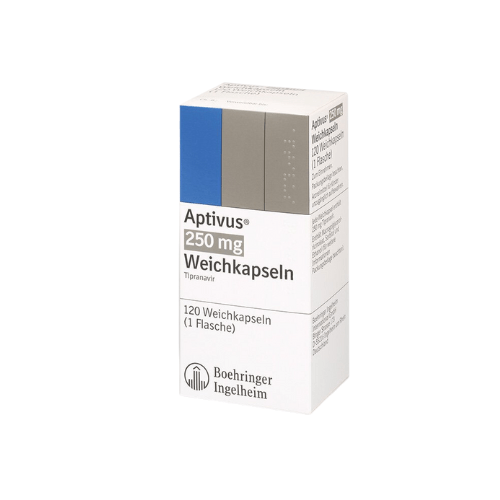
Aptivus
Buy Aptivus Online
Secure Encrypted Payments
Aptivus is a brand-name HIV-1 medicine containing tipranavir, a protease inhibitor used with ritonavir and other antiretroviral medicines. You can buy Aptivus online, view current price information during ordering, and choose the available strength or form that matches the directions from your HIV care clinician. BorderFreeHealth can coordinate U.S. shipping from Canada for eligible orders through licensed pharmacy channels.
This medicine is generally used in treatment-experienced adults whose HIV-1 has resistance to more than one protease inhibitor. It is not a cure for HIV, and it should be taken only as part of a complete antiretroviral regimen designed to suppress viral replication and reduce the risk of further resistance.
Aptivus Price, Forms, and Ordering Basics
Aptivus cost can vary by form, quantity, supply route, and whether a cash-pay customer is using insurance alternatives. During ordering, the current Aptivus price is shown before checkout so you can match the medicine, strength, and quantity to the directions already provided by your care team. If you pay out of pocket, keeping your medication list and clinician contact information current may help avoid delays when details need confirmation.
The commonly referenced capsule presentation is Aptivus 250 mg capsules. Tipranavir has also been marketed as an oral solution, and country-specific availability can differ by supply channel. Choose the Aptivus dose or strength shown during ordering only when it aligns with your clinical directions, because HIV regimens depend on resistance history, other active medicines, and tolerability.
| Product attribute | Practical meaning |
|---|---|
| Active ingredient | Tipranavir, an HIV-1 protease inhibitor. |
| Common capsule strength | 250 mg capsules, taken as directed with ritonavir and other HIV medicines. |
| Other marketed form | Oral solution may be used when a liquid formulation is clinically appropriate. |
| Service context | Ships from Canada to US orders through licensed pharmacy channels when order requirements are met. |
Quick tip: Match the strength and form to your existing regimen before submitting an order.
What Aptivus Is Used For
Aptivus is used to treat HIV-1 infection in certain treatment-experienced adults. It is co-administered with ritonavir, which boosts tipranavir levels, and it is combined with other antiretroviral medicines. The goal of treatment is to lower HIV viral load, preserve immune function, and reduce the chance that the virus will develop additional resistance.
Tipranavir is usually considered when earlier HIV medicines have not provided enough control or when resistance testing suggests a role for this protease inhibitor. For a broader explanation of treatment monitoring, HIV care topics can help connect viral load results, immune status, and long-term follow-up.
Tipranavir is still used in selected situations, but it is not among the most common first-line HIV medicines today. Many modern regimens use integrase inhibitors or other agents first. Protease inhibitors remain important for some people because resistance patterns, past treatment exposure, liver function, drug interactions, and adherence needs can make one regimen more appropriate than another.
How Tipranavir Works With Ritonavir
Tipranavir blocks HIV protease, an enzyme the virus needs to make mature infectious copies of itself. When protease is inhibited, newly made virus particles are less able to spread infection to other cells. This mechanism makes tipranavir part of the antiretroviral class known as protease inhibitors.
Ritonavir is used with Aptivus as a pharmacokinetic booster. In plain terms, it slows certain drug-metabolizing pathways so tipranavir stays at more useful levels in the body. That same boosting effect also explains why interaction screening is so important: many medicines, supplements, and recreational substances may be affected by the same enzyme pathways.
Aptivus is not used alone. HIV treatment requires a combination of active medicines, because using too few active drugs can allow the virus to keep replicating and may promote resistance. Skipped doses, unplanned treatment gaps, or changes made without medical guidance can reduce regimen effectiveness.
Dosage and Use Considerations
The adult capsule regimen commonly described in product labeling is tipranavir 500 mg, taken as two 250 mg capsules, twice daily with ritonavir 200 mg twice daily and food. Your actual regimen may depend on your full HIV treatment plan, other medicines, and clinical monitoring. Do not change the dose, stop therapy, or substitute another HIV medicine without speaking with your HIV care team.
Taking Aptivus with food and ritonavir is part of labeled use for the capsule regimen. Food can help support the intended exposure when used as directed. If a dose is missed, product labeling generally advises taking it as soon as remembered unless it is close to the next dose; taking extra doses to make up for a missed dose can increase safety risks.
When an oral solution is used, measuring carefully matters. Household spoons are not reliable dosing tools. Use the measuring device supplied or recommended by the pharmacy, and ask for clarification if the amount on the label is unclear. Children, adults who have difficulty swallowing, and people with specific clinical needs may require different handling discussions with their care team.
Storage and Travel Handling
Storage instructions differ between capsules and oral solution. Aptivus capsules are commonly refrigerated before the bottle is first opened. After opening, capsule bottles are often kept at room temperature for a limited labeled period, with many labels advising disposal after 60 days once opened. Always follow the container label supplied with your medicine.
The oral solution is typically stored at room temperature and should not be refrigerated or frozen. Heat, freezing, or long exposure inside a parked car can affect medicine quality. If the bottle has been exposed to unusual conditions, ask the dispensing pharmacy for guidance rather than guessing whether the medicine is still suitable.
Travel is easier when Aptivus remains in its original labeled container. Keep it with your regular medicines, bring enough supply for the trip, and avoid packing it where temperature swings are likely. If you cross borders, carrying clinician documentation and the original label can help explain why the medicine is with you.
Side Effects, Boxed Warnings, and Monitoring
Common side effects reported with tipranavir-based therapy include diarrhea, nausea, stomach discomfort, vomiting, fatigue, headache, fever, and changes in blood fats. Rash can occur and may require medical attention, especially if it is severe, widespread, blistering, or accompanied by fever. Some people also experience changes in liver tests or lipid levels during treatment.
Aptivus labeling carries serious warnings for liver toxicity and intracranial hemorrhage, which means bleeding in or around the brain. Liver risk can be higher in people with chronic hepatitis B or C or abnormal liver function before treatment. Warning symptoms can include yellowing of the skin or eyes, dark urine, severe tiredness, persistent nausea, right upper abdominal pain, confusion, sudden severe headache, weakness, or vision changes.
Why it matters: Serious liver or bleeding symptoms need urgent medical evaluation.
Monitoring commonly includes liver function tests, lipid panels, HIV viral load, CD4 counts, and a review of side effects over time. Effective antiretroviral therapy can also trigger immune reconstitution inflammatory syndrome, where the recovering immune system reacts to hidden or previous infections. New fever, swollen glands, worsening cough, or unexplained inflammation after starting or changing HIV therapy should be discussed promptly.
Drug Interactions and Precautions
Tipranavir with ritonavir has many clinically significant drug interactions. The boosted regimen affects enzymes and transporters that handle other medicines, which can raise some drug levels to unsafe amounts or lower other drug levels enough to reduce benefit. Interaction screening should include prescription medicines, over-the-counter products, inhalers, herbal supplements, vitamins, and recreational substances.
Important interaction areas include certain cholesterol medicines, sedatives, antiarrhythmics, anticoagulants, anticonvulsants, tuberculosis medicines, hepatitis treatments, and some erectile dysfunction medicines. St. John’s wort is generally avoided with many HIV medicines because it can lower antiretroviral exposure. Hormonal contraceptives may also be affected, so a clinician may recommend additional or alternative contraception.
Aptivus may not be appropriate for people with significant liver disease, a history of certain bleeding problems, or situations where interacting medicines cannot be safely changed. Before starting or refilling tipranavir, share any history of hepatitis, hemophilia, recent surgery, head injury, abnormal bleeding, or use of blood thinners. This helps the care team weigh benefit against preventable risk.
How Aptivus Compares With Other HIV Medicines
Aptivus belongs to the protease inhibitor class. Darunavir and atazanavir are also antiretroviral medicines in or near the protease inhibitor treatment space; they are not antibiotics. Antibiotics treat bacterial infections, while HIV medicines target viral replication. The right choice depends on resistance testing, prior treatment exposure, interactions, kidney and liver function, pregnancy considerations, and other health needs.
Many people now use regimens built around integrase inhibitors, nucleoside reverse transcriptase inhibitors, or newer combination tablets. Tipranavir has a narrower role because it is mainly reserved for treatment-experienced HIV-1 with particular resistance patterns. That does not make it outdated for every person; it means the medicine is used selectively when its resistance profile and risks make sense.
For customers reviewing nearby antiretroviral categories, the antiviral medicines category can help place Aptivus within broader HIV and antiviral treatment choices. Country-of-origin browsing through Canada-sourced medicines may also be useful when evaluating cross-border cash-pay options, but clinical fit should remain the first decision point.
Cash-Pay Planning and Refills
Aptivus cash price and out-of-pocket cost can matter when insurance is limited, changing, or unavailable. Because HIV therapy is continuous, planning ahead is especially important. Check the current price during ordering, confirm the quantity needed for your refill interval, and leave enough time for routine order review and pharmacy processing.
Tipranavir is used with ritonavir and other HIV medicines, so the total monthly cost may include more than Aptivus alone. Ask your care team whether all regimen components should be refilled on the same schedule. Aligning refill dates can reduce gaps and make adherence easier, especially when multiple bottles or formulations are involved.
If your regimen changes, do not continue ordering the previous medicine automatically. Resistance results, liver tests, new interactions, or side effects may lead the care team to modify therapy. Keeping an updated medication list helps ensure that the next order reflects the current plan.
Authoritative Sources
Official labeling and established HIV references give the most detailed information on indications, dosing, boxed warnings, contraindications, storage, and interaction tables. These sources are useful when discussing tipranavir with a clinician or pharmacist.
- DailyMed tipranavir labeling
- European Medicines Agency Aptivus medicine record
- NIH ClinicalInfo HIV treatment resources
This content is for informational purposes only and is not a substitute for professional medical advice.
Express Shipping - from $29.99
Shipping with this method takes 3-5 days
Prices:
- Dry-Packed Products $29.99
- Cold-Packed Products $39.99
Shipping Countries:
- United States (all contiguous states**)
- Worldwide (excludes some countries***)
Standard Shipping - $19.99
Shipping with this method takes 5-10 days
Prices:
- Dry-Packed Products $19.99
- Not available for Cold-Packed products
Shipping Countries:
- United States (all contiguous states**)
- Worldwide (excludes some countries***)
What is Aptivus used for?
Aptivus is used with ritonavir and other HIV-1 medicines to treat certain treatment-experienced adults with HIV-1 infection. It is generally considered when resistance to other protease inhibitors affects regimen choices.
Is tipranavir still used?
Yes, tipranavir may still be used in selected HIV-1 treatment situations, especially when resistance testing supports its role. It is not commonly used as a first-line medicine in many modern regimens.
Why is Aptivus taken with ritonavir?
Ritonavir boosts tipranavir levels by affecting drug-metabolizing enzymes. This helps maintain intended exposure, but it also increases the importance of checking for interactions with other medicines and supplements.
What are serious Aptivus safety warnings?
Aptivus labeling highlights serious risks including liver toxicity and intracranial hemorrhage. Symptoms such as yellow skin or eyes, dark urine, sudden severe headache, confusion, weakness, or unusual bleeding need urgent medical attention.
How should Aptivus capsules be stored?
Aptivus capsules are commonly refrigerated before opening. After first opening, many labels allow room-temperature storage for a limited period and advise discarding after 60 days. Always follow the container label you receive.
Is Aptivus the same as tipranavir?
Aptivus is the brand name for tipranavir. Tipranavir is the active ingredient and belongs to the HIV protease inhibitor class.
Rewards Program
Earn points on birthdays, product orders, reviews, friend referrals, and more! Enjoy your medication at unparalleled discounts while reaping rewards for every step you take with us.
You can read more about rewards here.
POINT VALUE
How to earn points
- 1Create an account and start earning.
- 2Earn points every time you shop or perform certain actions.
- 3Redeem points for exclusive discounts.
You Might Also Like
Select options
This product has multiple variants. The options may be chosen on the product page
Select options
This product has multiple variants. The options may be chosen on the product page
Select options
This product has multiple variants. The options may be chosen on the product page
Select options
This product has multiple variants. The options may be chosen on the product page