

Please note: a valid prescription is required for all prescription medication.

Atazanavir
Buy Atazanavir Online
Secure Encrypted Payments
Atazanavir is an antiretroviral protease inhibitor used with other HIV medicines to help control HIV-1 infection. You can buy Atazanavir online and choose the dose or strength shown during ordering, then match it to the directions from your HIV care team. BorderFreeHealth offers US delivery from Canada for customers seeking a regulated pharmacy supply route and clear cash-pay information.
Atazanavir Price, Strengths, and Ordering
Atazanavir price can vary by strength, quantity, manufacturer, and current supply. During checkout, select the capsule strength that matches your treatment plan and review the current cash price before completing your order. Many people compare Atazanavir cash price because HIV treatment is long term and monthly out-of-pocket costs can affect adherence planning.
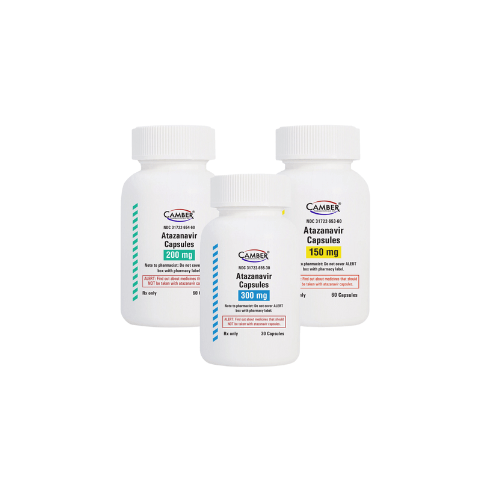
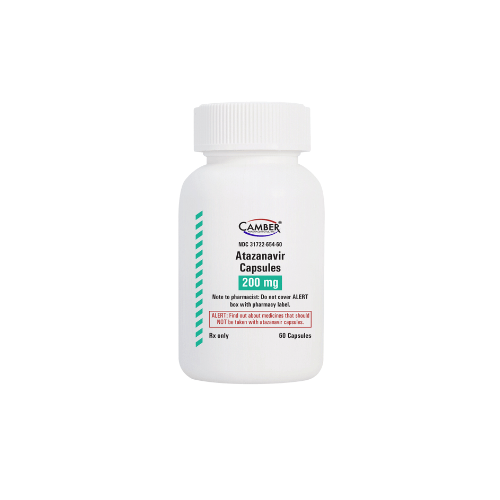
Common capsule strengths include 150 mg, 200 mg, and 300 mg. Adult regimens often use once-daily dosing with food, sometimes with a pharmacokinetic enhancer such as ritonavir or cobicistat when directed by the official label and clinical plan. Do not switch between strengths, boosters, or companion HIV medicines unless your HIV care team tells you to do so.
Generic Atazanavir price is often a practical consideration for people paying without insurance. Generic products contain the active ingredient atazanavir, while Reyataz is a brand name associated with atazanavir sulfate. Brand and generic naming, manufacturers, and market availability can differ between countries, so focus on the active ingredient, strength, and directions that appear on your medication label.
Quick tip: Set a refill reminder before your current bottle runs low so missed doses do not interrupt therapy.
What Atazanavir Treats
Atazanavir is used as part of combination antiretroviral therapy for HIV-1 infection. It is not used alone, because HIV treatment usually requires multiple medicines that work at different points in the viral life cycle. Consistent daily use, routine lab monitoring, and a complete regimen help reduce the amount of virus in the blood.
For condition background and related treatment planning, the HIV condition category provides broader context. If you are reviewing other antiviral medicines, the antivirals category can help you understand nearby options sold through the store.
Atazanavir does not cure HIV. It can help maintain viral suppression when taken correctly with the rest of the regimen. Lower viral load supports immune health and reduces the risk of HIV-related complications, but ongoing care remains important.
How This Protease Inhibitor Works
Atazanavir belongs to a class called HIV protease inhibitors. HIV protease is an enzyme the virus uses to process proteins needed for new infectious virus particles. By blocking that enzyme, atazanavir helps prevent new virus from maturing properly.
The medicine is usually taken with food because food improves absorption. Some regimens include a booster that raises atazanavir levels in the body. Acid-reducing medicines can reduce absorption, so antacids, H2 blockers, and proton pump inhibitors need careful timing and may not suit every regimen.
Atazanavir is still used in selected HIV treatment plans, although many newer regimens are also available. The right choice depends on resistance history, prior medicines, side effects, other health conditions, drug interactions, and treatment goals. Your HIV care team may consider atazanavir when its benefits and interaction profile fit your situation.
Forms, Strengths, and Daily Use Basics
Atazanavir is commonly supplied as capsules for adults, with 150 mg, 200 mg, and 300 mg strengths described in labeling. Some markets also describe pediatric oral powder, which is handled differently from capsules. If your order involves capsules, swallow them whole with water and take them with a meal unless the label on your medicine says otherwise.
A consistent schedule helps maintain steady drug levels. Take the medicine at the same time each day and keep it paired with the companion HIV medicines in your regimen. If a booster is part of your plan, it is typically taken at the same meal as atazanavir.
If you miss a dose, follow the instructions that came with your medicine or contact your care team for individualized guidance. Do not double doses to make up for a missed dose unless a clinician specifically tells you to. If vomiting occurs soon after dosing, ask for advice because the next step can depend on timing and your full regimen.
Storage, Travel, and Handling
Store Atazanavir capsules at room temperature in a dry place. Keep the bottle tightly closed, away from excess heat, humidity, children, and pets. Bathrooms, glove compartments, and windowsills are poor storage locations because temperature and moisture can change quickly.
When traveling, keep the medicine in its original labeled container. Carry it in hand luggage rather than checked luggage to reduce the risk of loss or temperature exposure. A medication list can help if you need urgent medical care while away from home.
Orders may be handled with prompt, express shipping. Plan ahead for refills, holidays, and travel because HIV medicines work best when doses are not skipped. If your supply changes appearance after a manufacturer change, confirm the active ingredient and strength on the container before taking it.
Side Effects, Warnings, and Monitoring
Common side effects may include nausea, diarrhea, headache, stomach discomfort, fatigue, insomnia, and mild rash. Atazanavir can also raise bilirubin, a substance made when the body breaks down red blood cells. This bilirubin increase may cause yellowing of the eyes or skin and is often not the same as liver injury, but it still deserves clinical review if symptoms are new, worsening, or accompanied by pain.
Serious reactions are less common but important. Contact a clinician urgently for severe rash, blistering, swelling, trouble breathing, chest symptoms, fainting, dark urine, severe abdominal pain, or yellowing with illness. Labeling also discusses liver problems, gallstones, kidney stones, and heart rhythm conduction changes such as PR interval prolongation.
Monitoring often includes HIV viral load, CD4 count, liver tests, bilirubin, kidney-related labs, and review of side effects. People with hepatitis B or C, prior liver disease, kidney stone history, gallbladder problems, or heart conduction issues may need closer assessment. Starting HIV therapy can also unmask inflammatory symptoms as the immune system recovers, sometimes called immune reconstitution.
Weight gain is not usually described as the hallmark effect of atazanavir. Body weight can change after HIV treatment starts or changes, and many factors may contribute, including improved health, diet, other medicines, and metabolic changes. Report unexpected weight changes so your care team can assess the full regimen and your overall health.
Drug Interactions and Suitability
Atazanavir has important drug interaction considerations because it is affected by CYP3A, a liver enzyme pathway involved in many medicines. Strong inducers such as rifampin or St. John’s wort can lower atazanavir levels and may make HIV treatment less effective. Some ergot medicines, certain sedatives, antiarrhythmics, and cholesterol medicines can also be unsafe or require a different plan.
Acid-reducing medicines need special attention. Proton pump inhibitors, H2 blockers, antacids, and buffered products can reduce atazanavir absorption. Timing rules and dose limits depend on whether atazanavir is boosted and whether someone is treatment-experienced, so use the official label and individualized clinical directions.
Tenofovir-containing regimens, hormonal contraceptives, anticoagulants, seizure medicines, and hepatitis C therapies may also need review. Share all prescription medicines, over-the-counter products, vitamins, and herbal supplements with your HIV care team. Do not start or stop interacting medicines without a plan for monitoring and timing.
What to Expect During Treatment
With steady use as part of a complete regimen, many people see viral load improve over time. Lab timing varies by individual plan, prior treatment history, and whether the regimen is new or stable. Early side effects may ease, but persistent or severe symptoms should be addressed rather than ignored.
Adherence is central to HIV care. Missed doses can allow viral replication and may contribute to resistance, especially when several doses are missed or the companion medicines are not taken together as intended. A pill organizer, phone alarm, or meal-based routine can make daily dosing easier.
Atazanavir may fit people who can take a once-daily protease inhibitor with food and do not have major conflicts with other medicines. It may not fit people with certain liver problems, specific heart conduction concerns, or unavoidable interacting drugs. Individual suitability depends on the full medical picture, not the product name alone.
How Atazanavir Compares With Other HIV Options
HIV regimens are chosen based on resistance testing, prior exposure, kidney and liver health, convenience, interaction risk, pregnancy considerations, and tolerability. Atazanavir is a protease inhibitor, while other HIV medicines may be integrase inhibitors, nucleoside reverse transcriptase inhibitors, non-nucleoside reverse transcriptase inhibitors, entry inhibitors, or pharmacokinetic enhancers.
Compared with some newer single-tablet regimens, atazanavir may require more attention to food, boosters, acid-reducing medicines, and bilirubin-related yellowing. For some people, its long clinical history and once-daily use remain useful. A regimen that works well, is tolerated, and can be taken consistently is usually more valuable than a regimen chosen only for convenience.
When evaluating alternatives, ask about resistance results, pill burden, meal timing, interaction checks, expected monitoring, and side effect trade-offs. If cost is a major issue, compare current cash-pay totals across the complete regimen, not just one medicine.
Cash-Pay Planning and Canadian Supply
Atazanavir from Canada may help customers review a different cash-pay route for a chronic HIV medicine. View the current Atazanavir price during ordering and confirm the strength and quantity before payment. Because HIV treatment is continuous, total monthly regimen cost matters more than a single bottle price.
Customers paying without insurance often look at generic Atazanavir 300 mg, 200 mg, or 150 mg capsule costs when those strengths match their plan. If your regimen uses a booster or companion medicines, include those products when estimating out-of-pocket spending. A lower price on one medication is only helpful if the full regimen remains clinically appropriate and uninterrupted.
We may review order details for accuracy and pharmacy supply requirements before the medication is released through licensed pharmacies. Keep your contact information current so questions about strength, quantity, or medication history can be resolved quickly.
Questions to Ask Your HIV Care Team
- Is atazanavir appropriate for my resistance history and prior HIV medicines?
- Should my regimen include ritonavir or cobicistat as a booster?
- How should I handle antacids, H2 blockers, or proton pump inhibitors?
- Which side effects should prompt urgent medical care?
- How often should viral load, CD4 count, liver tests, bilirubin, and kidney labs be monitored?
- Are any of my current medicines, supplements, or herbal products unsafe with atazanavir?
- What should I do if travel or shipping timing could affect my refill schedule?
Authoritative Sources
MedlinePlus drug information for atazanavir
REYATAZ U.S. prescribing information
NIH patient drug record for atazanavir
This content is for informational purposes only and is not a substitute for professional medical advice.
eGFR Calculator
Estimate kidney filtration using the 2021 CKD-EPI creatinine equation.
eGFR
-
mL/min/1.73 m2
G category
-
requires clinical context
These calculations are for education only and do not replace clinical advice, diagnosis, or treatment. Always confirm medical decisions with a qualified healthcare professional.
Creatinine Clearance Calculator
Estimate creatinine clearance using the Cockcroft-Gault equation.
CrCl
-
mL/min estimate
These calculations are for education only and do not replace clinical advice, diagnosis, or treatment. Always confirm medical decisions with a qualified healthcare professional.
Cholesterol Ratio Calculator
Calculate common lipid ratios and non-HDL cholesterol from a standard cholesterol panel.
Total / HDL
-
cholesterol ratio
LDL / HDL
-
lipid ratio
Non-HDL
-
total minus HDL
These calculations are for education only and do not replace clinical advice, diagnosis, or treatment. Always confirm medical decisions with a qualified healthcare professional.
LDL Cholesterol Calculator
Estimate LDL cholesterol from total cholesterol, HDL, and triglycerides using the Friedewald equation.
Estimated LDL
-
Friedewald estimate
Non-HDL
-
total minus HDL
These calculations are for education only and do not replace clinical advice, diagnosis, or treatment. Always confirm medical decisions with a qualified healthcare professional.
Cholesterol Unit Converter
Convert cholesterol and triglyceride values between mg/dL and mmol/L.
mg/dL
-
US lipid unit
mmol/L
-
-
These calculations are for education only and do not replace clinical advice, diagnosis, or treatment. Always confirm medical decisions with a qualified healthcare professional.
Express Shipping - from $29.99
Shipping with this method takes 3-5 days
Prices:
- Dry-Packed Products $29.99
- Cold-Packed Products $39.99
Shipping Countries:
- United States (all contiguous states**)
- Worldwide (excludes some countries***)
Standard Shipping - $19.99
Shipping with this method takes 5-10 days
Prices:
- Dry-Packed Products $19.99
- Not available for Cold-Packed products
Shipping Countries:
- United States (all contiguous states**)
- Worldwide (excludes some countries***)
What is Atazanavir used for?
Atazanavir is used with other antiretroviral medicines to treat HIV-1 infection. It helps reduce viral replication as part of a complete HIV regimen, but it does not cure HIV.
What is the most common side effect of Atazanavir?
Common side effects include nausea, diarrhea, headache, stomach discomfort, fatigue, insomnia, rash, and bilirubin-related yellowing of the eyes or skin. Severe rash, chest symptoms, dark urine, or significant abdominal pain should be addressed urgently.
Is Atazanavir still used for HIV treatment?
Yes, atazanavir is still used in selected HIV regimens. Its fit depends on resistance history, prior therapy, side effects, drug interactions, liver health, and whether the regimen can be taken consistently with food.
Does Atazanavir cause weight gain?
Weight gain is not usually considered the defining side effect of atazanavir. Weight changes can occur during HIV treatment for many reasons, including improved health, other medicines, diet, and metabolic factors.
Can Atazanavir be taken with acid-reducing medicines?
Acid-reducing medicines can lower atazanavir absorption. Antacids, H2 blockers, and proton pump inhibitors may require spacing, limits, or avoidance depending on the regimen, booster use, and treatment history.
Rewards Program
Earn points on birthdays, product orders, reviews, friend referrals, and more! Enjoy your medication at unparalleled discounts while reaping rewards for every step you take with us.
You can read more about rewards here.
POINT VALUE
How to earn points
- 1Create an account and start earning.
- 2Earn points every time you shop or perform certain actions.
- 3Redeem points for exclusive discounts.
You Might Also Like
Select options
This product has multiple variants. The options may be chosen on the product page
Select options
This product has multiple variants. The options may be chosen on the product page
Select options
This product has multiple variants. The options may be chosen on the product page
Select options
This product has multiple variants. The options may be chosen on the product page