

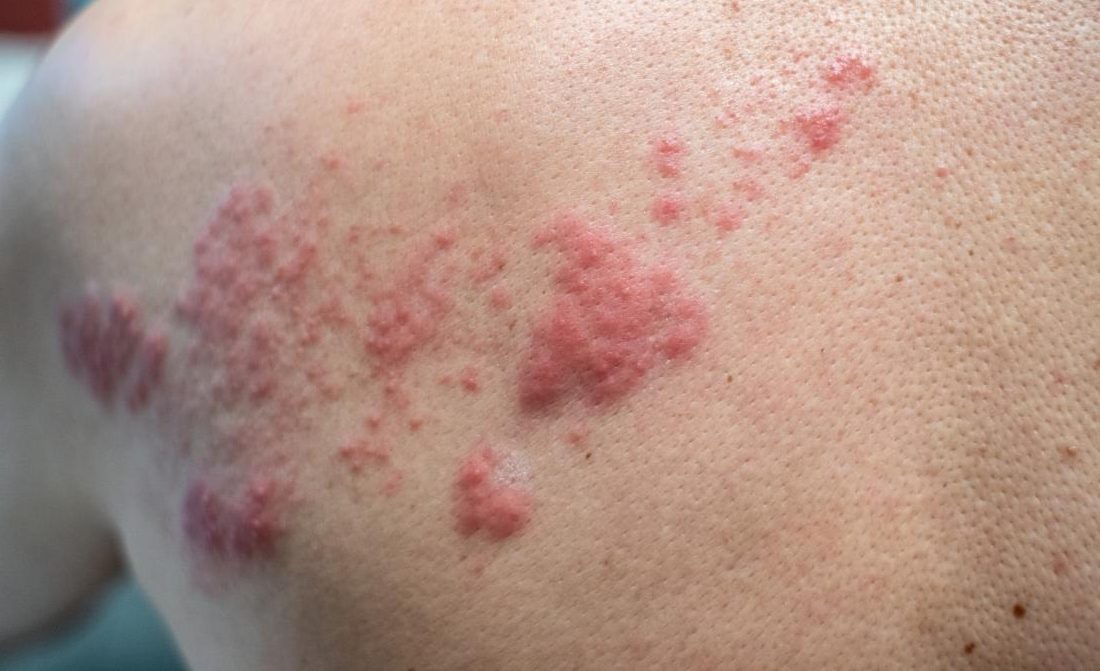
Early herpes symptoms often start before any sore appears. Many people first notice tingling, burning, itching, tenderness, or nerve-like pain in one small area. Blisters, shallow ulcers, crusting, painful urination, swollen lymph nodes, or flu-like symptoms may follow, especially during a first outbreak. These signs can be stressful and easy to misread, so the pattern matters: where symptoms appear, whether they return, and whether warning sensations come before visible sores.
Key Takeaways
- Early clues: Tingling, burning, itching, or tenderness may come first.
- Visible sores: Blisters can open into painful shallow ulcers.
- Mild cases: Some people have herpes symptoms without obvious sores.
- First outbreaks: Fever, body aches, and swollen nodes are more common.
- Urgent signs: Eye symptoms, pregnancy, severe pain, or trouble urinating need prompt care.
Early Herpes Symptoms and the Prodrome Stage
The first warning sign is often a prodrome, which means symptoms that appear before a visible outbreak. Herpes prodrome symptoms may include tingling, itching, burning, prickling, stabbing pain, or unusual skin sensitivity. The skin can look normal at this point.
This is why early herpes symptoms are often confused with chafing, razor burn, folliculitis, hemorrhoids, yeast irritation, contact dermatitis, or an ingrown hair. A single symptom rarely proves the cause. A repeated pattern in the same area is more useful.
When sores appear, they often begin as red or tender bumps. They may then form vesicles, which are small fluid-filled blisters. Those blisters can break into shallow ulcers. On dry skin, the area may crust. On moist tissue, it may stay raw rather than scab.
People often ask what herpes looks like. There is no single appearance every time. A common pattern is grouped blisters on a red base, followed by painful open sores and then healing skin. Some outbreaks are subtle, with only one sore or a raw patch.
There is no official medical list of the 7 warning signs of herpes. Still, common clues include tingling, itching, burning, tenderness, redness, small blisters, and skin pain. Fever or swollen lymph nodes can also appear, especially with a first episode.
Why it matters: The warning stage can be the clearest clue before sores develop.
How Oral, Genital, and Anal Herpes Can Feel Different
Herpes simplex virus, or HSV, has two main types. HSV-1 is often linked with oral herpes and cold sores. HSV-2 is more often linked with genital herpes. However, either type can affect the mouth, genitals, or nearby skin.
Oral herpes symptoms often start with lip tingling, itching, burning, or tenderness. Small grouped blisters may appear around the lips, nose, or nearby skin. These are commonly called cold sores. A first oral infection can sometimes cause mouth pain, swollen gums, painful swallowing, or a sore throat.
Genital herpes symptoms may affect the vulva, vagina, cervix, penis, scrotum, buttocks, upper thighs, or skin around the anus. People may notice itching or burning first. Later, blisters or shallow sores may appear. Urination can sting if urine touches irritated skin.
Herpes symptoms in women can be harder to see when sores are inside the vagina or on the cervix. Pain, burning, discharge changes, or soreness may stand out more than visible bumps. Herpes symptoms in men may be easier to notice on outer skin, but they are still often mistaken for shaving irritation or folliculitis.
Anal herpes symptoms can include itching, burning, rectal pain, sores near the anus, or painful bowel movements. Some people feel pain that radiates into the buttocks or thighs before sores appear. For a more focused discussion, see Anal Herpes Symptoms.
HSV-1 can also cause genital symptoms after oral-genital contact. HSV-2 can affect the mouth less often. The type matters for counseling and recurrence patterns, but the body area involved and symptom pattern often matter most when deciding what to do next.
Why Herpes Is Easy to Mistake for Something Else
Herpes warning signs overlap with many common skin and genital conditions. Razor burn can cause red bumps after shaving. Folliculitis can create tender pustules around hair follicles. Yeast irritation can cause burning and raw skin without blisters. Hemorrhoids or fissures can cause anal pain.
Mouth symptoms can also be confusing. Canker sores usually occur inside the mouth and are not the same as cold sores on the lip border. Acne, chapped lips, allergic reactions, and bacterial skin infections can also look similar in early stages.
Timing helps separate possibilities. Herpes often returns near the same spot and may be preceded by tingling or burning. Sores may evolve from redness to blisters, then to open ulcers and healing skin. Even so, photos alone cannot confirm herpes.
Skin tone, friction, timing, and body location all change how lesions look. A rash may look different on the lip, vulva, penis, anus, or buttock. If symptoms keep recurring, testing during an active sore is more useful than comparing images online.
First Outbreaks Versus Recurrent Herpes Symptoms
A first herpes outbreak is often more intense than later recurrences. The immune system has not yet built a response to the virus, so symptoms may be wider, more painful, or more systemic.
First herpes outbreak symptoms may include multiple sores, swelling, fever, chills, headache, fatigue, body aches, and swollen lymph nodes. Groin nodes may swell with genital outbreaks. Neck or jaw nodes may swell with oral outbreaks.
Some people also have pain with urination, trouble sitting, or soreness while walking. These symptoms can lead people to suspect a urinary tract infection, severe irritation, or flu-like illness before herpes is considered.
Recurrent herpes symptoms are usually milder. A person may notice tingling before a herpes outbreak, then one or two small lesions. Fever is less common during recurrences. The outbreak may also heal faster than the first episode, though timing varies.
Herpes symptoms without sores can happen. Some episodes stay mild, and some people never notice classic blisters. Others only realize the pattern after symptoms return in the same place during stress, illness, sun exposure, or friction.
How long herpes symptoms last depends on the site, whether it is a first or recurrent episode, immune health, and whether treatment starts early. A clinician can help determine whether testing, antiviral treatment, or follow-up is appropriate. For broader management context, see Herpes Treatment.
Common Herpes Outbreak Triggers
Herpes flare-ups happen because HSV can stay dormant in nearby nerve cells and reactivate later. A trigger does not create herpes by itself. The virus must already be present.
Common herpes outbreak triggers may include physical or emotional stress, illness, fever, lack of sleep, local skin friction, sexual activity during irritation, menstruation for some people, and immune strain. Oral herpes can also flare after sun exposure, dental work, or lip trauma.
Stress and herpes outbreaks are often linked by personal patterns, but stress is not the only factor. A recurrence may follow a cold, a sleepless week, skin rubbing, or no obvious trigger at all. This uncertainty is common and does not mean you caused the outbreak.
Foods that trigger herpes outbreaks are less predictable. There is no universal food list that applies to everyone. Some people suspect certain foods, but patterns can be mixed with alcohol, sleep loss, sun exposure, stress, or another illness happening at the same time.
Quick tip: Track symptoms, sleep, illness, sun exposure, friction, and stress across several episodes.
A short symptom journal can help you separate a real pattern from coincidence. It can also make a medical visit more productive, especially if symptoms are subtle or recurring.
Testing, Treatment Discussions, and Practical Next Steps
Testing is most useful when a clinician can swab a fresh sore. Polymerase chain reaction testing, often called PCR, can detect HSV genetic material from an active lesion. If the sore is already healing, there may be less virus on the surface to detect.
Blood tests can show past exposure to HSV-1 or HSV-2. They cannot always prove that a current rash is caused by herpes, and they do not show exactly where the infection is located. This is why timing and exam findings matter.
There is no instant home cure for herpes. Prescription antiviral medicines may be discussed for a first outbreak, frequent recurrences, severe symptoms, or transmission-risk counseling. A clinician can explain whether episodic treatment or daily suppressive treatment fits the situation.
Supportive care usually focuses on comfort and avoiding further irritation. Harsh scrubs, fragranced products, repeated rubbing, and picking at sores can make inflamed skin feel worse, whether the cause is herpes or something else.
If prescriptions are part of care, BorderFreeHealth connects U.S. patients with licensed Canadian partner pharmacies, and pharmacy teams verify prescription details with the prescriber when required. Some patients also use eligible cash-pay cross-border options without insurance, subject to applicable rules.
Details to note before an appointment
- Symptom start: When tingling, pain, or sores began.
- Location pattern: Whether symptoms return in the same area.
- Sore changes: Bumps, blisters, ulcers, crusting, or raw skin.
- Body symptoms: Fever, aches, fatigue, or swollen nodes.
- Urinary symptoms: Stinging, retention, or severe pain.
- Exposure context: New partners, oral-genital contact, or prior HSV history.
These details can help distinguish herpes simplex symptoms from yeast irritation, bacterial folliculitis, contact dermatitis, aphthous ulcers, hemorrhoids, or fissures. They can also guide whether a swab, blood test, or other exam is appropriate.
When Herpes Symptoms Need Prompt Medical Care
Some symptoms should not wait for routine follow-up. Eye pain, eye redness, light sensitivity, or vision changes need urgent evaluation because herpes near the eye can threaten vision.
New genital sores during pregnancy also deserve prompt medical attention. A first genital outbreak late in pregnancy can affect delivery planning and newborn risk discussions. People who are pregnant should contact their pregnancy care team for individualized guidance.
Severe genital pain, inability to urinate, dehydration, high fever, or widespread sores should be assessed quickly. People with weakened immune systems, including those with HIV or those taking immune-suppressing medicines, should also seek care sooner for new lesions.
If you are comparing symptoms and need related education, the Sexual Health collection includes broader STI topics. For virus-related reading beyond HSV, the Infectious Disease collection may also be useful.
It can also help to understand how herpes differs from other recurring viral conditions. For example, Chickenpox vs Shingles explains another herpesvirus family pattern, though it involves a different virus than HSV.
Authoritative Sources
- American Academy of Dermatology on genital herpes signs
- WHO herpes simplex virus fact sheet
- ACOG genital herpes questions and answers
Herpes symptoms can be obvious, mild, or easy to mistake for something else. Tingling, burning, painful sores, and a recurring pattern in the same area are common clues. Testing during an active sore is often the clearest way to confirm the cause.
This content is for informational purposes only and is not a substitute for professional medical advice.


