

Please note: a valid prescription is required for all prescription medication.
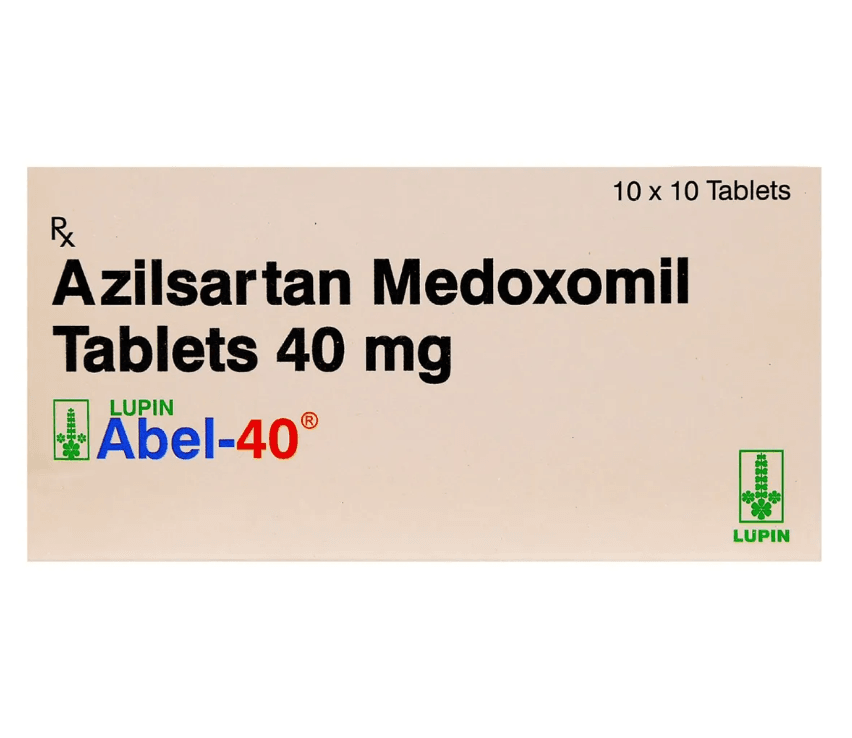
Abel
Abel Prescription Product Uses and Safety Overview
Price:
$69.99
Secure Encrypted Payments
Abel is a prescription product listing available through BorderFreeHealth. Its labeled use, dosing directions, and safety details depend on the exact medication dispensed under the prescription. This page explains how to confirm what is in the package and what to review before and after dispensing.
What Abel Is and How It Works
On BorderFreeHealth, Abel refers to a prescription item dispensed after the pharmacy receives a valid prescription; Ships from Canada to US may be available where permitted. BorderFreeHealth coordinates dispensing through licensed Canadian partner pharmacies. Because the name alone does not describe the active ingredient, the most reliable way to understand what the medicine does is to check the pharmacy label and accompanying manufacturer information.
In general, prescription therapies work by targeting a specific pathway in the body, such as lowering blood pressure, reducing inflammation, controlling infection, or replacing a missing hormone. The mechanism of action (how the drug works) depends on the active ingredient and its drug class. Key identifiers to look for include the generic name, strength, dosage form, and any unique product code or monograph reference. If anything on the label differs from what the prescriber discussed, the safest next step is to clarify with the dispensing pharmacy before starting the medicine.
Who It’s For
Abel is intended only for patients who have a prescription written for that specific product and directions. The right candidate depends on the diagnosis, medical history, other medicines, and the prescriber’s treatment goal. For veterinary prescriptions, factors like species, weight, and concurrent conditions can also affect whether a medication is appropriate.
Contraindications (reasons a medicine should not be used) and precautions vary widely by active ingredient. Common examples across many prescription drugs include known allergy to an ingredient, certain severe kidney or liver problems, and specific heart rhythm conditions. Some therapies also require extra caution during pregnancy or breastfeeding, or in very young or older patients. For condition-based browsing, the Hypertension hub lists related options and may help narrow the context before discussing choices with a clinician.
Dosage and Usage
Dosing for Abel should follow the prescription label exactly, including how often it is taken, whether it is taken with food, and any instructions about splitting tablets or measuring liquids. Many medications have different schedules based on the condition being treated, patient age, kidney function, or response over time. Because of that variability, “standard dosing” is not always meaningful without the official directions tied to the prescription.
When required, the pharmacy confirms prescription details with the prescriber. If a dose is missed, labeling often gives specific instructions on what to do next, and those instructions can differ by medication type. For a practical example of how dosing instructions can be tightly linked to the medicine and the patient’s needs, see the guide on Humulin N Insulin Guide. Any change in timing or dose should be reviewed by the prescribing clinician rather than guessed.
Why it matters: Small dosing changes can meaningfully alter safety for many prescription therapies.
Strengths and Forms
The available strengths and dosage forms for a product named Abel can vary by manufacturer and by what the prescriber selects. Common prescription presentations include tablets, capsules, oral liquids, topical formulations, or injectables, but not every medication is made in each form. Availability can also differ over time, and substitutions (such as a generic equivalent) may be appropriate only if allowed by the prescription and local rules.
To avoid mix-ups, the most useful details are the ones printed on the dispensed container and paperwork. If the package includes both a brand name and a generic name, the generic name is typically the best reference for checking interactions and safety information.
| Detail to confirm | Where to find it |
|---|---|
| Generic name | Pharmacy label and leaflet |
| Strength and form | Label, carton, blister pack |
| Directions | Prescription label |
| Refill status | Label or pharmacy paperwork |
Storage and Travel Basics
Storage requirements for Abel depend on the dosage form and ingredients, so the pharmacy label is the primary source. Many tablets and capsules are stored at controlled room temperature and protected from moisture, while some liquids, biologics, or reconstituted products may require refrigeration. Light sensitivity is another common issue, which is why medications are often dispensed in protective packaging.
For travel, it usually helps to keep the medicine in the original container with the prescription label intact. This reduces confusion and supports identification if questions arise during transport. Temperature extremes in cars, luggage holds, or direct sunlight can be problematic for many medications, even when the label seems simple. When a product includes a measuring device, using that device consistently can reduce dosing errors during trips.
Quick tip: Keep a photo of the label for reference if packaging is lost.
Side Effects and Safety
Side effects with Abel can range from mild and expected to serious and urgent, depending on the active ingredient and the patient’s health status. Many medications can cause temporary stomach upset, appetite changes, sleepiness, dizziness, or headache, especially when first started. Some therapies may also affect blood pressure, heart rate, blood sugar, or fluid balance, which is why monitoring plans are sometimes recommended by the prescriber.
Serious reactions generally require prompt medical evaluation. Examples can include signs of a severe allergic reaction (hives, swelling, trouble breathing), fainting, severe weakness, persistent vomiting or diarrhea, black or bloody stools, or sudden behavioral changes in pets. Because warning signs depend on the drug class, reviewing the official patient information supplied with the dispensed medication is important. For broader context on heart-related monitoring concepts, the resource Cardalis For Dogs Guide offers an overview of how clinicians think about safety when managing cardiovascular conditions.
Drug Interactions and Cautions
Drug interactions can occur with prescription medications, over-the-counter products, vitamins, and herbal supplements. The risk depends on the specific ingredient in Abel and the patient’s full medication list. Some interactions increase side effects, while others reduce effectiveness or change drug levels in the body. Alcohol can also be relevant for certain therapies, and some medications have food or grapefruit-related cautions.
Because interaction checking is ingredient-specific, the most helpful preparation is a complete, up-to-date list of everything the patient takes, including intermittent items. This list can then be reviewed by the prescriber or pharmacist when a new therapy is started. For an example of how antibiotic choices and precautions are framed for common infections, see What Is Clavamox Used For. That same “confirm the ingredient, then check compatibility” approach applies broadly across medication categories.
Compare With Alternatives
Alternatives to a product name like Abel depend on what the prescription is actually for and which active ingredient is being used. In many cases, options may include a generic version of the same ingredient, a different brand of the same ingredient, or another drug in the same therapeutic class. Non-drug measures can also be part of a care plan, depending on the condition and clinical goals. The most accurate comparisons start with the generic name on the label.
For browsing related products by therapeutic area, the Cardiovascular category is a navigable list of items on the site. For reference, BorderFreeHealth also maintains other prescription listings such as Previcox and ProZinc Vial, which are used in different clinical contexts and are not direct substitutes. When comparing, the prescriber can weigh diagnosis fit, dosing practicality, monitoring needs, and the patient’s comorbidities.
Pricing and Access
Costs for Abel can vary based on the dispensed strength, quantity, manufacturer, and whether a generic option is permitted. Some patients look for a cash-pay pathway, especially when without insurance, but access still depends on prescription requirements and the medication’s distribution rules. Cross-border access is cash-pay and depends on eligibility and jurisdiction.
For people trying to understand what influences medication access in cardiovascular care, browsing the Cardiovascular editorial hub can provide useful background alongside prescriber guidance. Practical preparation can also reduce delays: having the prescription details available, confirming the patient’s current medication list, and checking whether any monitoring is expected after starting therapy. The guide Safe Use Of Enalapril is one example of how follow-up considerations can differ across medicines.
Authoritative Sources
For the most reliable, up-to-date information, confirm the generic name and then consult official labeling or regulator-maintained databases. These sources are especially helpful for checking indications, contraindications, and interaction warnings tied to a specific ingredient and dosage form. A pharmacist or clinician can help interpret these documents in the context of the patient’s history.
For additional reference, these official resources can support ingredient-level verification:
- For U.S. label lookups, see FDA Drugs@FDA database.
- For Canadian product listings, consult Health Canada Drug Product Database.
- For consumer-friendly drug summaries, review MedlinePlus drug information.
When ready, submit the prescription details through the site and choose prompt, express shipping during checkout.
This content is for informational purposes only and is not a substitute for professional medical advice.
Express Shipping - from $25.00
Shipping with this method takes 3-5 days
Prices:
- Dry-Packed Products $25.00
- Cold-Packed Products $35.00
Shipping Countries:
- United States (all contiguous states**)
- Worldwide (excludes some countries***)
Standard Shipping - $15.00
Shipping with this method takes 5-10 days
Prices:
- Dry-Packed Products $15.00
- Not available for Cold-Packed products
Shipping Countries:
- United States (all contiguous states**)
- Worldwide (excludes some countries***)
Is Abel a prescription medication?
Abel is listed as a prescription product on BorderFreeHealth, which means dispensing generally requires a valid prescription from a licensed prescriber. The dispensing pharmacy must receive and review prescription information before the medication is prepared and released. Because product names can be reused across markets, the most important confirmation step is checking the generic name and directions printed on the pharmacy label and accompanying leaflet. If the label does not match the prescriber’s intended therapy, the safest approach is to clarify with the pharmacy and prescriber.
How can I confirm what active ingredient is in Abel?
The active ingredient is typically shown on the pharmacy label and any manufacturer information included with the package. Look for a “generic name,” which is the standard name used to check indications, interactions, and safety warnings. Also confirm the strength (for example, mg per tablet or mg/mL), dosage form (tablet, capsule, oral liquid, etc.), and directions. If the outer carton and label show different names, rely on the pharmacy label and contact the dispensing pharmacy for clarification before starting therapy.
What should I do if a dose of Abel is missed?
Instructions for missed doses depend on the medication’s active ingredient, how often it is taken, and the condition being treated. Some medicines allow taking the missed dose when remembered, while others advise skipping it if the next dose is near. Because these rules are not universal, the best source is the prescription label and the patient information leaflet provided with the dispensed product. If guidance is not clear, the prescriber or pharmacist can confirm what is safest based on the specific ingredient and schedule.
What side effects should be monitored while taking Abel?
Side effects vary widely based on the active ingredient in the dispensed product. Many prescription medicines can cause mild effects such as stomach upset, appetite changes, drowsiness, or dizziness, especially early on. More serious warning signs can include rash or swelling, breathing difficulty, fainting, severe weakness, persistent vomiting or diarrhea, or unusual bleeding. Monitoring plans, when needed, may include watching symptoms at home and periodic checks ordered by the prescriber. Any sudden or severe symptoms warrant prompt medical evaluation.
What should I ask a clinician or pharmacist before starting Abel?
Helpful questions focus on clarity and safety. Ask for the generic name, the reason it was prescribed, and what benefits are expected versus what would signal a problem. It can also help to confirm how and when to take it, whether food matters, and what to do if vomiting occurs or a dose is missed. Share a complete list of current medications and supplements to screen for interactions. If the patient has kidney, liver, or heart conditions, ask whether extra monitoring is recommended.
How should Abel be stored during travel or emergencies?
Storage should follow the directions on the pharmacy label, since requirements differ by product. Many solid oral forms do best in their original container, protected from moisture and heat. Some liquids or temperature-sensitive medicines may require refrigeration or protection from freezing, which is important for travel planning. Keeping the labeled container and a copy or photo of the prescription information can help with identification if packaging is damaged. If storage conditions were exceeded (heat, freezing, sunlight), a pharmacist can advise whether replacement is needed.
Rewards Program
Earn points on birthdays, product orders, reviews, friend referrals, and more! Enjoy your medication at unparalleled discounts while reaping rewards for every step you take with us.
You can read more about rewards here.
POINT VALUE
How to earn points
- 1Create an account and start earning.
- 2Earn points every time you shop or perform certain actions.
- 3Redeem points for exclusive discounts.
How to book an appointment
- 1Create Begin by completing a profile or log into your existing account. This step ensures we have the necessary information to provide you with a service that's tailored to your needs. account and start earning.
- 2Scheduling an appointment with our online booking system is easy. Pick a day and time that suits you. You’ll receive an immediate confirmation, without the wait.
- 3Discuss your concerns and symptoms and receive a thorough diagnosis from one of our licensed doctors during a confidential video appointment.
- 4If you've been prescribed medication, your Rx is sent directly to one of our licensed pharmacies and delivered right to your door.
Get Started
To book an online doctor appointment, register for an account or login. After doing so, you can book your visit on this page.
You Might Also Like
Select options
This product has multiple variants. The options may be chosen on the product page
Select options
This product has multiple variants. The options may be chosen on the product page
Select options
This product has multiple variants. The options may be chosen on the product page
Select options
This product has multiple variants. The options may be chosen on the product page