

Please note: a valid prescription is required for all prescription medication.
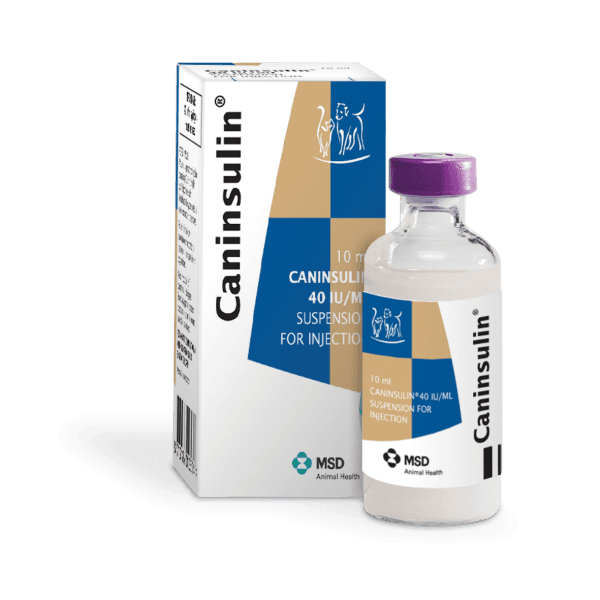
Caninsulin Vial
Caninsulin® Vial for Diabetic Dogs and Cats
Price:
$64.99
Secure Encrypted Payments
Caninsulin is a veterinary insulin used to manage diabetes in dogs and cats. This page helps you compare options, understand handling, and get practical tips for safe use at home. Ships from Canada to US and suitable for pet owners paying without insurance.
What Caninsulin Is and How It Works
Border Free Health connects U.S. patients with licensed Canadian partner pharmacies; prescriptions are verified with prescribers before dispensing.
Caninsulin® is a porcine-derived insulin zinc suspension for subcutaneous injection. It helps lower blood glucose by enabling cells to use sugar for energy. The action is intermediate in duration. Most pets receive doses aligned with meals, as directed by a veterinarian. The formulation requires gentle mixing before each use.
As a porcine insulin zinc suspension vial, this medicine contains insulin crystals and liquid that must be resuspended carefully. Roll the vial gently between your hands until the suspension looks uniformly milky. Do not shake vigorously, and do not use if you see clumps, strings, or discoloration after proper mixing.
Using the correct syringes that match the insulin’s labeled strength is critical. Dosing accuracy supports stable glucose control alongside consistent feeding routines.
Who It’s For
This treatment is indicated for the control of diabetes mellitus in dogs and cats. It is commonly started after your veterinarian confirms persistent high blood glucose and clinical signs such as increased thirst, urination, and weight changes. A veterinary insulin U-40 vial format helps enable dose adjustments under veterinary guidance.
Pets with known hypersensitivity to pork insulin, or those with severe concurrent illness, may not be suitable. Extra caution is warranted for animals with a history of recurrent low blood sugar, pregnant or nursing animals, and pets receiving other medicines that affect glucose levels. Decisions on suitability should be made by a veterinarian.
Dosage and Usage
This medicine is injected under the skin, typically in the scruff or lateral chest/abdomen areas. Veterinarians usually pair doses with regular meal times to reduce the risk of low blood sugar. Your veterinarian will provide a schedule tailored to the pet’s needs.
General technique basics:
- Preparation: Wash hands. Gather supplies and a fresh insulin syringe designed for this strength.
- Mixing: Gently roll the vial until uniformly milky. Avoid bubbles.
- Drawing dose: Insert the needle into the rubber stopper, invert, and draw the prescribed amount. Tap to release air bubbles.
- Injection: Lift a small skin tent, insert at a shallow angle, and inject steadily.
- Site rotation: Rotate injection sites to reduce local irritation.
Feeding and dosing should be consistent day to day. Keep a written log of doses, timing, appetite, water intake, urination, and behavior changes. Your veterinarian may request periodic blood glucose curves or fructosamine testing to guide adjustments.
Strengths and Forms
Common presentation: Caninsulin 40 IU/mL 10 mL vial for subcutaneous use. Availability can vary by region and stock status. Your veterinarian will select the formulation that matches the pet’s treatment plan and monitoring strategy.
Other presentations, such as cartridges for use with compatible devices, may be appropriate for some households. Ask your veterinarian which format best suits your skills and routine.
Missed Dose and Timing
If a dose is missed, contact your veterinarian for guidance. Do not double the next dose. If you realize the mistake within a short window and the pet has eaten, your veterinarian may advise on what to do next. If the pet skips a meal, the veterinarian may recommend holding the dose to reduce the risk of low blood sugar. Label-based timing should always guide next steps for a Caninsulin 10 mL bottle.
Storage and Travel Basics
Store unopened vials in the refrigerator per the product label. Do not freeze. Protect from light. After first use, follow the labeled in-use time frame and storage instructions; discard after the in-use period ends or if the appearance changes after gentle mixing. Keep out of reach of children and pets.
Travel tips:
- Keep the vial upright in a protective case to prevent breakage.
- Use an insulated pouch with cool packs when needed; avoid direct contact with ice.
- Carry supplies and a copy of the prescription during travel.
- Allow time for security checks and keep the vial in your hand luggage.
- If temperatures may be extreme, plan ahead with your veterinarian.
Pharmacies use temperature-controlled handling when required to help protect medicine integrity in transit.
Benefits
This therapy helps reduce excessive thirst, urination, and hunger associated with diabetes when used with diet and monitoring. Intermediate action may offer a predictable daily rhythm for many pets. The vial format supports precise dosing under veterinary direction and can fit a wide range of household routines.
Side Effects and Safety
Common effects can include:
- Mild injection-site swelling or redness
- Transient appetite changes
- Lethargy or reduced activity
- Soft stools or vomiting
- Coat or skin changes over time
Low blood sugar is the main risk. Signs can include weakness, tremors, disorientation, hunger, or seizures. High blood sugar may persist if dosing is insufficient or if diet changes. Urgent veterinary care is needed for collapse, seizures, or suspected ketoacidosis. Report any unusual signs promptly and follow your veterinarian’s instructions.
Drug Interactions and Cautions
Medicines that can change insulin effect include corticosteroids, progestins, thyroid therapies, diuretics, some antibiotics, beta blockers, and ACE inhibitors. Changes in diet, weight, or activity also influence glucose levels. Illnesses such as pancreatitis, infections, Cushing’s disease, or kidney issues can alter insulin requirements. Do not alter doses without veterinary guidance.
What to Expect Over Time
Most pets show gradual improvement in thirst, urination, and energy as glucose stabilizes. Appetite and weight may normalize with a consistent feeding plan. Your veterinarian may fine-tune dosing based on home observations and lab values. Keeping a steady routine, rotating injection sites, and logging daily details improves long-term control. Expect periodic rechecks and updates to the care plan.
Compare With Alternatives
Some pets may do well on different formulations. Cartridges can simplify handling for trained caregivers. Feline patients may respond to protamine zinc insulin options under veterinary guidance. Two options offered on Border Free Health include Caninsulin® Cartridges and Prozinc Vial. Discuss choices with your veterinarian before switching.
Pricing and Access
Cross-border access helps many households compare costs. With Caninsulin vial Canadian pricing, you can review options and request a fill from our partners. To check current pricing, see the product page and proceed through checkout to view the most recent details.
You can place an order online and choose the fulfilment option that suits your needs. We support US delivery logistics while preserving Canadian pricing visibility. For practical pet-care education, see our articles on Guide To Insulin For Dogs, Understanding Pet Diabetes, and Different Types Of Insulin.
Availability and Substitutions
Supply can vary. If the vial is temporarily unavailable, a veterinarian may recommend a suitable alternative or a different presentation. Do not substitute products without veterinary approval, as dosing and handling can differ by formulation.
Patient Suitability and Cost-Saving Tips
Good candidates are dogs and cats with confirmed diabetes who can maintain a consistent meal and dosing schedule. Pets not eating reliably, or those with significant concurrent disease, may need stabilization before starting therapy. Caregivers should be able to draw accurate doses and monitor for changes in behavior, appetite, and bathroom habits.
Cost-saving ideas:
- Multi-month fills: Ask your veterinarian if a larger supply makes sense.
- Bundle essentials: Syringes and sharps containers can be ordered together.
- Set reminders: Calendar alerts help maintain consistent refills.
- Track data: Logs reduce wasted visits and support efficient adjustments.
- Education: Review resources such as Guide To Insulin For Dogs.
Explore category pages for broader options, including Pet Medications and items sourced from Canada. For seasonal updates, you can also read National Diabetes Month.
Questions to Ask Your Clinician
- Starting plan: How should feeding and dosing be aligned for my pet?
- Monitoring: Which signs suggest low or high blood sugar at home?
- Testing: When should curves or fructosamine checks be scheduled?
- Adjustments: What changes to expect with weight or diet shifts?
- Supplies: Which syringes and sharps container are appropriate?
- Storage: How should the vial be handled during travel?
- Escalation: What is the emergency plan for severe hypoglycemia?
Authoritative Sources
Merck Animal Health manufacturer resources
Health Canada Drug Product Database listing
FDA Center for Veterinary Medicine information
Ready to proceed? You can place an order with prompt, express shipping that Ships from Canada to US. Always follow your veterinarian’s instructions. This information is educational and not a substitute for professional advice.
Express Shipping - from $25.00
Shipping with this method takes 3-5 days
Prices:
- Dry-Packed Products $25.00
- Cold-Packed Products $35.00
Shipping Countries:
- United States (all contiguous states**)
- Worldwide (excludes some countries***)
Standard Shipping - $15.00
Shipping with this method takes 5-10 days
Prices:
- Dry-Packed Products $15.00
- Not available for Cold-Packed products
Shipping Countries:
- United States (all contiguous states**)
- Worldwide (excludes some countries***)
How is this insulin given to dogs and cats?
Veterinarians prescribe subcutaneous injections, often timed with meals. Caregivers gently roll the vial until uniformly milky, then use a fresh syringe designed to match the labeled strength. Injections are placed under the skin, with sites rotated to minimize irritation. Keep a daily log of doses, appetite, water intake, and behavior. Your clinician may request curves or fructosamine testing to refine the plan. Follow the official label and your veterinarian’s instructions.
What are signs of low blood sugar in pets?
Hypoglycemia can present as weakness, shaking, disorientation, unusual hunger, trouble walking, or seizures. If you suspect a severe event, seek urgent veterinary care. A small amount of a simple sugar source may be used per your veterinarian’s guidance for mild signs. Consistent feeding times, correct dosing, and monitoring reduce risks. Keep emergency contact numbers handy and review an action plan with your veterinary team.
How should the vial be stored and handled?
Store unopened vials in the refrigerator as directed and do not freeze. Protect from light. After first use, follow the in-use timeframe on the label. Discard if you observe clumps, strings, or discoloration after gentle mixing. Keep out of reach of children and pets. During travel, use an insulated pouch and avoid direct contact with ice. Carry a copy of the prescription and supplies in hand luggage.
Can diet changes affect insulin needs?
Yes. Shifts in diet composition, meal timing, calorie intake, or treats can alter insulin needs. Activity level, weight changes, and intercurrent illness also impact glucose control. Discuss any planned diet changes with your veterinarian in advance. Your clinician may recommend additional monitoring or lab tests during transitions to maintain stability and reduce the risk of hypo- or hyperglycemia.
How often will my pet need rechecks?
Veterinarians typically schedule rechecks after starting or changing therapy, then at regular intervals once stable. The timing depends on clinical signs, home logs, and lab data. Expect periodic glucose curves or fructosamine testing and adjustments as needed. Stable routines, accurate dosing, and consistent meals help reduce the frequency of urgent visits. Follow the official label and your veterinarian’s plan.
What should I do if a dose is missed?
Do not double the next dose. Call your veterinarian for advice. Depending on timing and whether the pet has eaten, the clinician may suggest the best next step to reduce hypoglycemia risk. Keep dosing and meals consistent to avoid missed injections. If vomiting, poor appetite, or illness occurs, contact your veterinarian promptly before giving the next dose.
Are there medicine interactions I should know about?
Several drug classes can change insulin effects, including corticosteroids, progestins, thyroid therapies, diuretics, some antibiotics, and heart medicines like beta blockers or ACE inhibitors. Supplements, diet changes, and illnesses can also alter needs. Provide a complete medication and diet list to your veterinarian. Do not change doses on your own; follow the official label and your clinician’s guidance.
Rewards Program
Earn points on birthdays, product orders, reviews, friend referrals, and more! Enjoy your medication at unparalleled discounts while reaping rewards for every step you take with us.
You can read more about rewards here.
POINT VALUE
How to earn points
- 1Create an account and start earning.
- 2Earn points every time you shop or perform certain actions.
- 3Redeem points for exclusive discounts.
How to book an appointment
- 1Create Begin by completing a profile or log into your existing account. This step ensures we have the necessary information to provide you with a service that's tailored to your needs. account and start earning.
- 2Scheduling an appointment with our online booking system is easy. Pick a day and time that suits you. You’ll receive an immediate confirmation, without the wait.
- 3Discuss your concerns and symptoms and receive a thorough diagnosis from one of our licensed doctors during a confidential video appointment.
- 4If you've been prescribed medication, your Rx is sent directly to one of our licensed pharmacies and delivered right to your door.
Get Started
To book an online doctor appointment, register for an account or login. After doing so, you can book your visit on this page.
You Might Also Like
Select options
This product has multiple variants. The options may be chosen on the product page
Select options
This product has multiple variants. The options may be chosen on the product page
Select options
This product has multiple variants. The options may be chosen on the product page
Select options
This product has multiple variants. The options may be chosen on the product page