
Please note: a valid prescription is required for all prescription medication.
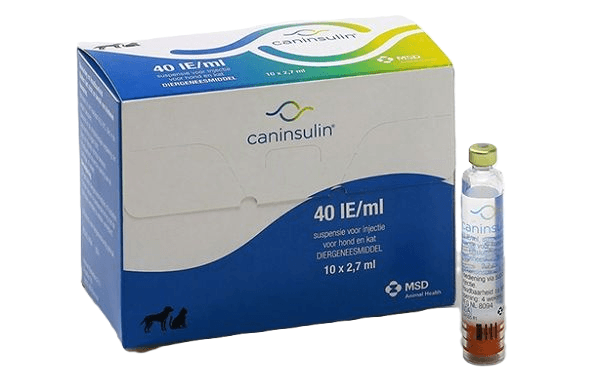
Caninsulin Cartridges
Buy Caninsulin Cartridges Online
Secure Encrypted Payments
Caninsulin Cartridges are insulin cartridges for the VetPen device used in diabetic dogs and cats under veterinary direction. You can buy Caninsulin Cartridges online, view the current price, and choose the cartridge quantity that matches your clinic’s written instructions. The cartridge format should be matched to the VetPen, insulin concentration, and home dosing routine your veterinarian has already established.
These cartridges contain a porcine insulin zinc suspension and are commonly referenced as Caninsulin VetPen insulin cartridges, Caninsulin 2.7 mL cartridges, or caninsulin cartridges for VetPen. The cartridge format supports measured insulin delivery at home, but it still requires correct mixing, priming, needle use, storage, and monitoring. If you are arranging US delivery from Canada, focus on the exact cartridge format and safe handling needs rather than the product name alone.
Caninsulin Cartridges Price and VetPen Cartridge Choices
The Caninsulin Cartridges price should be assessed against the cartridge quantity, total volume, and refill timing for your pet’s current treatment plan. Caninsulin vetpen cartridges are commonly supplied as 2.7 mL cartridges for the VetPen. When choosing a quantity, use the label details and your veterinarian’s directions to avoid ordering a format intended for a different device or dosing method.
Caninsulin 2.7 mL cartridges are generally described as U-40 insulin, meaning 40 IU per mL. Total cartridge volume is not the same as one injection or one day of treatment. Your pet’s units per injection, number of injections per day, priming steps, and the labeled in-use period all affect how long a cartridge lasts. For that reason, Caninsulin Cartridges cost is most useful when considered alongside your pet’s actual insulin schedule.
Many owners pay out of pocket for ongoing pet diabetes supplies, so planning refills matters. Look at the current cash-pay price, cartridge quantity, and any order-level charges before checkout. For broader veterinary browsing, the Pet Medications category keeps related animal health products in one place.
Why it matters: Matching the cartridge, concentration, and VetPen device helps prevent dosing confusion at home.
How to Order Caninsulin Cartridges Online
Start with the clinic’s written instructions and match the product to the cartridge format your pet already uses. The important details are the cartridge form, VetPen compatibility, U-40 concentration when shown on the label, and the quantity needed for the next refill period. If more than one caregiver gives injections, keep the ordering information with the pet’s insulin log so everyone uses the same terminology.
Caninsulin refill cartridges are temperature-sensitive veterinary insulin products, so plan around safe receipt and storage. Arrange for someone to receive the package when practical and move the cartridges to proper storage promptly. BorderFreeHealth may review order details when needed, and products are supplied through licensed pharmacies.
When considering Caninsulin VetPen cartridges US shipping from Canada, do not switch to a vial, syringe, or another insulin unless your veterinarian has approved the change. A cartridge-based pen routine uses different handling steps than a vial-and-syringe routine. Even small differences in device, unit scale, or concentration can create practical safety problems during daily injections.
Product Form, Strength, and Device Fit
Caninsulin Cartridges are made for use with the VetPen rather than a standard syringe. The insulin is a suspension, which means fine particles are distributed through the liquid and must be mixed gently before each dose. The cartridge is loaded into the pen, a compatible needle is attached, and the dose is dialed on the device according to the clinic’s training.
Common ordering references include caninsulin vetpen cartridges 2.7 mL, caninsulin cartridges 40 IU mL, and vetpen cartridges. These terms point to the same practical issue: the cartridge must match the device and the insulin strength your veterinarian expects. Do not assume that a vial, cartridge, or other insulin pen system can be substituted without professional direction.
The VetPen format may be easier for some owners than drawing insulin into a syringe. It can also help households where more than one person shares injections because the dose is dialed through the device. Technique still matters, including gentle mixing, priming, needle attachment, injection angle, and site rotation.
| Ordering detail | What to match |
|---|---|
| Form | Cartridge format for VetPen use |
| Volume | 2.7 mL when shown for this cartridge presentation |
| Concentration | U-40, or 40 IU per mL, when shown on the label |
| Device | VetPen compatibility and correct pen needles |
| Quantity | Refill amount based on the pet’s dosing schedule |
What This Veterinary Insulin Treats
This medicine is used in veterinary care to help manage diabetes mellitus in dogs and cats. Diabetes can cause increased thirst, frequent urination, weight changes, increased or reduced appetite, and lower energy. Insulin helps reduce high blood glucose when the pet’s body does not make or use enough insulin effectively.
Caninsulin dog insulin cartridges and Caninsulin cartridges for cats should be used only within a veterinarian’s treatment plan. The clinic determines the starting dose and adjusts care using the pet’s response, eating pattern, weight, and glucose monitoring. The cartridge helps deliver the medicine, but it does not determine the correct dose for an individual animal.
Insulin response can change when diet, activity, stress, illness, weight, or other medicines change. Keep feeding and injection routines consistent once the clinic has set them. A daily log of appetite, water intake, urination, energy, injections, and unusual behavior can make follow-up visits more useful. For home-care background, Understanding Pet Diabetes explains common signs and care planning for owners.
Mixing, Priming, and Administration Checks
Because this insulin is a suspension, it should be gently mixed before each injection. The liquid should look evenly milky after mixing, without clumps, crystals, threads, or unusual particles. Avoid vigorous shaking because rough handling may affect the suspension and make dosing less consistent.
The VetPen should be loaded, primed, and dialed according to the device instructions and your clinic’s training. Priming helps remove air and confirms that insulin is flowing through the needle. The injection is usually given under the skin, and sites are rotated to reduce local irritation.
Useful pre-dose checks include:
- Cartridge fit: make sure it is seated correctly.
- Gentle mixing: roll until the insulin looks uniformly milky.
- Needle attachment: use a compatible sterile pen needle.
- Priming step: look for a visible drop before dosing.
- Dose window: verify the intended units before injection.
- Site rotation: avoid repeatedly using the same small area.
If a caregiver is unsure whether a dose was delivered, contact the veterinarian rather than giving an extra dose. Double dosing can raise the risk of low blood sugar. A shared injection log can prevent missed or duplicated doses when several people help care for the pet.
Quick tip: Keep the VetPen instructions, clinic dosing plan, and refill label together near the supplies.
Storage, Travel, and Temperature Handling
Caninsulin Cartridges should be stored according to the product label, typically refrigerated and protected from freezing. Keep cartridges upright when directed, away from direct sunlight, and out of reach of children and animals. Do not use a cartridge past its expiry date or after the labeled in-use period has ended.
Temperature matters because insulin can lose quality if it is frozen, overheated, or stored poorly. During travel, use an insulated case and do not let cold packs touch the cartridge directly. When flying, keep insulin and supplies in hand luggage because checked bags may be exposed to temperature extremes.
For longer trips, bring the VetPen, enough needles, backup supplies approved by the clinic, and a copy of the product label. Time-zone changes may affect injection timing, so ask the veterinarian before travel. If insulin arrives warm, frozen, damaged, leaking, or visibly altered, do not use it until you have obtained professional guidance.
Prompt, express shipping may be used when appropriate for order logistics, but safe storage still depends on prompt handling after arrival. Move cartridges from the package to the refrigerator as soon as practical after receipt.
Missed Doses, Refill Timing, and Monitoring
If an injection is missed, follow your veterinarian’s instructions or contact the clinic for advice. In many situations, giving two doses close together can be more dangerous than waiting for the next planned time. The safest response depends on the pet’s food intake, injection schedule, glucose status, and usual response to insulin.
Monitoring is not only about glucose numbers. Watch thirst, urination, appetite, weight trend, activity, and behavior. Some clinics use spot glucose checks, glucose curves, fructosamine testing, or home monitoring. The goal is steady control with fewer swings, not sudden dose changes made without veterinary review.
Owners often ask how long a cartridge lasts. A 2.7 mL cartridge contains a fixed total volume, but each pet uses a different number of units per injection. Priming, injection frequency, and the labeled in-use period also affect refill timing. Ask the clinic to estimate when to reorder based on the current schedule, then set a reminder before the cartridge supply runs low.
Safety Information Before Buying
The most important safety concern with insulin is hypoglycemia, or low blood sugar. Signs may include weakness, sleepiness, trembling, hunger, unsteady walking, behavior changes, collapse, or seizures. If low blood sugar is suspected, follow the emergency plan provided by your veterinarian and contact the clinic promptly.
Mild injection-site redness, soreness, or irritation can occur. More serious problems are less common but can include severe hypoglycemia or allergic-type symptoms. Do not give insulin to a pet that is already showing signs of low blood sugar unless a veterinarian has assessed the situation and directed care.
Several factors can change insulin response. Steroids, progestins, some diuretics, thyroid medicines, infections, pancreatitis, Cushing’s disease, kidney disease, appetite changes, and stress may affect blood glucose. Tell the veterinarian about all medicines, supplements, diet changes, and new symptoms. Beta blockers may also make signs of low sugar harder to notice.
Never share a pen between animals. Use only compatible needles and dispose of used needles in a puncture-resistant sharps container. Local disposal rules vary, so ask your clinic or community waste program where filled containers should go.
Comparing Cartridges With Other Veterinary Insulin Choices
The cartridge format is appropriate when the VetPen is part of your pet’s care plan. Some clinics may prefer a vial-and-syringe routine for a particular animal, dose workflow, or owner preference. If the veterinarian wrote directions for a vial instead, the Caninsulin Vial is the closer product to discuss with the clinic.
Other veterinary insulin products are not automatic substitutes. They may differ in concentration, insulin type, duration, dosing method, and monitoring plan. For example, ProZinc Vial is another veterinary diabetes product, but a veterinarian should decide whether it fits an individual dog or cat.
Syringe compatibility is a common source of confusion. Caninsulin is generally associated with U-40 dosing systems, while many human insulin products use U-100 systems. Using the wrong syringe scale or device can cause a dosing error. If your clinic changes the routine from VetPen to syringe use, ask which exact syringe type and unit scale are required.
Some owners also ask about human insulin in pets. Veterinary teams may sometimes choose a different insulin based on the animal’s response and clinical needs, but that decision should be individualized. For a canine-focused discussion of one human insulin option, Humulin N Insulin for Dogs explains safety considerations in veterinary use.
What to Ask Your Veterinarian
Before ordering caninsulin cartridges for VetPen, confirm the details that affect both product selection and home use. A short conversation can prevent delays, waste, and confusion when the order arrives. It is especially helpful for newly diagnosed pets or households with more than one caregiver.
- Product form: cartridge or vial.
- Device match: correct VetPen model and loading steps.
- Needle type: compatible pen needles and disposal instructions.
- Mixing method: how the insulin should look before injection.
- Injection timing: meal timing and dose schedule.
- Low sugar plan: urgent steps for concerning symptoms.
- Monitoring plan: glucose checks and follow-up timing.
- Travel plan: storage, supplies, and time-zone changes.
Bring the pen, cartridges, and needles to a clinic visit if technique feels uncertain. Small adjustments in mixing, priming, site rotation, or logging can improve confidence without changing the prescribed dose. That support can make daily care feel more manageable for both the owner and the pet.
Authoritative Sources
Official Caninsulin VetPen information describes the cartridge-based VetPen format used for diabetic pets.
This content is for informational purposes only and is not a substitute for professional medical advice.
Blood Glucose Unit Converter
Convert glucose readings between mg/dL and mmol/L without changing the clinical value.
mg/dL
-
US reporting unit
mmol/L
-
International reporting unit
These calculations are for education only and do not replace clinical advice, diagnosis, or treatment. Always confirm medical decisions with a qualified healthcare professional.
HbA1c & eAG Calculator
Convert between HbA1c percentage and estimated average glucose using the ADAG relationship.
HbA1c
-
percentage
eAG mg/dL
-
estimated average glucose
eAG mmol/L
-
estimated average glucose
These calculations are for education only and do not replace clinical advice, diagnosis, or treatment. Always confirm medical decisions with a qualified healthcare professional.
HOMA-IR Calculator
Estimate insulin resistance from fasting glucose and fasting insulin values collected from the same blood draw.
HOMA-IR
-
screening estimate, not a diagnosis
Formula used
-
depends on glucose unit
These calculations are for education only and do not replace clinical advice, diagnosis, or treatment. Always confirm medical decisions with a qualified healthcare professional.
Carb Serving Calculator
Convert total carbohydrate grams into carb choices for meal planning and diabetes education.
Carb choices
-
total carbs divided by choice size
Rounded choices
-
nearest half choice
Carb calories
-
4 kcal per gram
These calculations are for education only and do not replace clinical advice, diagnosis, or treatment. Always confirm medical decisions with a qualified healthcare professional.
Express Shipping - from $29.99
Shipping with this method takes 3-5 days
Prices:
- Dry-Packed Products $29.99
- Cold-Packed Products $39.99
Shipping Countries:
- United States (all contiguous states**)
- Worldwide (excludes some countries***)
Standard Shipping - $19.99
Shipping with this method takes 5-10 days
Prices:
- Dry-Packed Products $19.99
- Not available for Cold-Packed products
Shipping Countries:
- United States (all contiguous states**)
- Worldwide (excludes some countries***)
What are Caninsulin Cartridges used for?
Caninsulin Cartridges are used in veterinary diabetes care for dogs and cats when a veterinarian has chosen the VetPen cartridge format. They help deliver insulin under the skin as part of a broader plan that may include diet, monitoring, and follow-up visits.
Are Caninsulin Cartridges the same as the Caninsulin Vial?
No. The cartridges are intended for the VetPen device, while the vial is used with a syringe routine. The insulin plan, device, and unit scale should match your veterinarian’s directions, so do not switch formats without clinic approval.
How should Caninsulin 2.7 mL cartridges be stored?
Store cartridges according to the label, typically refrigerated and protected from freezing. Keep them away from heat, direct sunlight, children, and animals. Do not use insulin that is expired, visibly changed, leaking, frozen, or outside its labeled in-use period.
How long does one Caninsulin cartridge last?
It depends on your pet’s units per injection, injection frequency, priming loss, and the labeled in-use period. A 2.7 mL cartridge contains a fixed volume, but each pet’s refill timing is different. Your veterinarian can help estimate when to reorder.
What are signs of low blood sugar in a pet using insulin?
Possible signs include weakness, sleepiness, trembling, hunger, unsteady walking, behavior changes, collapse, or seizures. Follow the emergency plan from your veterinarian and contact the clinic promptly if hypoglycemia is suspected.
Rewards Program
Earn points on birthdays, product orders, reviews, friend referrals, and more! Enjoy your medication at unparalleled discounts while reaping rewards for every step you take with us.
You can read more about rewards here.
POINT VALUE
How to earn points
- 1Create an account and start earning.
- 2Earn points every time you shop or perform certain actions.
- 3Redeem points for exclusive discounts.
You Might Also Like
Select options
This product has multiple variants. The options may be chosen on the product page
Select options
This product has multiple variants. The options may be chosen on the product page
Select options
This product has multiple variants. The options may be chosen on the product page
Select options
This product has multiple variants. The options may be chosen on the product page