
Please note: a valid prescription is required for all prescription medication.
Gabapentin
Buy Gabapentin Online
Secure Encrypted Payments
Gabapentin is an anticonvulsant medicine used for nerve pain after shingles and as add-on therapy for certain partial-onset seizures. It can be bought online through licensed pharmacy channels, with dose and strength choices shown during ordering so you can match the medicine to your clinician’s directions. BorderFreeHealth offers Canadian pricing and US delivery from Canada for patients managing out-of-pocket costs.
Gabapentin is the active ingredient in the reference brand Neurontin. It is not an opioid and is not considered a strong painkiller in the way morphine or oxycodone are; it works on overactive nerve signaling rather than directly numbing pain. Many people use it for postherpetic neuralgia, a burning or shooting nerve pain that can continue after shingles.
Gabapentin Price, Strengths, and Ordering Details
Gabapentin price can vary by strength, quantity, and form. During ordering, choose the dose or strength displayed for this medicine and make sure it matches your treatment plan. People paying cash often compare the gabapentin cost against local pharmacy rates, especially when using longer refills for a stable therapy.
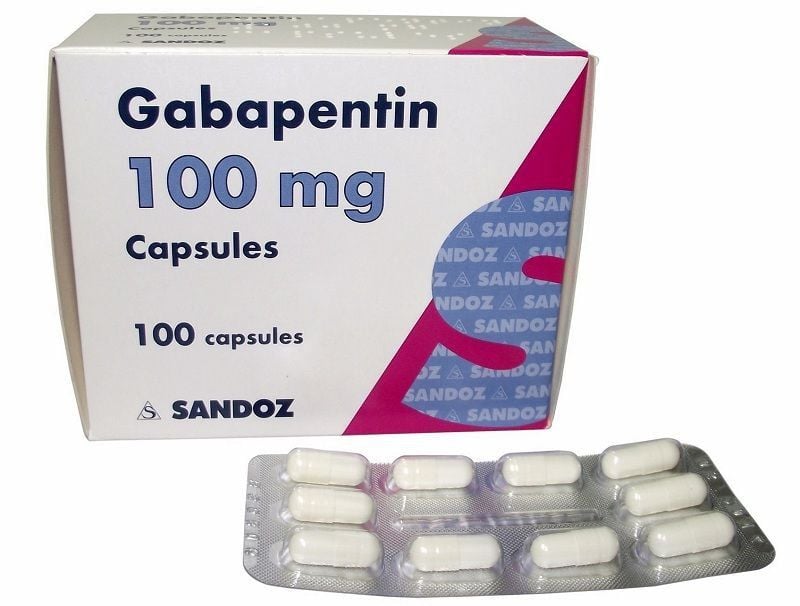
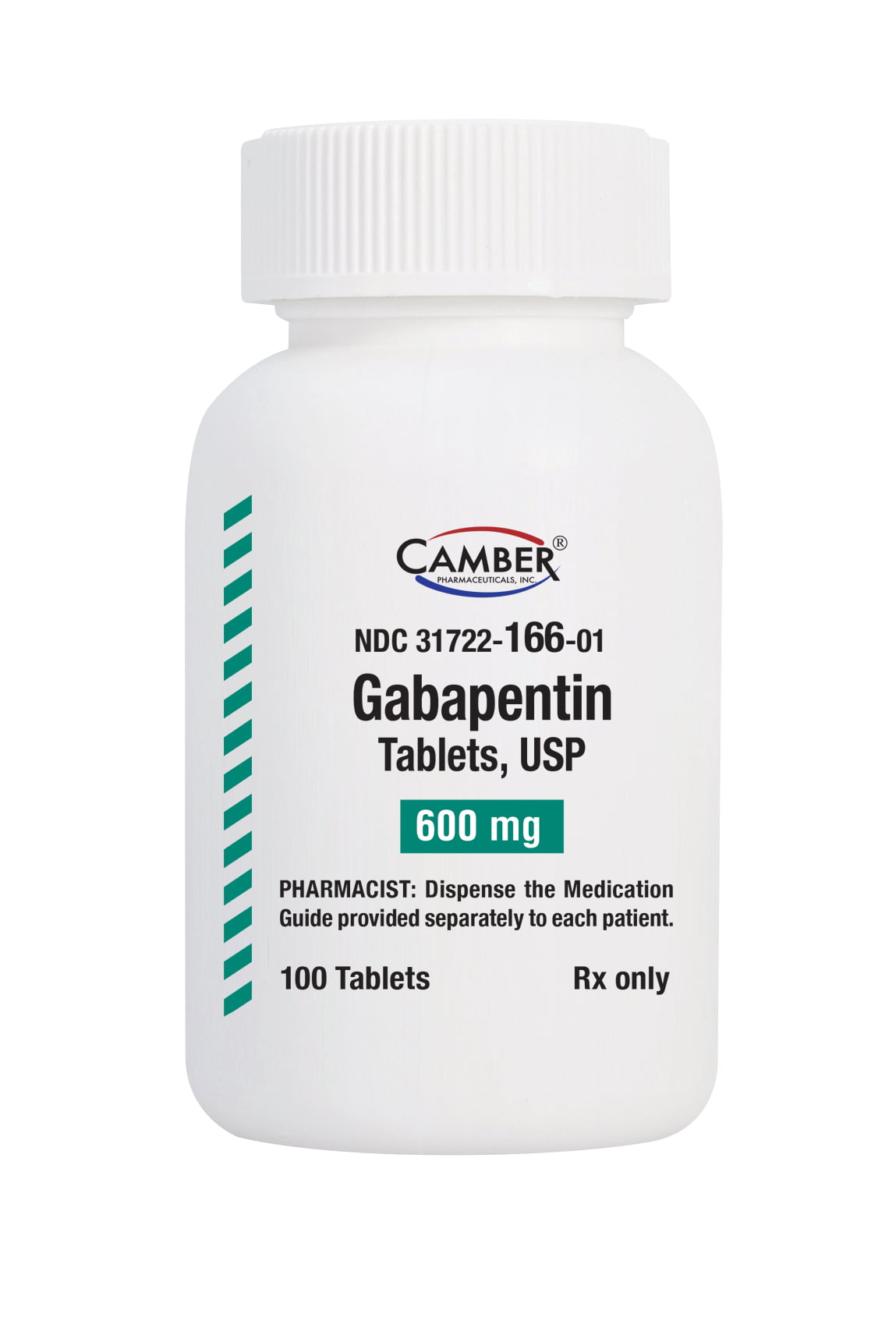
Commonly referenced strengths include gabapentin 100mg, gabapentin 300 mg, gabapentin 400 mg, gabapentin 600mg, and gabapentin 800 mg. Availability may include capsules, tablets, or an oral solution, depending on current supply. Do not split, crush, or switch forms unless a healthcare professional has told you how to do so safely.
Cash-pay patients may look for gabapentin without insurance because ongoing nerve pain or seizure therapy can require regular refills. If your dose changes, update your order to reflect the current directions. Quick tip: Keep a current medication list nearby when placing an order so the strength, schedule, and quantity stay consistent.
What Gabapentin Treats
Gabapentin is used for postherpetic neuralgia in adults and as adjunctive therapy for partial-onset seizures in adults and eligible pediatric patients. Adjunctive therapy means it is used with other seizure medicines rather than as the only treatment. It helps calm abnormal nerve activity, which can reduce nerve pain intensity or support seizure control when used consistently.
Postherpetic neuralgia can feel like burning, stabbing, tingling, or electric pain in an area affected by shingles. Gabapentin does not cure the underlying nerve injury, but steady use may help make symptoms more manageable. For seizure treatment, it supports an overall epilepsy plan and should not be stopped suddenly because seizure risk can increase.
For condition-specific reading, see our information on postherpetic neuralgia and epilepsy. You can also browse related medicines in neurology when discussing alternatives with a healthcare professional.
How This Medicine Works
Gabapentin belongs to the anticonvulsant class. It binds to voltage-gated calcium channel subunits in the nervous system and helps reduce excessive nerve signaling. This action is one reason it is used for both seizure-related nerve excitability and neuropathic pain after shingles.
The medicine is not appreciably metabolized by the liver, and kidney function matters because the body clears gabapentin through the kidneys. People with kidney impairment often need individualized dose planning. Older adults may also be more sensitive to dizziness, sleepiness, or coordination problems, especially when starting therapy or increasing the dose.
Neurontin gabapentin and generic gabapentin contain the same active ingredient, but available forms, strengths, inactive ingredients, and packaging can differ by manufacturer and country. If your appearance, strength, or form changes between refills, confirm the label directions before taking the next dose.
Taking Gabapentin Safely
Follow the directions given by your healthcare professional and the label supplied with the medicine. Many treatment plans begin with a lower dose and increase gradually to improve tolerability. Divided dosing across the day is common because gabapentin levels can rise and fall between doses.
Gabapentin may be taken with or without food. If you use antacids containing aluminum or magnesium, separate them from gabapentin as directed because these antacids can reduce absorption. Swallow tablets or capsules with water unless you have been given different instructions for a specific form.
If drowsiness is troublesome, ask whether dose timing can be adjusted without changing the total daily amount. Do not make dose changes on your own, and do not stop suddenly unless urgent medical care requires it. Abrupt discontinuation may cause withdrawal symptoms or worsen seizure risk in people using it for epilepsy.
Missed Dose and Daily Timing
If you miss a dose, take it when remembered unless it is almost time for the next dose. If the next dose is close, skip the missed one and return to the regular schedule. Do not take two doses together to make up for a missed dose.
Consistency helps this medicine work as intended. A pill organizer, phone reminder, or written schedule can reduce missed doses, especially when the medicine is taken several times daily. If missed doses happen often, ask a healthcare professional whether the timing plan can be simplified.
Side Effects, Warnings, and Monitoring
The biggest side effect many people notice is sleepiness or dizziness. These effects are more likely when starting gabapentin, increasing the dose, drinking alcohol, or combining it with other sedating medicines. Avoid driving, operating machinery, or doing tasks that require full alertness until you know how your body responds.
- Dizziness, drowsiness, or fatigue
- Coordination problems, unsteadiness, or tremor
- Blurred or double vision
- Swelling in the legs or feet
- Dry mouth, constipation, or nausea
- Changes in mood, anxiety, or unusual behavior
Serious risks can include allergic reactions, severe rash, breathing problems, and suicidal thoughts or behavior. Seek urgent medical help for swelling of the face or throat, trouble breathing, rash with blistering, or thoughts of self-harm. Contact a healthcare professional promptly if mood changes, confusion, worsening depression, or unusual agitation appears.
Respiratory depression is a particular concern when gabapentin is combined with opioids, benzodiazepines, sleep medicines, sedating antihistamines, alcohol, or other central nervous system depressants. People with chronic lung disease, older adults, and those taking multiple sedating medicines should be monitored carefully. Why it matters: Sedation and slowed breathing can be subtle at first but may become dangerous.
Drug Interactions and Cautions
Tell your healthcare professional about all medicines, vitamins, cannabis products, alcohol use, and supplements. Antacids containing aluminum or magnesium can lower gabapentin absorption, so spacing matters. Opioids and other sedatives can increase drowsiness, falls, confusion, and breathing risk.
People with kidney disease, a history of substance use disorder, mood disorders, breathing conditions, or severe allergic reactions should discuss risks carefully. Pregnancy and breastfeeding require individualized benefit-risk discussion because seizure control, pain control, and infant exposure all matter. If gabapentin is used with other seizure medicines, changes should be coordinated to avoid destabilizing control.
Alcohol can intensify dizziness and sleepiness. Until the response is predictable, avoid alcohol and use caution when standing quickly, climbing stairs, or walking on uneven surfaces. Report new swelling, severe fatigue, balance problems, or worsening nerve symptoms if they interfere with daily activities.
Storage, Travel, and Handling
Store gabapentin at room temperature, away from excess heat, moisture, and direct light. Keep it in the original labeled container and out of reach of children and pets. If you use the liquid form, close the bottle tightly and follow the handling instructions printed on the label.
For travel, keep the medicine in carry-on luggage with the label intact. Bring a current medication list and avoid moving tablets or capsules into unmarked containers. When crossing borders or passing through security, labeled packaging helps identify the medicine and the person for whom it was supplied.
This medicine is supplied as oral forms, not as a pen, vial, or injectable device. Sharps disposal is not needed. If your order includes prompt, express shipping, plan refills early enough to prevent gaps in therapy.
What to Expect Over Time
Gabapentin’s benefits may build gradually as the dose is adjusted and taken consistently. For nerve pain, people may notice fewer sharp flares, less burning, or improved tolerance of touch over time. For seizure treatment, the goal is steadier control alongside the rest of the treatment plan.
Keep a simple symptom log for the first few weeks. Track pain intensity, sleep quality, daytime sleepiness, balance problems, missed doses, and any seizure activity if relevant. This information helps a healthcare professional decide whether the current strength, timing, or therapy choice remains appropriate.
If you do not notice benefit or side effects limit daily life, ask about next steps rather than stopping abruptly. Some people need slower titration, a different schedule, or another therapy. Others may need assessment for a different type of pain, medication interaction, or underlying condition.
Gabapentin Compared With Related Options
Gabapentin is one option for neuropathic pain and seizure-related care. Pregabalin is a related medicine that also acts on calcium channel subunits, while lamotrigine is an anticonvulsant with a different mechanism. The better choice depends on diagnosis, kidney function, side effects, other medicines, and past response.
If your healthcare professional discusses alternatives, you may want to ask how gabapentin compares with Lyrica for nerve pain or with Lamotrigine for seizure management. Do not switch between these medicines without guidance because dosing, titration, and safety considerations are different.
For broader educational topics, our neurology articles cover nervous-system conditions and treatment discussions. Product choice should always be tied to a clear diagnosis, a tolerable schedule, and a monitoring plan.
Questions to Ask a Healthcare Professional
- Is gabapentin appropriate for my type of nerve pain or seizure pattern?
- Which strength should I use, and how will dose changes be handled?
- How long should I try it before judging benefit?
- Which side effects should prompt a call or urgent care?
- Do any of my current medicines increase sedation or breathing risk?
- Does my kidney function require a different schedule?
- What should I do if I miss several doses or need to stop?
These questions are especially useful if you are self-pay, changing strength, or using more than one medicine that affects the nervous system. Clear instructions reduce the chance of dosing errors and help you recognize side effects early.
Authoritative Sources
Official prescribing information for Neurontin
MedlinePlus gabapentin drug information
This content is for informational purposes only and is not a substitute for professional medical advice.
eGFR Calculator
Estimate kidney filtration using the 2021 CKD-EPI creatinine equation.
eGFR
-
mL/min/1.73 m2
G category
-
requires clinical context
These calculations are for education only and do not replace clinical advice, diagnosis, or treatment. Always confirm medical decisions with a qualified healthcare professional.
Creatinine Clearance Calculator
Estimate creatinine clearance using the Cockcroft-Gault equation.
CrCl
-
mL/min estimate
These calculations are for education only and do not replace clinical advice, diagnosis, or treatment. Always confirm medical decisions with a qualified healthcare professional.
Express Shipping - from $29.99
Shipping with this method takes 3-5 days
Prices:
- Dry-Packed Products $29.99
- Cold-Packed Products $39.99
Shipping Countries:
- United States (all contiguous states**)
- Worldwide (excludes some countries***)
Standard Shipping - $19.99
Shipping with this method takes 5-10 days
Prices:
- Dry-Packed Products $19.99
- Not available for Cold-Packed products
Shipping Countries:
- United States (all contiguous states**)
- Worldwide (excludes some countries***)
What is the main thing gabapentin is used for?
Gabapentin is used for nerve pain after shingles, called postherpetic neuralgia, and as add-on therapy for certain partial-onset seizures. Some other uses may be considered by a healthcare professional, but they depend on the person’s diagnosis and risk factors.
Is gabapentin a strong painkiller?
Gabapentin is not an opioid and is not considered a strong painkiller in the opioid sense. It works by calming overactive nerve signaling, which can help certain neuropathic pain conditions but may not help ordinary muscle aches or inflammatory pain.
What is the biggest side effect of gabapentin?
Drowsiness and dizziness are among the most common and noticeable side effects. They can increase fall risk and may be worse with alcohol, opioids, sleep medicines, or other sedating drugs.
What should you avoid while taking gabapentin?
Avoid alcohol and avoid driving or operating machinery until you know how gabapentin affects you. Also ask about spacing aluminum- or magnesium-containing antacids, and be cautious with opioids, benzodiazepines, sleep aids, and sedating antihistamines.
Can gabapentin be stopped suddenly?
Gabapentin should not usually be stopped suddenly, especially when used for seizures. Abrupt stopping may cause withdrawal symptoms or increase seizure risk, so any planned stop should be discussed with a healthcare professional.
Rewards Program
Earn points on birthdays, product orders, reviews, friend referrals, and more! Enjoy your medication at unparalleled discounts while reaping rewards for every step you take with us.
You can read more about rewards here.
POINT VALUE
How to earn points
- 1Create an account and start earning.
- 2Earn points every time you shop or perform certain actions.
- 3Redeem points for exclusive discounts.
You Might Also Like
Select options
This product has multiple variants. The options may be chosen on the product page
Select options
This product has multiple variants. The options may be chosen on the product page
Select options
This product has multiple variants. The options may be chosen on the product page
Select options
This product has multiple variants. The options may be chosen on the product page