
Please note: a valid prescription is required for all prescription medication.
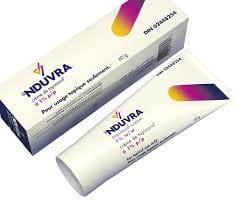
Nduvra
Buy Nduvra Online
Secure Encrypted Payments
Nduvra is a branded tapinarof cream used on affected skin in plaque psoriasis and, in some approved prescribing contexts, eczema. It can be bought online through licensed pharmacy channels, with the strength and quantity chosen during ordering to match the directions from your clinician. Many people look for NDUVRA cream when they want a once-daily, non-steroidal topical treatment for inflamed, scaly, itchy, or irritated skin patches.
Tapinarof is applied to the skin, not taken by mouth or injected. The commonly referenced presentation in public Canadian sources is NDUVRA 1% cream, and the active ingredient is tapinarof. Because psoriasis, eczema, fungal rashes, contact dermatitis, and skin infections can look alike, the safest buying decision starts with a clear diagnosis and careful attention to the body areas being treated.
Nduvra Price, Strength, and Ordering Details
The Nduvra price shown during ordering can vary with the quantity selected, product source, and any current pharmacy-level requirements that apply to the order. View the current cost before checkout and choose the strength and quantity that match your clinician’s written directions. If directions are unclear, especially for sensitive areas such as the face, folds, hands, or genitals, clarify the treatment plan before using the cream.
BorderFreeHealth connects U.S. patients with Canadian licensed pharmacy channels for cash-pay, cross-border medication access when the order can be completed appropriately. Nduvra may ship with US delivery from Canada, and logistics may include prompt, express shipping after order details are complete. Timing still depends on practical processing steps, address accuracy, and product handling requirements.
Quick tip: Keep the tube, carton, and pharmacy label together so the drug name, strength, and directions stay easy to confirm.
What Nduvra Treats
Nduvra tapinarof cream is used for inflammatory skin disease. Public Canadian labeling identifies NDUVRA as tapinarof cream for plaque psoriasis and atopic dermatitis, which is the medical term for eczema. Plaque psoriasis often causes raised, scaly patches, while eczema commonly causes itchy, inflamed, dry, or weeping areas. A clinician may choose tapinarof when a non-steroidal topical option fits the diagnosis and treatment area.
This medication is not an antifungal, antibiotic, or antiviral cream. It should not be used as a substitute for treating ringworm, untreated bacterial infection, shingles, cold sores, or other rashes that require a different medication class. If the affected skin is warm, draining, crusted, very painful, or changing quickly, the next step may be reassessment rather than more anti-inflammatory treatment. For broader reading on skin medicines and conditions, the dermatology articles section can help you prepare better questions for your clinician.
The diagnosis matters because the same red, flaky patch can have several causes. Seborrheic dermatitis, allergic contact reactions, fungal infections, and psoriasis may overlap in appearance. Nduvra is most useful when the treatment target is clear and the body area is appropriate for tapinarof cream.
How Tapinarof Cream Works and How It Is Used
Tapinarof is a non-steroidal topical medicine. It works through the aryl hydrocarbon receptor pathway, which is involved in skin inflammation and barrier function. In everyday terms, it is meant to calm inflammatory skin activity without being a topical corticosteroid. That distinction can matter for people who have body-site limits, long-term steroid concerns, or a treatment plan that rotates different cream classes.
Public medication references describe tapinarof topical cream as a once-daily treatment. A thin layer is generally applied to affected skin only. Extra applications are not a shortcut to faster improvement and may make irritation, redness, stinging, or follicle inflammation harder to interpret. If moisturizer is part of your routine, ask how to space it from Nduvra so the medication can be used consistently.
- Apply only to the skin areas named in your directions.
- Avoid eyes, mouth, lips, and other mucous membranes.
- Wash hands after use unless the hands are the treated area.
- Do not wrap or tightly cover treated skin unless instructed.
- Tell your clinician about other medicated creams used on the same spots.
Body site matters. The face, groin, underarms, neck folds, hands, and scalp can be harder to monitor or more prone to irritation from layered products. If you use a steroid, retinoid, medicated wash, exfoliating acid, benzoyl peroxide, or fragrance-heavy product on the same area, ask for a clear layering plan.
Strengths, Form, and Product Identity
NDUVRA cream is a brand name for tapinarof topical cream. Public Canadian sources describe NDUVRA 1% cream, with tapinarof as the active ingredient. Packaging, carton appearance, and labeling language can differ by market, so the medication received should be matched to the pharmacy label and the written directions rather than online images.
| Feature | What to know |
|---|---|
| Brand name | Nduvra |
| Active ingredient | Tapinarof |
| Commonly referenced strength | 1% cream |
| Form | Topical cream for affected skin |
| Typical routine in public references | Once daily use as directed |
A cream can feel different from an ointment, gel, foam, or lotion. Creams often spread easily and may be preferred on visible areas or folds when that texture fits the treatment plan. If you have previously reacted to topical products, bring up ingredients, preservatives, fragrances, and the location of past reactions before starting another medicated cream.
Side Effects, Warnings, and Monitoring
Nduvra side effects are often local skin reactions, but systemic or body-wide symptoms can also occur in some people. Reported tapinarof side effects include folliculitis, itching, redness, contact dermatitis, headache, and cold-like symptoms. Folliculitis means inflamed hair follicles, which may look like small bumps or pimples around hair-bearing skin.
Mild irritation may settle, but worsening discomfort after each use should not be ignored. Stop layering extra products on the area and seek clinical advice if treated skin becomes increasingly painful, swollen, blistered, or raw. Get urgent help for signs of a serious allergic reaction, such as facial swelling, trouble breathing, throat tightness, or widespread hives.
- Commonly reported: itching, redness, folliculitis, or dermatitis.
- Watch carefully: burning, swelling, blistering, drainage, or spreading rash.
- Ask promptly: if the rash looks infected or changes rapidly.
- Emergency symptoms: breathing trouble, facial swelling, or severe allergy signs.
Safety is harder to judge when several active products touch the same skin. Retinoids, acids, alcohol-based preparations, benzoyl peroxide, medicated shampoos, and potent topical steroids can all irritate some areas. Recent waxing, peels, laser treatments, or harsh exfoliation may also weaken the skin barrier and increase stinging.
Pregnancy, breastfeeding, extensive body-surface treatment, and use on damaged skin deserve individualized discussion. The same applies if your rash is widespread, painful, or accompanied by fever. General navigation on infected rashes is available in the skin infection section, but diagnosis and treatment selection should come from a qualified clinician.
Storage and Travel Basics
Follow the storage instructions on the label and product literature. Topical creams are usually kept tightly closed and protected from excess heat, freezing conditions, and direct sunlight unless the label gives different directions. Keep Nduvra away from children and pets, and do not share it with another person even when their rash looks similar.
For travel, keep the tube in the original packaging with the label attached. That helps identify the active ingredient, strength, and application directions if a question comes up at a clinic, pharmacy, or security checkpoint. Avoid leaving the cream in a hot vehicle, a sunny window, or a bag exposed to high heat for long periods.
If your skin routine changes while traveling, simplify rather than stacking new products. Bring the moisturizer, cleanser, and medicated products you already tolerate. A written medication list can also help if a flare worsens away from home.
How It Compares With Other Dermatology Treatments
Nduvra is one option among several topical treatments for psoriasis and eczema. The right choice depends on diagnosis, body site, severity, prior response, treatment goals, and whether steroid exposure is a concern. Non-steroidal does not mean risk-free; it means the active ingredient is not a corticosteroid.
| Treatment type | When it may be used | Key consideration |
|---|---|---|
| Tapinarof cream | Plaque psoriasis or eczema when appropriate | Non-steroidal topical option; irritation can occur |
| Topical corticosteroids | Inflamed plaques or flares needing anti-inflammatory control | Potency, duration, and body-site limits matter |
| Calcineurin inhibitors | Selected sensitive-area plans | Stinging and diagnosis fit should be considered |
| Antifungal or antimicrobial creams | Confirmed fungal, bacterial, or viral skin problems | Not interchangeable with psoriasis or eczema treatment |
Some patients and clinicians also consider other dermatology medicines based on the condition involved. Zoryve is another non-steroidal dermatology product used in inflammatory skin disease contexts. Acne-focused treatment decisions may involve different products, such as Winlevi, while rosacea treatment may involve options such as Noritate Cream. These products are not direct substitutes for Nduvra unless a clinician says the diagnosis and treatment goal fit.
Topical steroid products also belong to a different class. Fluocinonide products such as Lyderm Gel and Lyderm Ointment may be used in different inflammatory skin plans. For broader browsing by category, see dermatology products.
Questions to Ask Before Starting
Before using Nduvra, ask what condition is being treated, which exact skin areas should receive the cream, and how long the first treatment course should be assessed. Also ask what improvement should look like and what symptoms should trigger a call. This is especially helpful when plaques or eczema patches are on the face, folds, scalp edge, or hands.
Bring a complete skin-treatment list. Include prescription creams, over-the-counter hydrocortisone, antifungals, acne medicines, medicated shampoos, cosmetic acids, peels, and herbal products. Mention prior reactions to creams, preservatives, fragrances, or adhesives. If you are pregnant, planning pregnancy, or breastfeeding, ask how the benefits and uncertainties apply to your situation.
Why it matters: A non-steroidal cream still needs the right diagnosis, body-site plan, and safety monitoring.
Authoritative Sources
For label-level and independent medication information, these references provide useful clinical context:
- Health Canada product record: Drug and Health Products Portal entry
- Official Canadian labeling: NDUVRA product monograph
- Independent medication summary: Mayo Clinic tapinarof topical reference
This content is for informational purposes only and is not a substitute for professional medical advice.
Express Shipping - from $29.99
Shipping with this method takes 3-5 days
Prices:
- Dry-Packed Products $29.99
- Cold-Packed Products $39.99
Shipping Countries:
- United States (all contiguous states**)
- Worldwide (excludes some countries***)
Standard Shipping - $19.99
Shipping with this method takes 5-10 days
Prices:
- Dry-Packed Products $19.99
- Not available for Cold-Packed products
Shipping Countries:
- United States (all contiguous states**)
- Worldwide (excludes some countries***)
What is Nduvra used for?
Nduvra is a branded tapinarof cream used for plaque psoriasis and, in approved prescribing contexts, eczema or atopic dermatitis. It is meant for inflammatory skin disease, not for fungal, viral, or untreated bacterial rashes.
How often is Nduvra cream used?
Public references describe tapinarof cream as a once-daily topical treatment. Apply it only as directed to affected skin, and do not add extra applications unless your clinician specifically changes the plan.
Is Nduvra a steroid cream?
No. Tapinarof is a non-steroidal topical medicine. That can be useful when a clinician wants to avoid or limit corticosteroid exposure, but it can still cause irritation and requires appropriate monitoring.
What are common Nduvra side effects?
Reported side effects include folliculitis, itching, redness, contact dermatitis, headache, and cold-like symptoms. Seek advice if treated skin becomes increasingly painful, swollen, blistered, draining, or rapidly worse.
Can Nduvra be used with moisturizers or other creams?
It may be used within a broader skin-care plan, but layering matters. Ask how to space moisturizers, steroids, retinoids, acids, benzoyl peroxide, medicated washes, or other active products on the same skin.
Rewards Program
Earn points on birthdays, product orders, reviews, friend referrals, and more! Enjoy your medication at unparalleled discounts while reaping rewards for every step you take with us.
You can read more about rewards here.
POINT VALUE
How to earn points
- 1Create an account and start earning.
- 2Earn points every time you shop or perform certain actions.
- 3Redeem points for exclusive discounts.
You Might Also Like
Select options
This product has multiple variants. The options may be chosen on the product page
Select options
This product has multiple variants. The options may be chosen on the product page
Select options
This product has multiple variants. The options may be chosen on the product page
Select options
This product has multiple variants. The options may be chosen on the product page