
Please note: a valid prescription is required for all prescription medication.
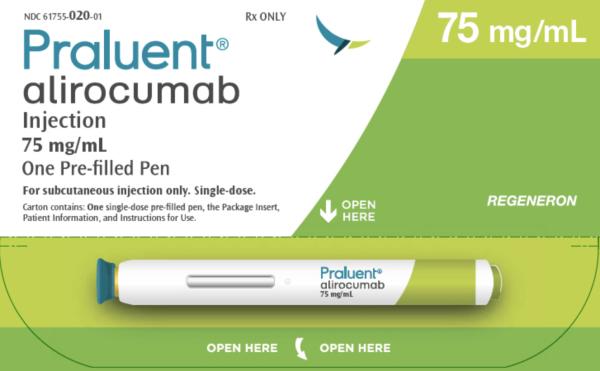
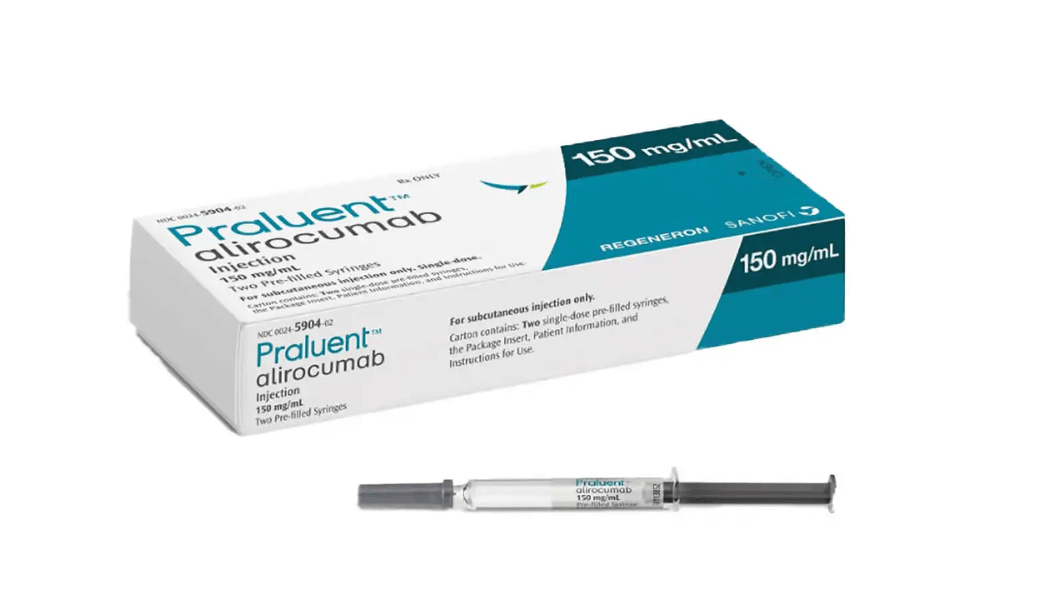
Praluent
Buy Praluent Online
Secure Encrypted Payments
Praluent® is an alirocumab injection used with a heart-healthy diet and other lipid-lowering treatment to help lower LDL cholesterol in certain people. It can be bought online, with current strengths and forms shown during ordering so the medicine matches the directions from your healthcare professional. Many customers look at Praluent price from Canada when planning ongoing cholesterol care and out-of-pocket spending.
Praluent belongs to a medicine class called PCSK9 inhibitors. PCSK9 is a protein that affects how well the liver clears LDL, often called “bad” cholesterol, from the bloodstream. By blocking PCSK9, alirocumab helps the liver remove more LDL particles, which can support cholesterol goals when diet and background therapy are not enough.
Price, Strength, and Ordering Basics
Praluent cost can vary by strength, quantity, and the dosing schedule chosen by your clinician. During ordering, choose the dose or strength shown for the product and match it to the treatment directions you were given. If you are tracking Praluent 75 mg cost, Praluent 150 mg pen price, or overall Praluent injection cost, compare the quantity needed for your schedule rather than looking only at a single pen.
Many people also calculate Praluent cost per month because this therapy is used on a continuing schedule. The monthly amount depends on whether the plan uses every-2-weeks dosing or a once-every-4-weeks regimen. If you pay cash, alirocumab price discussions should also include lab monitoring, other cholesterol medicines, and whether a multi-dose supply is appropriate for your situation.
Orders are supplied through licensed pharmacies, and we may review order details before the medication is released for shipment. For customers using cross-border service, Praluent can be arranged with US delivery from Canada. Use the current checkout information for the live product price and available quantity.
What Praluent Treats
Praluent is used to lower LDL cholesterol in people who need additional cholesterol reduction. It is commonly used in care plans for high cholesterol, especially when LDL remains above goal despite diet and other therapy. It is also used in people with clinical atherosclerotic cardiovascular disease, where lowering LDL may be part of reducing future cardiovascular risk.
Some people take alirocumab because they have an inherited cholesterol condition. Heterozygous familial hypercholesterolemia can cause high LDL levels from an early age, and treatment often requires more than lifestyle changes alone. Praluent is not a statin; it is an injectable antibody medicine that works through a different pathway.
Praluent is generally used with diet and, when tolerated, statin therapy. Some people cannot tolerate higher statin doses or need more LDL lowering than a statin provides. Your healthcare professional decides whether Praluent fits your cholesterol target, cardiovascular history, and current medicines.
How Alirocumab Works
Alirocumab is a monoclonal antibody, a lab-made protein designed to bind a specific target in the body. Its target is PCSK9. When PCSK9 activity is reduced, LDL receptors on liver cells can remain available longer, allowing the liver to clear more LDL cholesterol from the blood.
This mechanism is different from statins. Statins reduce cholesterol production in the liver, while PCSK9 inhibitors help improve LDL clearance. Because the mechanisms differ, clinicians often combine therapies when LDL goals are difficult to reach. Combination treatment may include medicines in the broader cardiovascular category, depending on your lipid profile and tolerance.
Praluent does not replace heart-healthy habits. Diet quality, physical activity, smoking status, blood pressure, diabetes care, and body weight can all affect cardiovascular risk. The injection works best as part of a structured plan that includes regular follow-up and cholesterol testing.
Dosing and Injection Use
Common Praluent dosing includes 75 mg injected under the skin every 2 weeks. If more LDL lowering is needed, the dose may be adjusted to 150 mg every 2 weeks. Some adults may use 300 mg every 4 weeks, given as two 150 mg injections one after the other at different injection sites.
The injection is given subcutaneously, meaning into the fatty layer under the skin. Usual injection areas include the thigh, abdomen, or upper arm when another person gives the injection. Rotate sites with each dose, and avoid skin that is tender, bruised, red, hardened, scarred, or damaged.
Allow the pen or syringe to come to room temperature as directed before injecting. Do not warm it with hot water, a microwave, direct sunlight, or any heat source. Follow the Instructions for Use that come with the medication, especially if you are new to self-injection or switching between devices.
Quick tip: Set calendar reminders for dose day, refill planning, and follow-up cholesterol labs.
Missed Dose Timing
If you miss a dose on an every-2-weeks schedule, take the missed dose as soon as you remember if it is within 7 days. Then continue with your original dosing day. If more than 7 days have passed, skip the missed dose and take the next dose on the usual scheduled day.
For an every-4-weeks schedule, the timing rules can be more specific. Take a late dose as soon as you remember, then follow the official instructions or ask your healthcare professional how to reset the schedule. Do not inject two full doses on the same day to make up for a missed dose unless you have been specifically told to do so.
Missed doses matter because LDL lowering depends on consistent use. If missed injections happen often, ask for help with reminders, travel planning, or injection confidence. A more practical dosing routine may improve long-term adherence.
Storage, Travel, and Handling
Store Praluent in the refrigerator in the original carton to protect it from light. Do not freeze it, and do not use a pen or syringe that has been frozen. Avoid shaking the device, because rough handling may affect the medicine.
When traveling, keep Praluent insulated and protected from temperature extremes. A small cooler may help, but the device should not sit directly on ice. Pack injection supplies and a copy of your medication documentation in your carry-on when flying, so temperature control and access are easier to manage.
If the label allows a limited time at room temperature, follow that time window carefully and discard the medicine if it has been left out too long. Keep all injection devices away from children and pets. For cold-chain orders, handling may include prompt, express shipping when needed.
Pen Inspection and Sharps Disposal
Before injecting, inspect the solution through the viewing window. Do not use Praluent if the liquid looks cloudy, discolored, or contains particles. Also avoid using a device that appears cracked, damaged, dropped, frozen, or past its expiration date.
After injection, place the used pen or syringe into an FDA-cleared sharps disposal container. Do not throw loose needles or pens into household trash. If a sharps container is not available, a heavy-duty plastic household container with a tight, puncture-resistant lid may be acceptable until you can follow local disposal rules.
Never reuse a single-use pen or syringe. Reusing devices can raise the risk of infection, injury, and dosing problems. If the device does not work as expected, do not try to repair it; use the instructions provided with the medication and ask a healthcare professional or pharmacist what to do next.
Side Effects, Warnings, and Monitoring
Common side effects include injection-site reactions such as redness, itching, swelling, pain, or tenderness. Some people report cold-like symptoms, flu-like symptoms, nasopharyngitis, muscle pain, joint pain, or fatigue. These effects are often manageable, but persistent or severe symptoms should be discussed with a healthcare professional.
Serious allergic reactions can occur. Get urgent help if you develop swelling of the face, lips, tongue, or throat, trouble breathing, widespread rash, severe hives, or symptoms that feel rapidly worsening after an injection. People with a known serious hypersensitivity to alirocumab or any ingredient in the product should not use it.
Alirocumab is broken down through protein pathways rather than the liver enzyme pathways that affect many oral medicines. Clinically significant CYP-based drug interactions are not expected, but your full medicine and supplement list still matters. This is especially important if you use multiple cholesterol therapies, immune-modulating medicines, or treatments for complex cardiovascular conditions.
Monitoring usually includes lipid panels after starting treatment and after dose changes. These blood tests show whether LDL cholesterol is moving toward the agreed target. Do not stop statins, ezetimibe, fibrates, or other lipid-lowering medicines unless your healthcare professional tells you to change the plan.
How Long Treatment May Continue
Praluent is often used as long-term therapy when it is effective, tolerated, and still needed for LDL control. High cholesterol and inherited lipid disorders are usually chronic conditions, so treatment length is based on risk, lab results, side effects, and goals. Some people remain on therapy for years under ongoing monitoring.
LDL changes may be seen after consistent use, but the exact timing of follow-up testing is individualized. A clinician may order a lipid panel after initiation and again after a dose adjustment. The results help decide whether the dose, background therapy, or overall plan should change.
Do not judge response only by how you feel. High LDL usually causes no symptoms, even when cardiovascular risk is elevated. Lab monitoring is the practical way to know whether alirocumab is helping your cholesterol numbers.
Praluent Compared With Other Cholesterol Options
Praluent is not considered a statin. It is a PCSK9 inhibitor injection, while statins are oral medicines that reduce cholesterol production. A statin may remain part of the plan if tolerated, because the two approaches can work together.
Other injectable LDL-lowering options include medicines in the same or related PCSK9 pathway. The choice may depend on dosing frequency, device preference, LDL target, side effect history, and cardiovascular risk. Oral options may also remain useful for some people, especially when smaller LDL reductions are needed or injections are not preferred.
If you want to understand the broader treatment area, the cardiovascular articles section may help you prepare questions for your next visit. Product choice should still be guided by your individual history and lab results, not by convenience alone.
Cash-Pay Planning and Out-of-Pocket Questions
People searching for Praluent price without insurance often want a realistic way to budget for ongoing therapy. Start by identifying the exact strength, injection count, and schedule used in your plan. Then compare the total expected monthly or multi-month amount, rather than only the price of one device.
Praluent cash price can also be weighed against other costs in your cholesterol plan. Lab tests, clinic visits, and background medicines may all affect the total. If you use insurance, compare your benefit with Canadian pricing to see which route is more workable for you.
Coupons, discount cards, and manufacturer programs may have restrictions, and they are not the same as pharmacy cash pricing. If budget pressure might cause missed doses, speak with your healthcare professional before gaps happen. A sustainable plan is safer than starting therapy without a realistic refill strategy.
Questions to Ask Before Starting
- What LDL cholesterol target are we trying to reach?
- Should my plan use every-2-weeks dosing or once-every-4-weeks dosing?
- Which medicines should stay in my cholesterol regimen?
- When should my next lipid panel be scheduled?
- What injection-site reactions are expected, and which symptoms need care?
- How should I store the pen during travel?
- What should I do if I miss a dose or a device does not work?
Writing these questions down can make treatment decisions feel less rushed. It also helps connect product choice, Praluent pen price, monitoring, and safety into one practical plan.
Authoritative Sources
| Resource | Link |
|---|---|
| Official prescribing information | DailyMed Praluent label |
| Manufacturer patient information | Praluent manufacturer site |
| FDA label document | FDA label PDF |
This content is for informational purposes only and is not a substitute for professional medical advice.
Cholesterol Ratio Calculator
Calculate common lipid ratios and non-HDL cholesterol from a standard cholesterol panel.
Total / HDL
-
cholesterol ratio
LDL / HDL
-
lipid ratio
Non-HDL
-
total minus HDL
These calculations are for education only and do not replace clinical advice, diagnosis, or treatment. Always confirm medical decisions with a qualified healthcare professional.
LDL Cholesterol Calculator
Estimate LDL cholesterol from total cholesterol, HDL, and triglycerides using the Friedewald equation.
Estimated LDL
-
Friedewald estimate
Non-HDL
-
total minus HDL
These calculations are for education only and do not replace clinical advice, diagnosis, or treatment. Always confirm medical decisions with a qualified healthcare professional.
Cholesterol Unit Converter
Convert cholesterol and triglyceride values between mg/dL and mmol/L.
mg/dL
-
US lipid unit
mmol/L
-
-
These calculations are for education only and do not replace clinical advice, diagnosis, or treatment. Always confirm medical decisions with a qualified healthcare professional.
Express Shipping - from $29.99
Shipping with this method takes 3-5 days
Prices:
- Dry-Packed Products $29.99
- Cold-Packed Products $39.99
Shipping Countries:
- United States (all contiguous states**)
- Worldwide (excludes some countries***)
Standard Shipping - $19.99
Shipping with this method takes 5-10 days
Prices:
- Dry-Packed Products $19.99
- Not available for Cold-Packed products
Shipping Countries:
- United States (all contiguous states**)
- Worldwide (excludes some countries***)
Is Praluent a statin?
No. Praluent is a PCSK9 inhibitor that contains alirocumab. Statins reduce cholesterol production in the liver, while Praluent helps the liver clear more LDL cholesterol from the blood.
What are common Praluent side effects?
Common side effects may include injection-site redness, itching, swelling, cold-like symptoms, flu-like symptoms, muscle or joint pain, and fatigue. Seek urgent care for symptoms of a serious allergic reaction, such as trouble breathing, facial swelling, or severe hives.
Can Praluent work without a statin?
Praluent is often used with diet and maximally tolerated statin therapy, but some people cannot tolerate certain statin doses. A healthcare professional should decide whether alirocumab is appropriate with or without a statin in your individual plan.
How long do people take Praluent?
Praluent may be used long term when it is effective, tolerated, and still needed for LDL cholesterol control. Treatment length depends on cholesterol results, cardiovascular risk, side effects, and ongoing clinical goals.
How should Praluent be stored?
Store Praluent in the refrigerator in its original carton and protect it from light. Do not freeze or shake it. Follow the label for any allowed room-temperature storage window and discard medicine left out beyond that limit.
Rewards Program
Earn points on birthdays, product orders, reviews, friend referrals, and more! Enjoy your medication at unparalleled discounts while reaping rewards for every step you take with us.
You can read more about rewards here.
POINT VALUE
How to earn points
- 1Create an account and start earning.
- 2Earn points every time you shop or perform certain actions.
- 3Redeem points for exclusive discounts.
You Might Also Like
Select options
This product has multiple variants. The options may be chosen on the product page
Select options
This product has multiple variants. The options may be chosen on the product page
Select options
This product has multiple variants. The options may be chosen on the product page
Select options
This product has multiple variants. The options may be chosen on the product page