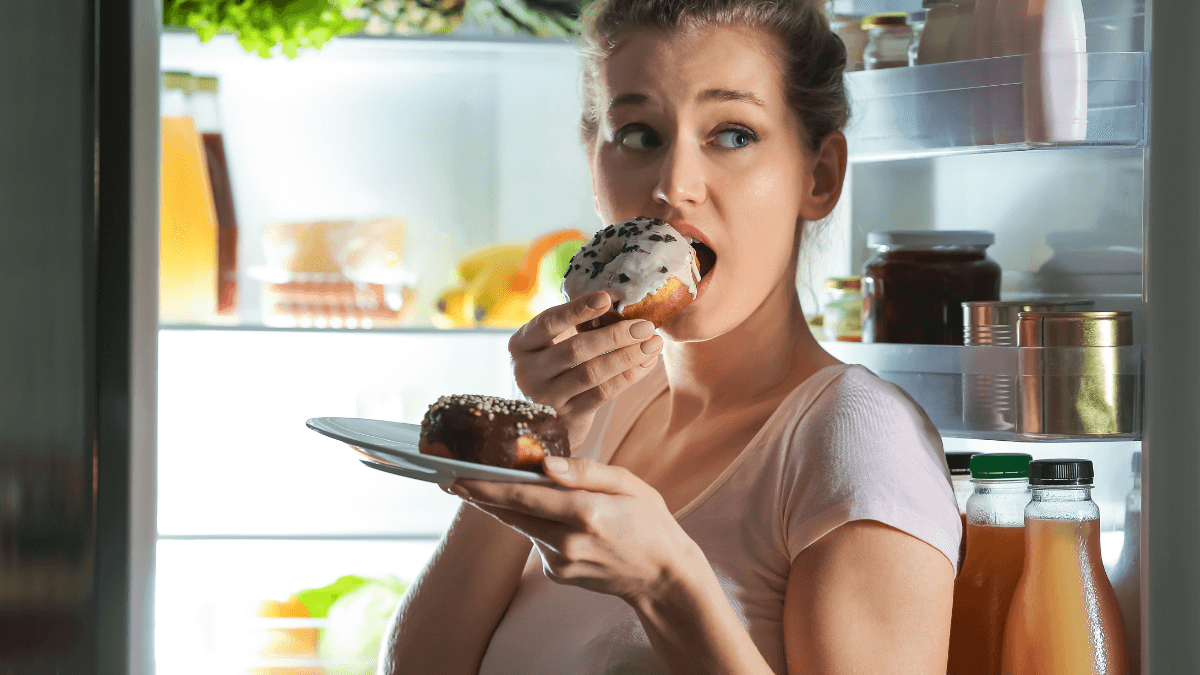
Ozempic foods to avoid are usually the foods most likely to worsen nausea, reflux, bloating, or uncomfortable fullness: greasy meals, large high-fat portions, very sugary drinks, heavy alcohol, and foods that personally trigger your stomach. You do not need a perfect diet. The goal is to choose meals that work with slower digestion while still giving you enough protein, fluid, fiber, and steady energy.
Ozempic is a brand of semaglutide, a GLP-1 receptor agonist (a medicine that mimics a gut hormone). It can reduce appetite and slow gastric emptying, which means food leaves the stomach more slowly. That can help some people feel satisfied sooner, but it can also make rich or oversized meals feel worse. For broader meal-building ideas, see Ozempic Diet Food Choices.
Key Takeaways
- Limit greasy foods: fried foods and heavy sauces often sit longer.
- Watch added sugar: sweet drinks and desserts may worsen swings.
- Use smaller meals: slower eating can reduce fullness and nausea.
- Hydrate steadily: fluids may help constipation and dizziness.
- Track patterns: your triggers may differ from someone else’s.
Why Certain Foods Feel Worse on Semaglutide
Some foods feel worse because semaglutide changes appetite and stomach movement. When a meal is large, fatty, or eaten quickly, it may remain in the stomach longer. That can increase belching, nausea, acid reflux, or a heavy upper-abdomen feeling.
High-fat foods are a common problem. Examples include fried chicken, fries, pizza with extra cheese, burgers with rich toppings, creamy pasta, and pastries. These foods are not automatically forbidden, but portion size matters. A few bites may feel fine, while a full serving may feel unpleasant, especially after a dose increase.
Very sugary foods and drinks can also backfire. Soda, juice, candy, sweet coffee drinks, and desserts may be easy to overconsume when appetite is irregular. Some people then feel shaky, hungry, or queasy later. If you live with diabetes, repeated high or low glucose readings should be reviewed with your care team rather than managed by food rules alone.
Alcohol deserves caution too. It can irritate the stomach, disturb sleep, and make it harder to notice fullness cues. It may also complicate glucose management for some people. If you drink, discuss safer limits with your clinician, especially if you use other medicines that can lower blood sugar.
Quick tip: If a favorite food triggers symptoms, test a smaller portion before cutting it out completely.
Foods to Limit, Test, or Swap First
The most useful list is not a permanent ban list. It is a starting point for testing tolerance. The following groups are common triggers for people looking for foods to avoid on Ozempic, especially during the first weeks or after dose changes.
High-fat and fried foods
Fried foods, greasy takeout, sausage, bacon, cream sauces, rich desserts, and large portions of cheese can slow digestion further. If you want a hamburger, consider a smaller portion, leaner patty, open-faced bun, or side salad instead of fries. Eat slowly and stop when comfortably satisfied.
Sugary drinks and refined snacks
Sweet drinks, pastries, candy, and low-fiber snack foods may be less filling than balanced meals. They can also worsen nausea in some people when eaten on an empty stomach. Try pairing a smaller sweet portion with protein, or choose fruit with yogurt if that sits better.
Spicy, acidic, or carbonated choices
Spicy foods, tomato-heavy sauces, citrus, and carbonated drinks can trigger reflux or burping for some readers. Diet soda is not universally off-limits, but bubbles can add pressure and bloating. If you enjoy fizz, try a smaller serving, sip slowly, or let it go slightly flat.
Hard-to-digest portions of fiber
Fiber supports bowel regularity, but a sudden jump can cause gas. Large raw salads, beans, bran cereals, and cruciferous vegetables may feel rough early on. Cook vegetables, increase fiber gradually, and drink enough fluid as your intake rises.
For a deeper symptom-focused plan, Managing Ozempic Side Effects covers nausea, constipation, reflux, and when to ask for help.
What to Eat on Ozempic to Avoid Nausea
To reduce nausea, start with small, balanced meals that include lean protein, gentle carbohydrates, and modest fat. This approach helps you avoid long gaps, oversized meals, and rich foods that can overwhelm a slower stomach.
Good starter foods include eggs, Greek yogurt, cottage cheese, tofu, fish, tender chicken, turkey, beans in small portions, oats, rice, potatoes, bananas, applesauce, broth soups, and cooked vegetables. Eggs are usually acceptable for many people, especially boiled, scrambled, or poached with limited added fat. If eggs trigger nausea, try a smaller portion or a different protein.
When nausea is already present, bland foods may be easier. Crackers, toast, rice, banana, broth, and applesauce can help you restart eating gently. Add protein once your stomach settles. Some people feel worse when they get very hungry, so a small snack may prevent the cycle of hunger followed by queasiness.
Protein matters during weight loss because it supports satiety and helps preserve lean tissue. A calculator can help estimate a general daily protein range from body weight, but it does not replace advice from a clinician or registered dietitian.
Protein Intake Calculator
Estimate daily protein grams from body weight and nutrition goal.
These calculations are for education only and do not replace clinical advice, diagnosis, or treatment. Always confirm medical decisions with a qualified healthcare professional.
If you have kidney disease, pregnancy, a history of eating disorders, gastroparesis, or complex diabetes medication needs, ask for individualized nutrition guidance before using protein targets or strict meal plans.
A Flexible Meal Pattern for Better Tolerance
A simple meal pattern works better than a rigid ozempic diet menu for most people. Aim for a protein source, a fiber-rich carbohydrate, a cooked or soft produce choice, and a small amount of fat. Then adjust the portion based on appetite and symptoms.
Breakfast can be Greek yogurt with berries and oats, eggs with spinach and toast, or a smoothie with yogurt, banana, and a small spoon of nut butter. Lunch can be lentil soup with rice, tuna with whole-grain crackers, or chicken with quinoa and roasted carrots. Dinner can be baked fish with potatoes and green beans, turkey chili, or tofu with rice noodles and cooked vegetables.
If you prefer a 7-day Ozempic meal plan, repeat meals rather than making every day different. Choose two breakfasts, two lunches, and three dinners you tolerate well. This makes it easier to notice patterns. It also reduces the pressure to follow a downloadable plan that may not match your appetite, culture, budget, or glucose needs.
For readers using semaglutide as part of weight management care, Ozempic For Weight Loss explains broader expectations and lifestyle considerations. If you are comparing forms of semaglutide, Semaglutide Basics gives helpful context.
Coffee, Tea, and Diet Soda: How to Test Tolerance
Coffee is not automatically off-limits, but it can worsen reflux, jitters, or nausea in sensitive people. Try a smaller cup, drink it after food, or switch to half-caf if symptoms appear. Heavy creamers may be a bigger trigger than the coffee itself because added fat can slow digestion.
Tea is often gentler, although strong black tea can still contain enough caffeine to bother some people. Ginger tea may feel soothing during mild nausea. Peppermint tea helps some stomach symptoms, but it can worsen reflux in others, so pay attention to your own response.
Diet soda is more complicated. It usually has little or no sugar, but carbonation can increase gas and burping. Some sugar substitutes may also cause cramps or loose stools when consumed in large amounts. If soda triggers bloating, try infused water, diluted electrolyte drinks, or unsweetened tea instead.
Timing, Portions, and Dose-Change Weeks
Meal timing matters because appetite may shift across the week. Some people feel most sensitive around dose changes or after a missed routine. During these periods, keep meals smaller and simpler until you understand your pattern.
Try eating slowly, chewing well, and pausing halfway through a meal. Stop at comfortable fullness rather than finishing by habit. Avoid lying down soon after eating, especially after dinner. A short walk after meals may ease fullness for some people.
Intermittent fasting can be challenging if a long gap leads to nausea, overeating, or reflux. If you fast, the first meal should be gentle, protein-containing, and not too large. Ozempic And Intermittent Fasting discusses timing questions in more detail.
Why it matters: Smaller meals often work better than strict avoidance when digestion is slower.
When Symptoms Need Medical Attention
Mild nausea, constipation, diarrhea, and reflux are common reasons people adjust food choices. Still, symptoms should not be ignored when they are severe, persistent, or unusual for you. Contact your clinician if you cannot keep fluids down, have repeated vomiting, severe abdominal pain, signs of dehydration, or symptoms that interfere with daily life.
Seek urgent medical advice for severe stomach pain that does not improve, pain with vomiting, symptoms of an allergic reaction, or possible pancreatitis symptoms. People using insulin or sulfonylureas should also discuss low blood sugar risk with their prescriber. Food changes are not a substitute for medication review when glucose readings are repeatedly outside your target range.
If access or medication details are part of your care planning, the Ozempic product page can help you identify the medication being discussed. BorderFreeHealth connects U.S. patients with licensed Canadian partner pharmacies, and prescription details may be verified when required before pharmacy dispensing. For browsing broader topics, the Weight Management category groups related educational resources.
Authoritative Sources
Medication labels and major diabetes organizations give the most reliable context for side effects, warnings, and nutrition principles. For prescribing information and gastrointestinal warnings, review the official Ozempic prescribing information. For diabetes nutrition and care standards, see the ADA Standards of Care in Diabetes. For practical food-label and meal-planning basics, the CDC diabetes healthy eating resource offers general guidance.
Recap
The most common ozempic foods to avoid are not mysterious. Greasy meals, large portions, sugary drinks, alcohol-heavy choices, carbonation, and personal reflux triggers are the usual culprits. Start with smaller meals, lean protein, cooked vegetables, gentle starches, and steady fluids. Then test foods one at a time, using your symptoms and glucose patterns as feedback.
Food should support your treatment, not become another source of stress. If symptoms persist or you have medical conditions that affect diet needs, ask your clinician or a registered dietitian for individualized advice.
This content is for informational purposes only and is not a substitute for professional medical advice.