
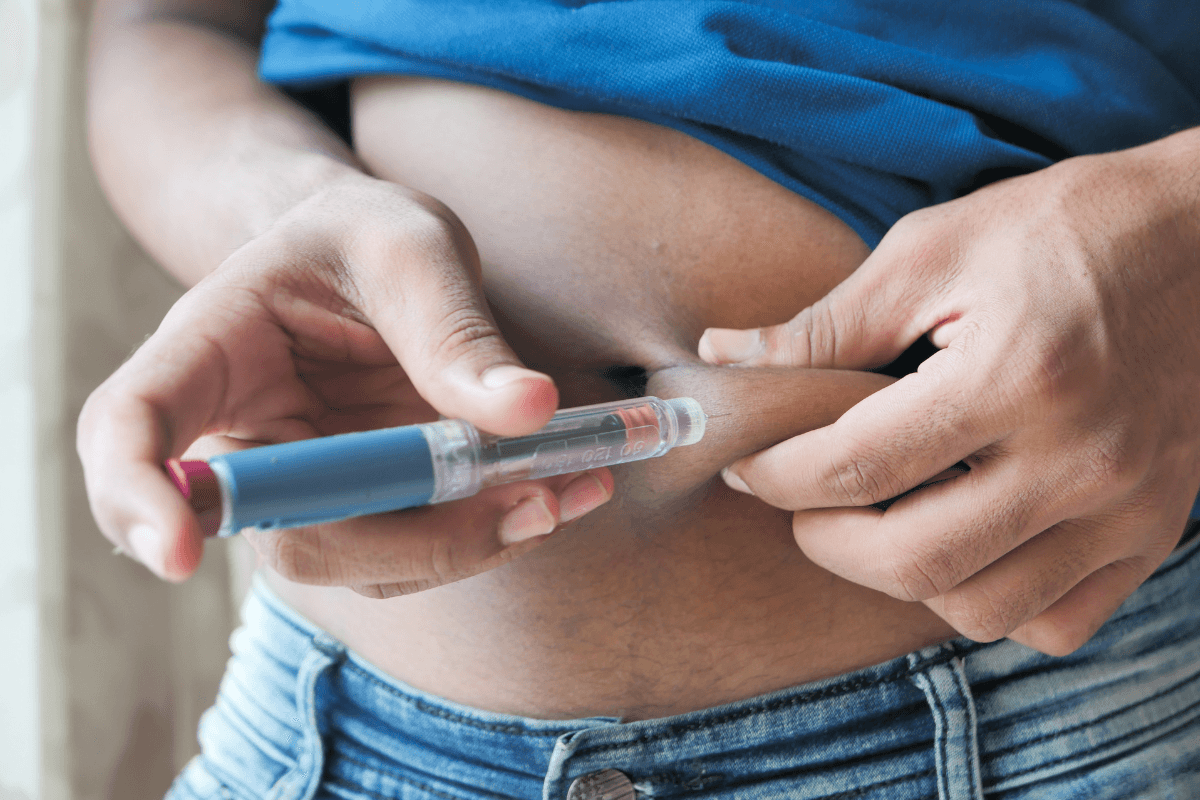
Zepbound vs Ozempic is not a simple “which is stronger” choice. Zepbound is labeled for chronic weight management in eligible adults, while Ozempic is labeled for type 2 diabetes and certain heart-risk reduction uses in that population. Both can affect appetite, digestion, and blood sugar, but they are different medicines with different active ingredients, approval pathways, and follow-up needs.
Why this matters: the best fit often depends on your diagnosis, health goals, side effect history, coverage rules, and what your prescriber needs to monitor. Online comparisons can help you prepare, but they cannot replace a medication plan built around your medical history.
Key Takeaways
- Different labeled uses: Zepbound is weight-management focused; Ozempic is diabetes focused.
- Different ingredients: tirzepatide and semaglutide act on related hormone pathways.
- Similar routine: both are once-weekly injections with gradual titration.
- Side effects overlap: nausea, constipation, diarrhea, and fullness are common concerns.
- Choice is personal: goals, safety factors, access, and monitoring drive the decision.
Zepbound vs Ozempic: The Core Difference
The main difference is that Zepbound contains tirzepatide, while Ozempic contains semaglutide. Tirzepatide acts on GLP-1 and GIP receptors, two gut-hormone pathways involved in appetite and glucose regulation. Semaglutide acts on GLP-1 receptors, which also influence appetite, stomach emptying, insulin release, and blood sugar after meals.
People often ask, “Is Zepbound the same as Ozempic?” The answer is no. They can feel similar in daily life because both are weekly injections and both may reduce appetite. Still, they are not interchangeable products, and their labels are not the same.
The approval difference matters in real appointments. A clinician may consider Zepbound when the main treatment goal is chronic weight management and the label criteria fit. Ozempic is generally discussed in the context of type 2 diabetes care, blood sugar targets, and cardiovascular risk reduction for certain adults with type 2 diabetes.
If you want to compare tirzepatide with another tirzepatide brand, Zepbound Vs Mounjaro explains how shared ingredients can still have different labeled uses.
How the Medicines Compare in Real-World Decisions
The most useful Zepbound vs Ozempic comparison looks at use, monitoring, tolerability, and access together. One factor rarely decides everything.
| Decision Factor | Zepbound | Ozempic |
|---|---|---|
| Active ingredient | Tirzepatide | Semaglutide |
| Drug pathway | GLP-1 and GIP receptor activity | GLP-1 receptor activity |
| Main labeled use | Chronic weight management for eligible adults | Type 2 diabetes; certain cardiovascular risk reduction uses |
| Injection schedule | Once weekly, with stepwise titration | Once weekly, with stepwise titration |
| Common follow-up focus | Weight trend, appetite, nutrition, tolerability, safety warnings | A1C, glucose patterns, diabetes medicines, kidney function, safety warnings |
| Access considerations | Weight-management coverage rules may apply | Diabetes coverage rules may apply |
For weight-focused care, your prescriber may look at eligibility, body-weight trend, related conditions, and whether lifestyle support is realistic and sustainable. For diabetes-focused care, the conversation often includes A1C, home glucose patterns, low-blood-sugar risk when combined with other diabetes medicines, and kidney function.
That is why “Zepbound vs Ozempic which is better” has no universal answer. Better for what? Weight-management labeling, diabetes control, tolerability, access, pregnancy planning, medication interactions, and personal preference can point in different directions.
Readers comparing semaglutide-based options may also find Wegovy Vs Ozempic useful, because Wegovy and Ozempic share semaglutide but differ in labeled use and dosing context.
Weight Loss Expectations Without the Hype
Zepbound vs Ozempic weight loss discussions can become exaggerated online. Both medicines may support weight reduction in some people, but the expected role differs because Zepbound is labeled for chronic weight management and Ozempic is labeled for type 2 diabetes care.
Clinical trials are not the same as personal predictions. Trial participants follow set protocols, have defined eligibility criteria, and receive scheduled monitoring. In daily life, results can vary with dose tolerance, nutrition, activity, sleep, other medicines, medical conditions, and whether treatment can be continued safely.
It is reasonable to ask your clinician what marker they will use to judge progress. Some care plans focus on percentage body-weight change, waist measurement, appetite control, mobility, blood pressure, lipids, or glucose patterns. Others may focus first on whether side effects are manageable.
Quick tip: Track trends, not single weigh-ins, because fluid shifts can blur short-term changes.
This calculator can help you review general weight-change progress over time. It does not determine eligibility, predict medication response, or replace clinical judgment.
Weight-Loss Progress Calculator
Track percentage body-weight change and progress toward a target weight.
These calculations are for education only and do not replace clinical advice, diagnosis, or treatment. Always confirm medical decisions with a qualified healthcare professional.
For a broader medication landscape, the Weight Management collection can help you compare educational topics before a prescriber visit.
Dosing and Switching: Why Conversion Charts Are Risky
Zepbound vs Ozempic dosage questions should be handled by a prescriber, not by a simple online chart. Both medicines use gradual dose increases, often called titration, to help the body adjust and to reduce the chance of disruptive stomach-related side effects.
A one-to-one conversion is not reliable because tirzepatide and semaglutide are different molecules. They act on overlapping but not identical receptor pathways. Your current dose, side effects, last injection date, diabetes medicines, kidney function, and eating pattern all matter.
Searches for an Ozempic to Zepbound conversion chart, semaglutide to tirzepatide dose conversion chart, or GLP-1 dose conversion chart usually reflect a practical concern: people want to avoid side effects or treatment gaps. That concern is valid. The safer response is a clinician-led transition plan with monitoring, not self-directed dose matching.
Questions to bring to your appointment
- Timing: When should the next injection occur?
- Starting point: What dose is appropriate after my current medicine?
- Monitoring: Which symptoms or labs need follow-up?
- Diabetes medicines: Could any increase low-blood-sugar risk?
- Tolerability: What should I do if nausea or vomiting starts?
If you are comparing semaglutide, tirzepatide, and related diabetes brands, Mounjaro Vs Ozempic covers overlapping questions around ingredient, indication, and fit.
Side Effects, Warnings, and When to Seek Help
Zepbound vs Ozempic side effects overlap because both affect digestion and appetite signaling. Common issues may include nausea, constipation, diarrhea, stomach pain, heartburn-like symptoms, burping, reduced appetite, and feeling full sooner than expected.
Side effects often appear during dose changes, after larger meals, or when fluid intake drops. Smaller meals, slower eating, and steady hydration may help some people feel more comfortable. Still, persistent symptoms deserve attention, especially if they affect fluid intake or daily functioning.
More concerning symptoms include severe or worsening abdominal pain, ongoing vomiting, inability to keep fluids down, signs of dehydration, or symptoms that feel sudden and unusual. Seek medical advice promptly if these occur. Your clinician may want to assess for complications such as pancreatitis, gallbladder disease, kidney stress from dehydration, or other causes.
Both medicines also carry important label warnings and contraindications. These include a boxed warning about thyroid C-cell tumors seen in rodents, and they should not be used in people with a personal or family history of medullary thyroid carcinoma or multiple endocrine neoplasia syndrome type 2. Labels also describe cautions around pancreatitis, gallbladder disease, kidney injury related to dehydration, and diabetic retinopathy concerns in some people with diabetes.
Why it matters: Similar side effects do not mean identical safety considerations for every person.
Injection technique can also affect comfort. If bruising, stinging, or site rotation is a barrier, ask your care team to review technique rather than assuming the medicine is the only problem.
Cost, Coverage, and Access Factors
Zepbound vs Ozempic cost is often less about the list price and more about the reason a plan covers the drug. Insurance rules often follow labeled use, so a diabetes prescription may be reviewed differently from a weight-management prescription.
Prior authorization can also shape access. A plan may ask for diagnosis codes, past treatment history, current health measurements, or documentation that label criteria are met. This process can feel personal, but it is usually an administrative rule rather than a judgment about effort or need.
People without insurance may also ask about cash-pay routes or cross-border options. BorderFreeHealth connects U.S. patients with licensed Canadian partner pharmacies, and prescription details are verified with the prescriber when required before dispensing. Eligibility and jurisdiction still matter, so access should be discussed as part of a safe care plan.
The Weight Management Options category can help readers see browseable medication categories without treating any one product as the default choice. Product pages such as Zepbound and Ozempic may also provide product-specific context when a prescriber has already discussed those medicines.
How Related Options Fit the Conversation
Many readers compare Zepbound vs Ozempic and quickly end up asking about Wegovy, Mounjaro, or other GLP-1 medicines. That is understandable because brand names, active ingredients, and labeled uses overlap in ways that can be confusing.
Wegovy contains semaglutide, like Ozempic, but it is labeled for chronic weight management under specific criteria. Mounjaro contains tirzepatide, like Zepbound, but it is labeled for type 2 diabetes. These label differences can affect insurance review, clinical monitoring, and how a prescriber frames the treatment goal.
If your main question is Zepbound vs Wegovy, Zepbound Vs Wegovy compares two medicines with weight-management labeling. If your clinician has mentioned Ozempic in a weight-related context, Ozempic For Weight Loss explains why indication and off-label use need careful discussion.
Authoritative Sources
For official label details, warnings, and approved uses, review the Zepbound prescribing information and the Ozempic prescribing information. These documents are the best sources for current contraindications, warnings, and administration instructions.
The FDA GLP-1 safety information also gives regulator-level context on this medicine class and safety monitoring.
Putting the Comparison Into a Care Plan
Zepbound and Ozempic can look similar from a distance, but the practical differences are meaningful. Zepbound uses tirzepatide and is labeled for chronic weight management in eligible adults. Ozempic uses semaglutide and is labeled for type 2 diabetes care, including certain cardiovascular risk reduction uses.
The safest next step is not choosing from a chart. It is bringing clear questions to a clinician: What is the main treatment goal? Which label fits my situation? What side effects should I watch for? What monitoring do I need? What happens if access changes?
This content is for informational purposes only and is not a substitute for professional medical advice.


