
Please note: a valid prescription is required for all prescription medication.
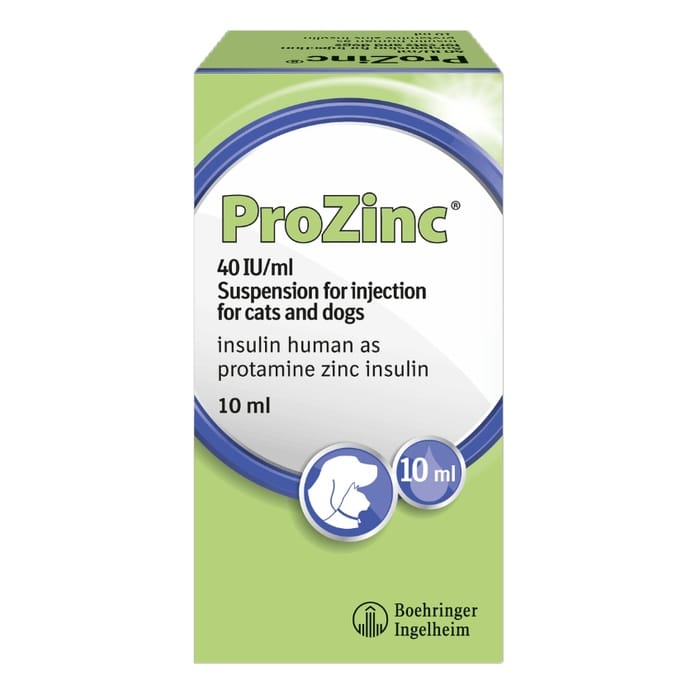
Prozinc Vial
Buy ProZinc Vial Online
Secure Encrypted Payments
ProZinc Vial is a veterinary insulin used to help manage diabetes mellitus in cats and, when directed by a veterinarian, dogs. You can buy ProZinc Vial online, view the current price, and choose the vial quantity that matches your veterinarian’s directions. The commonly referenced ProZinc 10 mL vial is a U-40 protamine zinc insulin suspension, so the vial size, concentration, and syringe type all matter.
ProZinc insulin is given by subcutaneous injection, which means under the skin. Protamine and zinc help slow insulin absorption after injection, supporting longer action than very short-acting insulins. Every refill should match the clinic label for product name, concentration, dosing schedule, and species instructions.
ProZinc Vial Price and Strength Details
The ProZinc vial price shown during ordering depends on the vial quantity and current store pricing. A ProZinc 10 mL vial is a multi-dose container, not a single dose. Your veterinarian’s dosing plan determines how long one vial may last and when a refill should be planned.
Many clinic notes describe the product as ProZinc insulin 10ml, ProZinc insulin vial, or ProZinc 40 units/mL vial. These names point to the same practical checks: the brand, insulin type, volume, and concentration. The U-40 concentration is important because syringe markings must match the insulin strength to measure doses accurately.
When estimating ProZinc vial cost without insurance, include routine diabetes supplies in the total household budget. Syringes, sharps disposal, glucose testing items, clinic follow-ups, and diet planning can all affect ongoing care. Cash-pay ProZinc insulin planning is easier when you line up the vial price with the supplies your veterinary team expects you to use.
Quick tip: Match the vial name, 40 units/mL concentration, and syringe type before comparing totals.
How to Order ProZinc Vial Online
To order ProZinc vial online, choose the vial quantity that matches the current clinic directions. Keep the most recent veterinary label nearby while ordering, especially if your pet’s dose, injection timing, or monitoring plan changed after the last refill. We may review order details to help confirm that the item requested matches the information provided for the pet.
Because this is a refrigerated injectable medicine, plan refills before the current vial runs low. Leave time for order processing, cold-chain handling, and prompt storage after arrival. US delivery from Canada may be part of the service context for customers using BorderFreeHealth, and prompt, express shipping may be offered when available.
Before final checkout, verify the vial count and the product name on the order. If your veterinary team changed insulin type, do not rely on an old box, old syringe supply, or previous refill habit. A familiar-looking vial can still be unsafe if the concentration or insulin type does not match the active plan.
What ProZinc Insulin Treats
ProZinc insulin for cats is used to help manage diabetes mellitus, a condition where the body cannot produce enough insulin or use insulin effectively. High blood glucose can lead to excessive thirst, frequent urination, weight changes, increased appetite, dehydration, and poor coat condition. Insulin helps move glucose from the bloodstream into cells, where it can be used for energy.
Some veterinarians also use ProZinc insulin for dogs when they decide it is appropriate for that patient. ProZinc insulin for cats and dogs should not be treated as interchangeable self-directed care between species. Dogs and cats can differ in diet, insulin response, concurrent illness, monitoring needs, and dose timing.
Diabetes management usually combines insulin, consistent meals, weight monitoring, follow-up testing, and careful home observation. For broader signs and home-care planning, Pet Diabetes Symptoms and Care explains common symptoms and daily routines that can support conversations with your veterinarian.
Form, Concentration, and Syringe Matching
ProZinc is supplied as a sterile injectable suspension in a multi-dose vial. Each mL of the commonly listed product contains 40 units of insulin. The vial should be mixed as directed before drawing a dose, because insulin suspensions must be evenly distributed for accurate measurement.
Use U-40 insulin syringes unless your veterinarian gives a specific conversion plan. U-100 syringes have different markings and can cause serious dosing errors if used as a direct substitute. Needle length, syringe capacity, and graduation marks also affect how easy it is to draw small veterinary doses.
If you are restocking injection supplies, compare BD Ultrafine II Syringes with the syringe type recommended by your clinic. The syringe should fit the insulin concentration and the dose increments used in your pet’s plan.
| Vial detail | Practical check |
|---|---|
| Form | Sterile injectable suspension in a multi-dose vial |
| Common concentration | 40 units/mL, also called U-40 insulin |
| Route | Subcutaneous injection under the skin |
| Syringe match | Use U-40 syringes unless instructed otherwise |
| Mixing | Gently roll the vial as directed; do not shake vigorously |
Storage, Handling, and Cold-Chain Planning
Insulin is sensitive to heat, freezing, and rough handling. Store the vial according to the label, typically refrigerated and protected from freezing. Keeping the vial in its carton can help reduce light exposure and keeps identifying information close to the medicine.
Inspect the vial before each use. After gentle mixing, the suspension should look consistent. Do not use it if it appears clumped, discolored, frozen, overheated, or otherwise unusual. If the vial appearance changes, contact the pharmacy or veterinarian before giving another injection.
Place refrigerated medicine into proper storage promptly after arrival. If you travel with the vial, use an insulated container and avoid direct contact with ice packs. Freezing can damage insulin, while excess heat may reduce reliability.
Keep related supplies together when leaving home. Include syringes, any alcohol swabs your clinic recommends, a sharps container, the current clinic label, food, and emergency instructions for low blood sugar. The Pet Medications category can help households organize other veterinary items discussed with their care team.
Side Effects, Warnings, and Monitoring
The most important safety concern with any insulin is hypoglycemia, or low blood sugar. Signs may include weakness, trembling, stumbling, unusual sleepiness, sudden hunger, confusion, seizures, collapse, or unresponsiveness. Ask your veterinarian what to do for mild signs at home and when emergency care is needed.
Do not give extra insulin to make up for a missed or partial dose unless your veterinarian tells you to do so. If your pet does not eat, vomits, has diarrhea, seems unusually quiet, or acts weak before a scheduled injection, contact the clinic for guidance. Food intake, illness, stress, and exercise can change insulin needs quickly.
Injection-site reactions can happen. Mild redness, tenderness, or swelling may appear where the needle enters the skin. Rotating sites, using a fresh needle each time, and having the clinic demonstrate technique can make injections safer and less stressful.
- Low blood sugar: weakness, tremors, seizures, or collapse
- Appetite changes: may reflect illness or glucose changes
- Injection-site irritation: redness, tenderness, or swelling
- Weight changes: may signal changing diabetes control
- Allergic reaction: facial swelling, breathing trouble, or collapse needs urgent care
Why it matters: A written low-glucose plan helps you act quickly during an insulin emergency.
Meals, Dose Timing, and Home Records
Insulin timing works best when meals, injections, and daily activity are reasonably consistent. Many cats receive insulin about every 12 hours, but the exact schedule depends on the veterinary plan. Dogs may need a different routine depending on diet, response, and other health conditions.
Keep a simple log of meals, injections, water intake, urination, behavior, body weight, and any unusual signs. Your veterinarian may also recommend home glucose readings, clinic glucose curves, fructosamine testing, or other follow-up checks. Patterns over time are more useful than one isolated reading.
Diet changes should be coordinated with monitoring. Sudden changes in carbohydrate content, feeding time, or portion size may affect blood glucose. If your veterinarian recommends a new food or weight plan, ask how meal timing and glucose checks should change during the transition.
Interactions and Health Changes That Can Affect Insulin
Other medicines can change blood glucose and insulin response. Steroids, progestogens, some diuretics, and certain hormones may raise glucose in some pets. Other products may increase the chance of low blood sugar. Share all medicines, supplements, flea and tick products, and diet changes with your veterinary team.
Illness can also disrupt diabetes control. Dental disease, urinary infections, pancreatitis, pain, stress, and reduced appetite may change how a cat or dog responds to insulin. Call the clinic if your pet becomes ill, refuses food, has repeated vomiting or diarrhea, or develops new weakness.
Monitoring is especially important after starting insulin, changing dose, changing diet, or switching insulin type. For plain-language background on insulin categories, Different Types of Insulin explains common classes and how duration of action differs.
How Long a Vial May Last
How long a ProZinc multi-dose vial lasts depends on the amount drawn each time, how often injections are given, vial size, and any discard instructions after first puncture. Do not estimate refill timing from milliliters alone. A 10 mL vial contains many measured doses, but the number of days varies by the individual plan.
Write the first-use date on the carton or a medication log. Follow the label and pharmacy instructions for storage and discard timing. If the vial reaches its discard date, looks abnormal, or may have been stored outside instructions, ask the pharmacy or veterinarian what to do before using more.
Refill reminders should be updated when the dose changes. A higher dose can shorten how long the vial lasts, while a lower dose may extend use until the labeled discard window is reached. Planning ahead reduces the risk of running out during weekends, holidays, or travel.
Comparing Related Veterinary Insulin Choices
Veterinarians may consider different insulin products based on species, response, monitoring results, concurrent disease, and availability. ProZinc is a protamine zinc insulin. Other pets may be prescribed porcine insulin zinc suspension or an intermediate-acting human insulin, but substitutions should only happen with a veterinary plan.
If your veterinarian discussed an alternative, compare related products such as Caninsulin Vial or Caninsulin Cartridges only in the context of the clinic’s instructions. Some canine diabetes plans may involve other insulin types; Humulin N Insulin for Dogs discusses safe canine diabetes management considerations.
Intermediate-acting insulin may be part of some veterinary discussions. Intermediate-Acting Insulin explains timing concepts that can help you ask clearer questions. Related human insulin vials such as Humulin N Vial and Novolin GE NPH Vial should not be substituted for a veterinary insulin without direct veterinary direction.
Authoritative Sources
Official labeling details, including concentration, presentation, and handling language, are available through the DailyMed ProZinc drug label. Use the official label, carton, pharmacy label, and veterinary instructions together when confirming identity and handling requirements.
For buying and storage planning, confirm the vial quantity, U-40 concentration, compatible syringes, refrigeration needs, and refill timing before finalizing an order. Responsible insulin use depends on the right product, accurate measurement, consistent routine, and prompt veterinary contact when your pet’s appetite, behavior, or health changes.
This content is for informational purposes only and is not a substitute for professional medical advice.
Blood Glucose Unit Converter
Convert glucose readings between mg/dL and mmol/L without changing the clinical value.
mg/dL
-
US reporting unit
mmol/L
-
International reporting unit
These calculations are for education only and do not replace clinical advice, diagnosis, or treatment. Always confirm medical decisions with a qualified healthcare professional.
HbA1c & eAG Calculator
Convert between HbA1c percentage and estimated average glucose using the ADAG relationship.
HbA1c
-
percentage
eAG mg/dL
-
estimated average glucose
eAG mmol/L
-
estimated average glucose
These calculations are for education only and do not replace clinical advice, diagnosis, or treatment. Always confirm medical decisions with a qualified healthcare professional.
CGM Time-in-Range Summary
Summarise CGM percentages across very low, low, in-range, high, and very high glucose bands.
Entered total
-
should equal 100%
Below range
-
very low plus low
Above range
-
high plus very high
Summary
-
common adult CGM targets vary by patient
These calculations are for education only and do not replace clinical advice, diagnosis, or treatment. Always confirm medical decisions with a qualified healthcare professional.
Carb Serving Calculator
Convert total carbohydrate grams into carb choices for meal planning and diabetes education.
Carb choices
-
total carbs divided by choice size
Rounded choices
-
nearest half choice
Carb calories
-
4 kcal per gram
These calculations are for education only and do not replace clinical advice, diagnosis, or treatment. Always confirm medical decisions with a qualified healthcare professional.
Express Shipping - from $29.99
Shipping with this method takes 3-5 days
Prices:
- Dry-Packed Products $29.99
- Cold-Packed Products $39.99
Shipping Countries:
- United States (all contiguous states**)
- Worldwide (excludes some countries***)
Standard Shipping - $19.99
Shipping with this method takes 5-10 days
Prices:
- Dry-Packed Products $19.99
- Not available for Cold-Packed products
Shipping Countries:
- United States (all contiguous states**)
- Worldwide (excludes some countries***)
What is ProZinc Vial used for?
ProZinc Vial is a veterinary insulin used to help manage diabetes mellitus in cats and, when directed by a veterinarian, dogs. It helps lower high blood glucose as part of a plan that may include consistent meals, monitoring, and follow-up testing.
Is ProZinc a U-40 insulin?
Yes. The commonly referenced ProZinc vial contains 40 units of insulin per mL, also called U-40 insulin. U-40 syringes should be used unless your veterinarian gives specific alternate measuring instructions.
How should ProZinc Vial be stored?
Store ProZinc Vial according to the label, typically refrigerated and protected from freezing. Keep it away from excess heat and do not use the vial if it looks clumped, discolored, frozen, overheated, or unusual after gentle mixing.
What are signs of low blood sugar in a pet using ProZinc?
Signs of low blood sugar may include weakness, trembling, stumbling, unusual sleepiness, sudden hunger, confusion, seizures, collapse, or unresponsiveness. Ask your veterinarian for a written emergency plan before problems occur.
How long does a ProZinc 10 mL vial last?
How long a vial lasts depends on the dose, injection frequency, vial size, and discard instructions after first puncture. Track the first-use date and plan refills based on your pet’s current dose and the labeled discard window.
Can ProZinc be switched with another insulin?
Do not switch ProZinc with another insulin unless your veterinarian directs the change. Insulin types, concentrations, duration of action, and syringe markings can differ, and switching usually requires monitoring.
Rewards Program
Earn points on birthdays, product orders, reviews, friend referrals, and more! Enjoy your medication at unparalleled discounts while reaping rewards for every step you take with us.
You can read more about rewards here.
POINT VALUE
How to earn points
- 1Create an account and start earning.
- 2Earn points every time you shop or perform certain actions.
- 3Redeem points for exclusive discounts.
You Might Also Like
Select options
This product has multiple variants. The options may be chosen on the product page
Select options
This product has multiple variants. The options may be chosen on the product page
Select options
This product has multiple variants. The options may be chosen on the product page
Select options
This product has multiple variants. The options may be chosen on the product page