

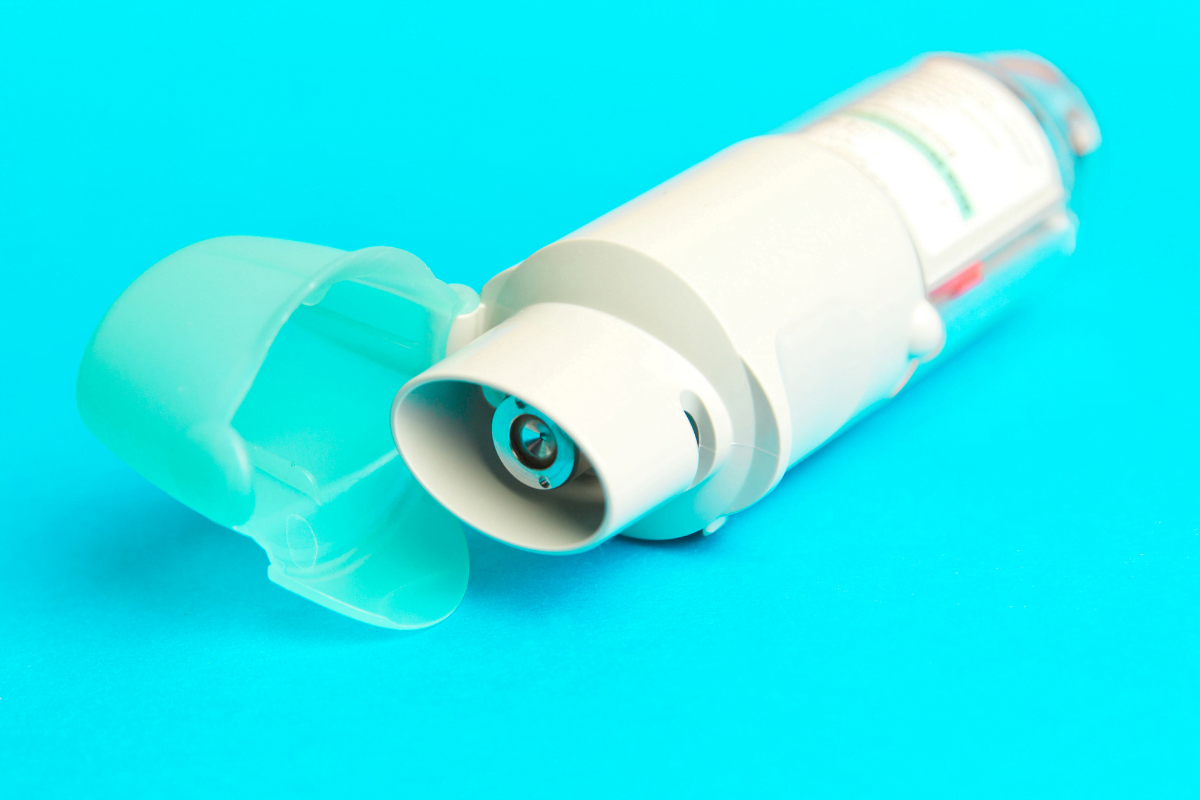
What is Spiriva? Spiriva is a brand name for tiotropium, an inhaled long-acting bronchodilator used as maintenance treatment for chronic obstructive pulmonary disease (COPD) and, in some adults, asthma. It helps keep airways more open over time, but it is not a rescue inhaler for sudden breathing trouble.
This distinction matters. People often expect an inhaler to work quickly during shortness of breath. Spiriva is different. It supports day-to-day control when used consistently, while a quick-relief inhaler such as albuterol is used for sudden symptoms when prescribed.
Key Takeaways
- Medicine class: Tiotropium is a long-acting muscarinic antagonist.
- Main role: It supports maintenance control, not emergency relief.
- Common uses: COPD treatment and selected adult asthma plans.
- Device choice: Respimat and HandiHaler require different techniques.
- Safety focus: Dry mouth, eye symptoms, and urinary issues need attention.
What Spiriva Does in the Airways
Spiriva works by relaxing muscles around the breathing tubes. The generic medicine, tiotropium, belongs to a class called long-acting muscarinic antagonists, or LAMAs. These medicines block muscarinic receptors, which are chemical signal points involved in airway tightening.
In plain language, tiotropium reduces one pathway that tells the airways to squeeze. When that pathway is blocked, the bronchial tubes can stay more open. This may make daily activities feel easier for some people with chronic lung disease.
The Spiriva mechanism of action is not the same as a steroid. Steroids reduce airway inflammation. Tiotropium mainly supports bronchodilation, which means opening the airways. Some asthma or COPD plans include both types of medicine, but they serve different roles.
Why it matters: Knowing each inhaler’s job helps prevent unsafe substitution during symptoms.
Spiriva is also not the same as albuterol. Albuterol is a short-acting beta agonist, often used for quick relief. Tiotropium acts longer and is usually taken on a regular schedule. If your clinician prescribes both, ask which inhaler to use daily and which one to use for sudden symptoms.
When It May Fit COPD or Asthma Care
Spiriva uses center on long-term airway support. In COPD, tiotropium may help reduce baseline breathlessness and support steadier airflow. It is usually part of a broader plan that can include smoking cessation support, vaccinations, pulmonary rehabilitation, trigger reduction, and other inhaled medicines.
For COPD, clinicians often consider symptom burden, flare-up history, inhaler technique, and other health conditions. Some people use a LAMA alone. Others may use combination inhalers that add a long-acting beta agonist, an inhaled corticosteroid, or both. The choice depends on clinical assessment, not brand preference.
In asthma, tiotropium may be used as an add-on controller for certain adults whose symptoms remain difficult despite standard controller therapy. It does not replace an inhaled corticosteroid when that medicine is part of the asthma plan. Instead, it offers another airway-opening pathway.
If you are reviewing treatment roles, our broader Inhaler Therapy resource explains how different inhaler classes can fit into pulmonary care. For COPD and combination therapy context, Trelegy Ellipta Safety discusses another maintenance approach and the safety questions that often come with multi-drug inhalers.
Respimat and HandiHaler: Device Differences That Matter
Spiriva is available through two different device types. Respimat delivers a slow-moving soft mist. HandiHaler uses dry-powder capsules that are placed into the device before inhalation. The medicine is related, but the user steps are not interchangeable.
Many people compare Spiriva Respimat vs HandiHaler because technique affects delivery. Respimat requires cartridge preparation, dose release, and a slow deep breath. HandiHaler requires loading a capsule, piercing it, and inhaling through the mouthpiece so the powder reaches the lungs.
Device fit is practical, not cosmetic. Hand strength, vision, coordination, breathing pattern, and comfort with loading capsules all matter. A person with arthritis may prefer fewer loading steps. Another person may like the feedback of hearing a capsule rattle during inhalation.
Using a Soft-Mist Inhaler
Respimat produces a mist rather than a powder. General technique usually includes breathing out away from the device, sealing your lips around the mouthpiece, pressing the dose-release button as you begin a slow breath, and continuing to inhale steadily. Afterward, you hold your breath briefly if you can do so comfortably.
Priming, cartridge loading, and dose tracking are device-specific steps. Read the patient instructions that come with your inhaler and ask a pharmacist or clinician to watch your technique. Small habits, such as stopping the breath too early, can reduce lung delivery.
Using Dry-Powder Capsules
HandiHaler capsules are for inhalation through the device, not for swallowing. The usual process involves placing one capsule in the chamber, piercing it with the button, and inhaling deeply through the mouthpiece. Some instructions include two inhalations from the same capsule to help empty it.
Powder devices depend on your inhalation effort. If you cannot draw a steady deep breath, tell your clinician. They may reassess your device choice or technique. For format details, you can review Spiriva HandiHaler, Spiriva HandiHaler Refills, and Spiriva Respimat Inhaler as product-specific references, while keeping prescribing decisions with your clinician.
Dosing, Timing, and Missed-Dose Basics
Spiriva dosage depends on the device and the condition being treated. Do not guess, combine device instructions, or change your schedule without medical guidance. The labeled directions for one device may not match the other.
Tiotropium is designed for regular maintenance use. Taking it at a consistent time can help make the habit easier to remember. It does not replace a rescue inhaler for sudden wheezing, chest tightness, or acute shortness of breath.
If you miss a dose, follow the instructions from your prescriber or product leaflet. Many inhaled maintenance medicines advise avoiding doubled doses, but the safest step is to follow your own prescription label. If missed doses happen often, ask about reminders, technique review, or a simpler routine.
For more detail on common regimen questions, see Spiriva Dosage Guidelines. That resource can help you prepare questions about timing, device-specific instructions, and what to do when your routine changes.
Side Effects, Warnings, and Interactions
Spiriva side effects are often related to its anticholinergic action. The most common complaint is dry mouth. Some people also report throat irritation, cough, hoarseness, constipation, blurred vision, or urinary hesitation.
Certain symptoms need prompt attention. Seek medical help if breathing suddenly worsens after using the inhaler, if you develop eye pain or vision changes, or if you cannot urinate. These are not everyday nuisance symptoms and should not be ignored.
People with narrow-angle glaucoma, urinary retention, prostate problems, or significant bladder symptoms should discuss risks before and during treatment. HandiHaler capsules contain lactose and may be unsuitable for people with severe milk protein allergy. Tell your care team about all inhalers, bladder medicines, allergy medicines, sleep aids, and other anticholinergic drugs, because overlapping effects can increase side effects.
Quick tip: Keep an updated inhaler list in your phone or wallet.
Spiriva interactions are often about additive anticholinergic effects rather than a single dramatic drug conflict. Still, medication review matters. Include over-the-counter products and eye drops when discussing your list, because some can affect dryness, urination, or eye pressure.
If side effects are making adherence difficult, do not stop or switch medicines on your own. A clinician can check your technique, review other drugs, and decide whether symptoms are medicine-related. Our Spiriva Side Effects resource covers practical comfort measures and warning signs to discuss.
Cleaning, Storage, and Everyday Technique Checks
Device care helps keep inhaler use consistent. Store inhalers as directed on the label, usually away from excess moisture and heat. Do not wash or soak parts unless the device instructions say to do so.
For Respimat, many instructions recommend wiping the mouthpiece regularly with a damp cloth. For HandiHaler, cleaning may involve removing powder residue and allowing any washed parts to dry completely before reuse. Follow the leaflet for your exact device.
Technique can drift over time. Ask for an inhaler check when symptoms change, after a hospital visit, or when starting a new device. Many people discover small errors only when someone watches them use the inhaler.
- Before inhaling: Breathe out away from the mouthpiece.
- During inhalation: Seal lips and inhale as instructed.
- After dosing: Hold breath briefly if comfortable.
- For capsules: Never swallow inhalation capsules.
- For mist devices: Avoid spraying medicine into the eyes.
If you track symptoms, peak flow readings, rescue inhaler use, or flare-ups, bring that record to appointments. It can help your clinician judge whether the plan is working or whether another factor is driving symptoms.
Comparing Related Inhaler Options
Spiriva is one maintenance option, not the only one. Related choices include other LAMAs, LAMA/LABA combinations, inhaled corticosteroid combinations, and triple-therapy inhalers. These options differ by drug class, device type, approved use, and side effect profile.
People often ask about Spiriva vs Incruse Ellipta, Spiriva vs Trelegy, or Spiriva vs Symbicort. The most useful comparison starts with drug classes. Incruse Ellipta is another LAMA. Trelegy includes three maintenance medicines in one inhaler. Symbicort combines an inhaled corticosteroid with a long-acting beta agonist. These are not simple substitutes, and the right option depends on diagnosis and treatment goals.
Spiriva generic tiotropium may also come up in conversations about access. Generic or alternative tiotropium products can vary by device and market, so confirm the exact product and instructions before switching. If a tiotropium alternative is being considered, Lupin Tiotropium can provide product-page context for discussion, not a replacement for medical advice.
Some people also use a combination bronchodilator that includes tiotropium with another long-acting medicine. For example, Inspiolto Respimat is a related respiratory product page that can help readers understand how combination inhaler formats are presented. Your clinician should explain whether single-agent or combination treatment fits your health history.
Special Situations: Older Adults, Pregnancy, and Breastfeeding
Older adults may use tiotropium, but side effects deserve careful monitoring. Dry mouth may worsen dental discomfort. Constipation, urinary retention, and blurred vision can also be more concerning when other medicines have similar effects.
People who are pregnant, planning pregnancy, or breastfeeding should discuss the benefits and uncertainties of any inhaled medicine. Poorly controlled breathing symptoms can also carry risks, so decisions should balance symptom control with available safety information. Do not stop a prescribed controller without professional guidance.
Access and affordability can also shape adherence. BorderFreeHealth connects U.S. patients with licensed Canadian partner pharmacies, and prescription details may be verified with the prescriber when required before dispensing. For broader respiratory browsing, the Respiratory Health collection and Respiratory Products category can help you organize related reading and product context without replacing clinical review.
Authoritative Sources
For official safety context, the FDA notes that tiotropium marketed as Spiriva HandiHaler is a maintenance bronchodilator and is not for sudden breathing problems in its tiotropium safety information page.
For patient-friendly drug information, MedlinePlus summarizes tiotropium uses, precautions, and administration basics in its tiotropium inhalation medicine overview.
For device and medication details from a major clinical reference, Mayo Clinic provides a concise description of tiotropium inhalation route information in its tiotropium drug monograph.
Recap
What is Spiriva in practical terms? It is tiotropium, a long-acting inhaled bronchodilator used for maintenance control in COPD and selected asthma care. It is not a steroid, and it is not a rescue inhaler.
The biggest safety steps are simple but important. Know your device, follow the labeled instructions, keep a rescue plan for sudden symptoms, and report eye pain, worsening breathing, or urinary problems promptly. If your device feels awkward, ask for a technique check before assuming the medicine is not helping.
This content is for informational purposes only and is not a substitute for professional medical advice.


