
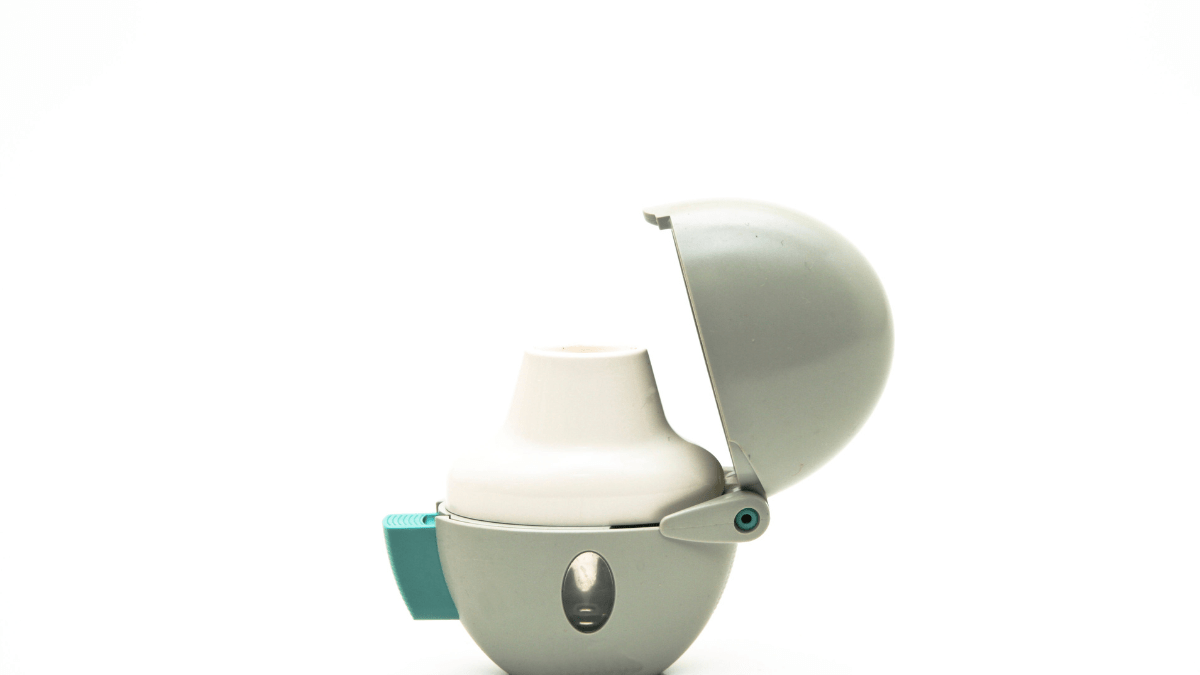
Spiriva Dosage is usually a once-daily maintenance plan, but the exact dose depends on the device, diagnosis, age, and prescribing label. Spiriva contains tiotropium, a long-acting muscarinic antagonist, or LAMA, that helps keep airways open over time. It is not a rescue inhaler for sudden breathing symptoms. Getting the device steps right matters because missed steps can reduce how much medicine reaches your lungs.
This guide explains the practical differences between Respimat and HandiHaler, when to use your dose, what to do after a missed dose, and which safety signals deserve medical attention. Use it to prepare better questions for your prescriber or pharmacist.
Key Takeaways
- Once-daily routine: Use Spiriva consistently as prescribed.
- Device matters: Respimat and HandiHaler deliver tiotropium differently.
- No rescue role: Keep quick-relief medicine available for sudden symptoms.
- Do not double: Missed doses usually should not be stacked.
- Watch side effects: Report eye pain, urinary trouble, or severe symptoms.
How Spiriva Dosing Fits Into Respiratory Care
Tiotropium is used as a maintenance bronchodilator, meaning it helps manage ongoing airway narrowing rather than treating an acute attack. In chronic obstructive pulmonary disease (COPD), it may be part of long-term symptom and flare-up prevention. In asthma, the Respimat form may be used as add-on controller therapy for certain patients when other controller medicines are not enough.
The main dosing idea is simple: use the prescribed device at the same time each day, and do not increase the amount without medical guidance. Some people search for Spiriva dosage twice daily because symptoms return later in the day. That is a reason to call your care team, not a reason to take extra doses. Worsening symptoms may reflect technique problems, disease changes, exposure triggers, or a need to reassess the full treatment plan.
For broader background on the medicine, device types, and respiratory role, see What Is Spiriva. That context can help if you are comparing tiotropium with other inhaled therapies.
Why it matters: A maintenance inhaler only works well when the dose, timing, and technique match the prescribed plan.
Respimat and HandiHaler: What Changes With the Device
The device changes how tiotropium is delivered, so Spiriva Dosage should always be checked against the exact product you were prescribed. Respimat is a soft-mist inhaler. HandiHaler is a dry-powder capsule device. They are not used the same way, and their labeled strengths are not interchangeable without a prescriber’s direction.
Respimat soft-mist inhaler
Respimat releases a slow mist that you inhale through the mouthpiece. It usually requires preparation before first use and may need priming if it has not been used for a while. Many instructions use a simple sequence: turn the base, open the cap, and press the dose-release button while breathing in slowly and deeply.
People often ask about spiriva respimat dosage because the device label may describe micrograms per actuation and the total daily amount. Your prescribed plan may involve more than one inhalation to complete the daily dose. Confirm the number of inhalations with your clinician, pharmacist, and package insert. If you are checking product format or device appearance, the Spiriva Respimat Inhaler page can help with identification, but it should not replace your prescription label.
HandiHaler capsule device
HandiHaler uses capsules that are placed inside the device, pierced, and inhaled as dry powder. The capsules are for inhalation only. They should not be swallowed. Your instructions may tell you to inhale from the same pierced capsule more than once to help empty it fully.
Questions about spiriva handihaler dose often come up because the capsule strength looks different from the Respimat actuation strength. That difference reflects the device format, not a do-it-yourself conversion. If you use the capsule device, handle capsules with dry hands and keep them protected from moisture until use. For device recognition and refill context, see Spiriva HandiHaler and HandiHaler Refills.
Daily Timing, Frequency, and Missed Doses
Most patients are told to use tiotropium once daily, at about the same time each day. The clock time is less important than consistency unless your prescriber gives a specific reason. Morning use helps some people pair the inhaler with brushing teeth. Evening use may work better for others who have a stable night routine.
If you are wondering when to take Spiriva morning or night, ask which schedule fits your symptom pattern, side effects, and other inhalers. Do not change the number of daily doses to match a difficult day. If breathing feels worse despite regular use, follow your action plan and contact your care team.
A spiriva missed dose should usually be handled by skipping the missed dose and returning to the next scheduled dose. Do not double the next dose unless a clinician specifically tells you to. Taking extra inhalations can increase anticholinergic effects, such as dry mouth, constipation, blurred vision, or urinary symptoms, without giving rapid relief.
Quick tip: Keep a simple inhaler log for two weeks if you often lose track of doses.
Step-by-Step Technique for Each Inhaler
Good technique can make the prescribed dose more reliable. Even small errors can reduce delivery to the lungs. If your symptoms are not controlled, bring the device to an appointment and demonstrate how you use it before assuming the medicine itself is failing.
How to use Respimat
- Check that the device is loaded and ready according to its instructions.
- Hold the inhaler upright with the cap closed, then turn the base as directed.
- Open the cap fully and breathe out away from the mouthpiece.
- Seal your lips around the mouthpiece without covering the air vents.
- Begin a slow deep breath, then press the dose-release button.
- Keep breathing in slowly, then hold your breath briefly if comfortable.
- Exhale slowly and repeat only if your prescribed dose requires it.
If the mist sprays into the air or your eyes, stop and review the instructions. Eye exposure can be important for people with narrow-angle glaucoma or eye pain. Clean the mouthpiece as directed, and check the dose indicator so you can plan refills before the device runs empty.
How to use HandiHaler
- Open the dust cap and mouthpiece with dry hands.
- Place one capsule in the chamber, then close the mouthpiece until it clicks.
- Press the piercing button once, then release it.
- Breathe out fully away from the device.
- Seal your lips around the mouthpiece and inhale deeply and steadily.
- Hold your breath briefly if comfortable, then breathe out slowly.
- Repeat the inhalation from the same capsule if your instructions require it.
- Discard the used capsule and keep the device dry.
If you hear the capsule rattle, powder is moving through the device. If you do not hear it, open the device and check that the capsule was pierced and is not stuck. Do not pierce a capsule multiple times unless the official instructions say to do so. For broader inhaler habits that support lung care, see Inhaler Therapy.
Safety Limits, Side Effects, and Interactions
Spiriva Dosage has a safety ceiling, and more is not better. Extra actuations or extra capsules may raise the chance of side effects. Common effects can include dry mouth, throat irritation, cough, or constipation. Some people may notice urinary difficulty, fast heartbeat, blurred vision, or eye discomfort.
Seek urgent medical advice if you develop severe allergic symptoms, sudden worsening breathing right after inhalation, severe eye pain, sudden vision changes, or inability to urinate. These events are uncommon, but they need prompt assessment. People with glaucoma, enlarged prostate, bladder obstruction, kidney impairment, or multiple inhaled anticholinergic medicines should review risks with a clinician.
Interactions can be practical as well as chemical. For example, using more than one anticholinergic inhaler may increase side-effect burden. If you also use ipratropium-containing inhalers, rescue inhalers, inhaled corticosteroids, or long-acting beta agonists, keep an updated medication list. Your pharmacist can check whether the timing and device instructions create confusion.
For symptom tracking and comfort strategies, see Managing Spiriva Side Effects. If your plan includes other bronchodilator combinations, Combivent Respimat Dosage explains related dosing concepts for a different inhaler.
Condition-Specific Questions to Ask Your Clinician
Spiriva dosing for COPD and asthma can differ because the treatment goals, approved devices, and background medicines may differ. COPD plans often focus on daily breathlessness, exercise tolerance, and flare prevention. Asthma plans usually focus on controller therapy, rescue use, triggers, and exacerbation risk.
Ask your clinician which condition the inhaler is treating, which device you should use, and how many inhalations complete the daily dose. Also ask what should happen if you need your rescue inhaler more often. That pattern may signal poor control, an infection, poor inhaler technique, or another issue that needs review.
If you care for a child, older adult, or someone with limited hand strength, device handling deserves extra attention. Respimat requires coordination with a slow inhalation. HandiHaler requires loading and piercing capsules. A person may understand the prescription but still struggle with the device. That mismatch can look like poor response when the real issue is delivery.
For respiratory topic navigation, the Respiratory Health collection may help you find related educational pages. If you are reviewing medication access options without insurance, keep prescription requirements and jurisdiction rules in mind; BorderFreeHealth connects U.S. patients with licensed Canadian partner pharmacies, and pharmacy teams verify prescription details with prescribers where required before dispensing.
Device Counts and Refill Planning
Knowing how many doses remain helps prevent gaps. Respimat devices may include a dose indicator that moves as actuations are used. Priming sprays can count toward the total, so the number on the package may not equal the number of treatment days if the device was primed more than once.
If you are checking how many doses in Spiriva Respimat, use the carton, device label, and patient leaflet rather than memory. HandiHaler users can track remaining capsules in the blister pack. Keep a refill note in your calendar several days before you expect to run out, especially if you use multiple inhalers.
Some people ask how many grams are in Spiriva Respimat 2.5 mcg. That packaging detail refers to product fill amount, not the dose you should inhale. The clinical dosing instructions are based on the labeled actuation strength and prescribed number of inhalations, not the total cartridge weight.
Authoritative Sources
For official U.S. prescribing details, review the current FDA label for Spiriva HandiHaler. It outlines labeled dosing, contraindications, warnings, and device-specific instructions.
For patient-friendly timing and use advice, the NHS explains how and when to use tiotropium inhalers. This can help reinforce daily routine concepts, though your local prescription label remains the priority.
For COPD treatment context, the American Lung Association provides COPD medication information for patients. It explains how maintenance and quick-relief medicines may fit into care.
Spiriva Dosage works best when the dose, device, and daily routine are aligned. Confirm your prescribed inhaler, practice the steps, and ask for a technique check if symptoms change or side effects appear.
This content is for informational purposes only and is not a substitute for professional medical advice.


