

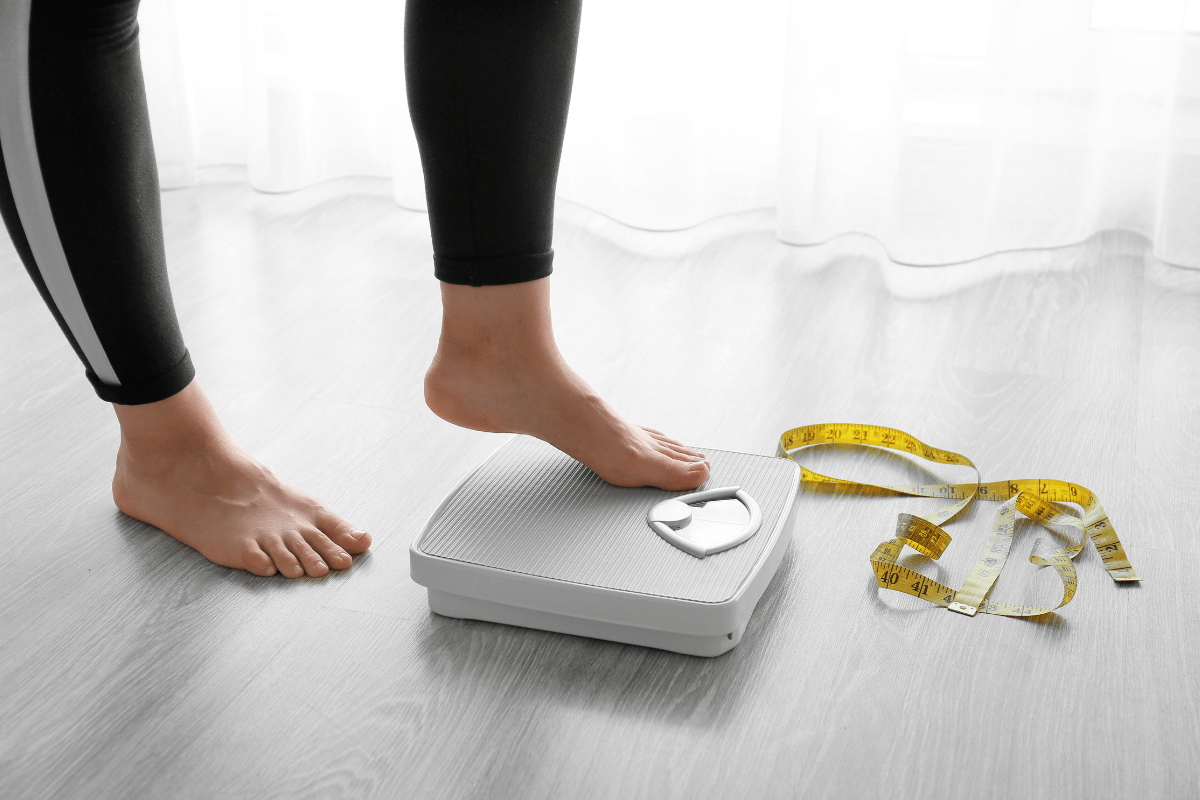
A weight loss plateau on Wegovy usually means your trend has slowed, not that the medicine has stopped working. Wegovy contains semaglutide, a GLP-1 receptor agonist (a medicine class that helps regulate appetite and fullness). As weight changes, your body’s energy needs can change too. Daily factors such as portions, constipation, sleep, stress, activity, alcohol, and missed injections can also hide progress. The safest next step is a measured review, not a crash diet or sudden dose change.
This matters because stalls can feel discouraging. They can also push people toward extreme plans that are hard to sustain. If you need a refresher on meal structure while using this medication, our Wegovy Diet Plan resource gives food-pattern context without replacing medical advice.
Key Takeaways
- Plateaus are common — they do not automatically mean treatment failed.
- Trends matter most — compare weekly averages, not one weigh-in.
- Habits still count — protein, fiber, movement, sleep, and consistency can help.
- Crash tactics backfire — severe restriction often worsens hunger and fatigue.
- Clinical review helps — persistent stalls or symptoms deserve medical input.
What Counts as a Real Plateau?
A true plateau is a flat weight trend over several weeks under similar weighing conditions. One higher scale reading is not enough. Water retention, salty meals, travel, constipation, menstrual-cycle shifts, and hard workouts can all raise scale weight temporarily.
Look at the average, not the drama of one day. Weighing at the same time of day, on the same scale, and in similar clothing makes the data more useful. A two- to four-week pattern is usually more informative than a single low or high number.
It also helps to track non-scale signals. Waist measurements, how clothes fit, walking tolerance, strength, hunger, cravings, and meal consistency can show progress that the scale misses. Some people lose inches while scale weight pauses, especially when activity changes.
Why it matters: Day-to-day scale changes often reflect fluid shifts, not true fat regain.
If you want a simple way to compare your starting point, current weight, and goal progress, this calculator can help organize the numbers. It estimates weight change and percentage progress only; it does not predict outcomes or replace clinical guidance.
Weight-Loss Progress Calculator
Track percentage body-weight change and progress toward a target weight.
These calculations are for education only and do not replace clinical advice, diagnosis, or treatment. Always confirm medical decisions with a qualified healthcare professional.
Why Weight Loss Slows During GLP-1 Treatment
Weight loss often slows because your body has changed. A smaller body usually needs fewer calories for daily living. That means the same meals and activity that created progress earlier may now sit closer to maintenance.
Normal body adaptation
This does not mean your metabolism is broken. It means the target has moved. As body size decreases, total daily energy needs often decrease too. Appetite may still be lower than before treatment, but the gap between intake and energy use may narrow.
Muscle also matters. If weight loss happens with little resistance training or low protein intake, some lean mass may be lost. Preserving strength may support daily function and help your body use energy well. It will not guarantee faster scale changes, but it can make the overall plan more sustainable.
Hidden routine changes
A Wegovy plateau can also come from small shifts that are easy to miss. Portions may grow over time. Snacks may return. Restaurant meals, alcohol, sweet drinks, and weekend grazing can add more energy than expected.
Movement can drift too. Some people walk less without realizing it, especially if nausea, fatigue, or lower energy affects their routine. If tiredness is part of the issue, Wegovy and Fatigue covers rest, hydration, and routine questions to discuss with your care team.
Medication consistency also matters. Missed injections, late doses, side effects that reduce fluids or protein, or uncertainty about the schedule can change how treatment feels. If dosing questions are involved, review them with your prescriber rather than adjusting your plan alone. For general context, see Wegovy Dosage.
Practical Ways to Break a Plateau Safely
The best way to respond is to make the stall measurable, then adjust the basics with care. You do not need to overhaul everything at once. Start with the factors most likely to affect hunger, fullness, movement, and consistency.
Review your pattern before changing your plan
Track your weekly average weight, waist measurement, meals, protein pattern, fiber intake, steps, strength sessions, sleep window, bowel habits, and missed doses. Keep it simple. A short record for one or two weeks can reveal more than memory alone.
Pay attention to constipation. It is common during appetite-suppressing treatment and can hide fat loss on the scale. Fluids, fiber, and movement may help some people, but ongoing or painful constipation should be discussed with a clinician.
Prioritize food structure
Protein and fiber can make meals more filling. Many people do better with planned meals built around lean protein, vegetables, fruit, beans, whole grains, and enough fluids. This approach can reduce grazing without requiring rigid rules.
Very low-calorie plans are not a safe shortcut for everyone. They may worsen fatigue, increase rebound hunger, or make workouts harder. If you have diabetes, kidney disease, a history of eating disorders, pregnancy, or medication-related low blood sugar risk, nutrition changes should be reviewed with a clinician or registered dietitian.
Adjust movement without overcorrecting
Movement helps health even when the scale is quiet. Walking, cycling, swimming, or similar activity can support cardiometabolic health. Strength training helps protect muscle and function. If your routine has become too easy or inconsistent, a modest change in frequency, type, or intensity may be more useful than a punishing reset.
Sleep and stress deserve the same attention. Short sleep can make hunger harder to manage. Stress can increase cravings, alcohol intake, and unplanned snacking. If evenings are the hard part, earlier meal structure, easier food prep, and a more consistent bedtime may help more than willpower alone.
- Average your weight — reduce scale noise.
- Check protein — build meals around fullness.
- Add fiber gradually — support digestion and satiety.
- Keep strength work — protect muscle function.
- Watch weekends — hidden intake often appears there.
- Record side effects — bring patterns to appointments.
Quick tip: Compare your current average with your starting trend, not your lowest single weigh-in.
What Not to Do When Progress Stalls
Do not try to shock your body out of a plateau. There is no reliable clinical shortcut that overrides biology, adherence, sleep, nutrition, and activity. Severe restriction, detox plans, and sudden extreme workouts can make the next month harder.
You may see online rules such as the 2-2-2 rule or 3-3-3 rule for weight loss. These are not standard medical rules for semaglutide treatment. Some versions may include general habits like protein, steps, or water, but catchy formulas cannot replace a review of your medical history, symptoms, and real intake patterns.
Avoid changing your dose or injection schedule without your prescriber. Wegovy can cause gastrointestinal side effects, and rapid changes may worsen tolerability. If symptoms are getting in the way, Wegovy Side Effects explains common concerns and when to seek help.
- Avoid crash diets — they can increase rebound hunger.
- Do not skip fluids — dehydration can become serious.
- Avoid workout spikes — fatigue can reduce consistency.
- Do not chase forums — individual responses vary widely.
- Do not self-adjust doses — ask your prescriber first.
When to Talk With Your Clinician
Talk with your clinician if a weight loss plateau on Wegovy persists despite consistent habits, or if your hunger has returned sharply. A review can help confirm whether this is a true stall, normal slowing, side-effect pattern, or another health issue.
Bring specific notes. Include weekly average weights, waist changes, typical meals, activity, sleep, bowel habits, side effects, missed doses, and any new medicines. This makes the conversation more practical and less frustrating.
Seek prompt medical care if you have severe or ongoing vomiting, cannot keep fluids down, signs of dehydration, new severe abdominal pain, or symptoms that feel urgent. These symptoms should not be managed as a normal plateau.
Prescription and dispensing steps can vary. Where required, prescription details are verified with the prescriber before the partner pharmacy dispenses medication. If you are reviewing access options, the Wegovy product page may provide medication-specific navigation without replacing your clinician’s advice.
How Plateaus Fit Into the Wider Weight-Management Picture
Plateaus can happen with many weight-management approaches, including GLP-1 medicines. They are not unique to one brand. The main question is whether your current plan remains safe, tolerable, and realistic for long-term care.
Some people wonder whether a different medication is the answer. That discussion belongs with a clinician, especially if side effects, blood sugar issues, other medications, or medical conditions are involved. If you are comparing options at a high level, the Weight Management Products category can help you navigate related listings, while the Weight Management post category offers broader educational reading.
Behavioral patterns also matter. Wegovy can reduce appetite, but it does not remove every cue to eat. Stress eating, grazing, reward eating, and skipped-meal rebound can still appear. For more context on these patterns, see Wegovy Breaking the Eating Cycle.
For patients without insurance, cash-pay cross-border prescription options may be available, subject to eligibility and jurisdiction. That access question is separate from the medical decision about whether a plateau needs a treatment review.
Authoritative Sources
- For official semaglutide medication information, see MedlinePlus on semaglutide injection.
- For evidence-based adult weight-management background, review NIDDK adult overweight and obesity guidance.
- For national physical activity recommendations, see Physical Activity Guidelines for Americans.
A plateau can be frustrating, but it is often a signal to review trends, habits, symptoms, and expectations. Small, steady corrections are usually safer than drastic resets. If the stall persists or symptoms appear, involve your care team before changing treatment.
This content is for informational purposes only and is not a substitute for professional medical advice.


