

Key Takeaways
- Rapid weight loss can change facial volume; ozempic face before and after comparisons highlight shifts in fullness and skin texture.
- These changes vary by age, genetics, body composition, and the pace of weight reduction.
- Support your skin with nutrition, resistance training, sunscreen, and barrier-focused skincare.
- Most appearance shifts are modifiable; discuss pacing and options with your clinician.
- Photos online can mislead; lighting, filters, and angles often distort perceptions.
What Is “Ozempic Face”? Mechanisms and Myths
People use the phrase “Ozempic face” to describe facial thinning, laxity, or more visible lines after significant weight loss. The medication class is GLP-1 receptor agonists, and semaglutide is one example. The drug itself does not deflate fat cells directly; the appearance shifts mostly reflect total-body fat loss and fluid changes. Age-related collagen decline and preexisting photoaging can make results look sharper on the face.
Common Managing Ozempic Side Effects resources explain safety considerations; use them to prepare informed questions. For medication facts, the FDA prescribing information offers neutral details about indications and warnings. If you notice early signs of ozempic face, remember that your baseline skin quality and weight trajectory set the stage. Gentle, steady loss and skin-supportive habits can help maintain a balanced look.
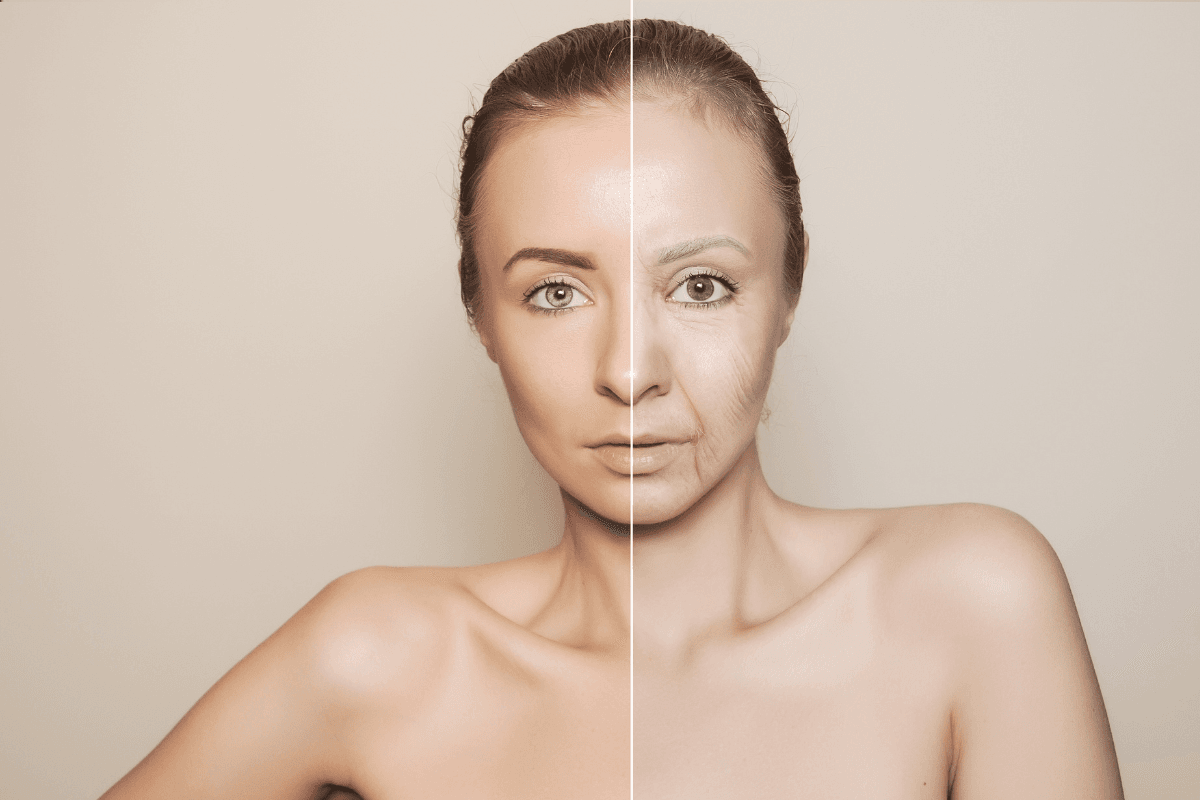
Ozempic Face Before and After: What It Means
Before-and-after comparisons can be useful, but they are not the full story. Facial volume changes rarely track perfectly with scale changes. Two people losing the same amount may look very different because of fat distribution, bone structure, and skin elasticity. Lighting and pose also exaggerate differences, especially around the cheeks and jawline.
Consider what “before” represents. Was it a moment with more swelling, higher sodium intake, or different sleep? The “after” may reflect not just weight loss but also improved habits, better hydration, or fresh skincare. Approaching images critically protects your self-image and helps you focus on sustainable health choices.
Where Changes Show Up: Face, Neck, and “Ozempic Butt”
Weight loss often appears first in the face and neck because those areas carry modest fat stores. Cheeks may hollow slightly, the jawline may look sharper, and lines can appear deeper as volume shifts. The skin’s scaffolding—collagen and elastin—also influences how pronounced these changes look, especially after midlife.
People also mention ozempic butt to describe flatter gluteal contours during weight loss. That look usually reflects global fat loss and reduced muscle tone rather than a medication-specific effect. Resistance training for glutes and hamstrings, progressive overload, and adequate protein can help preserve shape. Neck posture work and core training also support an upright profile that reads as firmer and more lifted.
Timeline: One Month, Three Months, and Beyond
Early in treatment, you may notice debloating and a sharper jaw before major fat loss. Hydration, sodium, and sleep can amplify or diminish these short-term shifts. Around the first month, changes remain subtle and uneven across features. Comparing old photos under similar lighting is more reliable than daily mirror checks.
Some people seek ozempic before and after 1 month photos to predict their path. Use caution with these comparisons because progress and pacing vary widely. A better benchmark is function: strength, energy, blood pressure, and how clothing fits. For planning realism, see our 6-Week Ozempic Results overview, which frames expectations and healthy habits.
Prevention and Support: Habits and Skincare
Small steps can soften the look of rapid loss. Emphasize protein at each meal to support lean mass, aim for resistance training at least twice weekly, and maintain steady hydration. Safer sun habits matter because ultraviolet exposure speeds collagen breakdown and makes volume changes appear harsher.
You can also build a simple routine that respects your skin barrier. Use a gentle cleanser, moisturize consistently, and wear broad-spectrum SPF daily. Retinoids support collagen over time; learn how to introduce them safely in our What Helps Acne Scars guide, which explains skin remodeling basics. For stepwise prevention strategies, see How to Prevent Acne for barrier-friendly routines and sunscreen selection tips.
People often ask how to prevent visible facial hollowing during weight reduction. Practical answers include slower loss, progressive strength work, and topical actives. If appropriate for your routine, a prescription retinoid may help with tone and fine lines; our Retin-A Cream 0.05 page outlines formulation specifics and typical use considerations. To reduce risk and plan holistically, review Ozempic for Weight Loss for mechanism and clinical purpose context.
Behavioral care also matters. Prioritize consistent sleep, manage stress, and respect recovery days between strength sessions. These choices support hormonal balance and skin repair. They can make the overall before-and-after arc look more refreshed and less depleted.
How to Avoid Ozempic Face: Practical Guardrails
Setting a sustainable pace is the most reliable safeguard. Rapid loss reduces subcutaneous fat quickly, which can spotlight fine lines and folds. If you have flexibility, aim for gradual changes guided by your clinician. That approach helps preserve lean mass and mitigates stark facial shifts.
Nutrition supports also help. Prioritize protein, micronutrient-rich produce, and adequate healthy fats for skin barrier integrity. Consider creatine with medical guidance if you lift weights, as it may aid strength maintenance. For appearance management during transitions, Cosmetic Camouflage for Hyperpigmentation offers blending tips that translate well to uneven tone and shadows. As a final note, evidence-based anti-aging advice from the American Academy of Dermatology can guide product choices and expectations.
Tip: Track progress with monthly, same-setting photos and consistent angles. Consistency reduces the false drama created by changing light, makeup, or camera distance.
Treatment Options: From Topicals to Procedures
Many people prefer conservative steps first. Retinoids, peptides, and niacinamide can improve texture and tone modestly over time. Hyaluronic acid serums support hydration without heaviness. If acne flares alongside routine changes, discuss targeted treatments and avoid overly drying products that stress the barrier.
Office options may include neuromodulators, energy devices, and, when appropriate, soft-tissue fillers. These tools can restore balance when hollowness or laxity drives your concern. Skilled, conservative placement matters more than chasing fullness. Always disclose current medications and your weight trajectory so a clinician can tailor the approach safely.
Celebrities and Photos: Read Them Carefully
Celebrity photos generate buzz because famous faces are easy to compare across time. But makeup, lighting, and production values vary from shoot to shoot. Without controlled conditions, “before” and “after” images can exaggerate features dramatically. Weight changes also coincide with styling shifts that change how cheekbones and jawlines appear on camera.
When scanning pictures of ozempic face, apply a critical lens. Ask whether angles, filters, or facial expressions could explain much of the difference. Consider that many public figures use professional skincare and procedural support. For media context that shapes perceptions, see Ozempic Demand Rise for a neutral look at coverage and interest.
Ozempic vs Mounjaro: Are Changes Different?
Semaglutide and tirzepatide both influence appetite and support weight reduction through different mechanisms. Visual changes mainly reflect the amount and speed of loss, not a unique facial effect of one brand. Age, skin history, and resistance training remain the strongest appearance predictors across medications.
Online discussions sometimes highlight mounjaro celebrities before and after narratives. Treat them like any other comparison: interesting, but imperfect. Medication choice belongs to a shared decision with your clinician, based on medical history and goals. If you are tracking health as well as aesthetics, pair photos with strength and function check-ins.
When to Seek Care and What to Ask
Reach out if sudden facial changes worry you, or if they disrupt your confidence. Bring notes on timing, weight trends, and skincare. Ask about pacing options, resistance training plans, and topical routines aligned with your skin type. Discuss whether non-surgical options might rebalance features conservatively.
People often wonder, is ozempic face permanent. Most appearance shifts relate to modifiable factors, including weight stability and skin care. Some laxity is part of aging, but many elements improve with time, strength training, and thoughtful routines. For broader context on symptoms and care, review Type 2 Diabetes Symptoms to understand the condition’s landscape, and check Managing Ozempic Side Effects for practical discussion points.
Realistic Expectations and Self-Image
Progress photos can motivate, but they can also unsettle you during normal plateaus. Build a portfolio of non-scale victories, like improved stamina, better sleep, or steadier moods. Notice how posture, muscle tone, and clothing comfort shift with training. These indicators tell a broader story than a single snapshot.
Consider gentle retinoid use if your clinician agrees and your skin tolerates it. Product selection and technique matter; our What Helps Acne Scars explainer covers collagen-stimulating routines that apply beyond acne. If you need to smooth visible texture for events, strategic makeup can help; consult Cosmetic Camouflage for Hyperpigmentation for blending methods that minimize harsh shadows. When building a long-term plan, layer patience on top of consistent, evidence-based care.
Recap
Facial changes after weight loss are common and highly individual. With realistic pacing, strength training, sun protection, and gentle skincare, most people can soften sharp transitions. Be cautious with online comparisons and focus on health markers alongside appearance. If concerns persist, a clinician can tailor options to meet your goals safely.
For structured expectations during early treatment, see our 6-Week Ozempic Results guide for planning ideas, and revisit Ozempic for Weight Loss to understand clinical intent. For texture-focused support in aging skin, our overview of Retin-A Cream 0.05 explains how retinoids fit into gradual, collagen-supporting care.
This content is for informational purposes only and is not a substitute for professional medical advice.


