

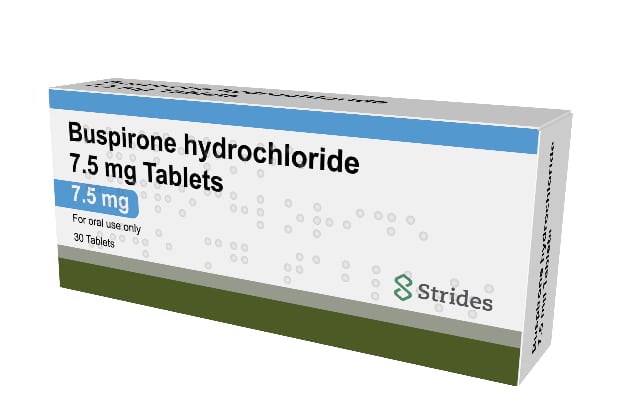
Buspirone and bupropion are not interchangeable medicines. In a buspirone vs bupropion decision, buspirone is usually considered for chronic anxiety symptoms, while bupropion is used for depression, seasonal depression, and smoking cessation support. The right discussion starts with your main symptom pattern, medical history, side-effect concerns, and current medicines.
This distinction matters because these drugs work through different brain systems. One is aimed at worry and tension. The other may help low mood, energy, motivation, and nicotine cravings. Neither choice should be made from a comparison chart alone.
Key Takeaways
- Different roles: Buspirone treats anxiety; bupropion targets depression and nicotine cravings.
- Different mechanisms: Buspirone affects serotonin signaling; bupropion affects norepinephrine and dopamine.
- Different cautions: Bupropion has seizure-related warnings; buspirone often causes dizziness or nausea.
- Different timing: Both usually need steady use and follow-up, not one-time symptom relief.
- Combination care: Clinicians may use them with other medicines when symptoms overlap.
How Buspirone vs Bupropion Works in the Body
Buspirone works mainly as a 5-HT1A receptor partial agonist, which means it influences a serotonin receptor involved in anxiety regulation. In plain language, it can reduce ongoing worry, inner tension, and restlessness without acting like a sedative. It is not designed for instant relief during a sudden panic episode.
Bupropion is an antidepressant that affects norepinephrine and dopamine, two chemical messengers involved in alertness, reward, focus, and drive. It is often described as more activating than many serotonin-based antidepressants. That can be helpful for some people, but it may worsen insomnia or jitteriness in others.
For deeper background on buspirone specifically, see Buspirone Uses. If you are learning the broader medication landscape, Anxiety Medication Basics explains common classes and next-step questions.
Why it matters: Mechanism helps explain why one medicine may fit worry, while the other may fit low energy or cravings.
Uses and Decision Factors Patients Often Ask About
The simplest comparison is this: buspirone is an antianxiety medicine, and bupropion is an antidepressant with a smoking-cessation role. That does not mean every person with anxiety needs buspirone or every person with depression needs bupropion. It means the starting point differs.
Buspirone is approved for anxiety disorders and is commonly discussed when generalized anxiety symptoms dominate. These may include persistent worry, muscle tension, irritability, and feeling keyed up. It may also be considered as an add-on when anxiety persists despite another treatment plan.
Bupropion is approved for major depressive disorder and seasonal affective disorder. A sustained-release form is also used as part of smoking cessation treatment. Clinicians may consider it when depression includes fatigue, low motivation, poor concentration, or nicotine cravings. It is not usually chosen as a first-line calming medicine for acute anxiety.
When people ask which is “better,” the safer answer is that they are better for different treatment goals. A person with nonstop worry but normal energy may have a different discussion than a person with low mood, morning inertia, and tobacco dependence. Your clinician will also consider blood pressure, seizure history, eating-disorder history, sleep, substance use, pregnancy considerations, and other prescriptions.
If bupropion is part of your discussion, Bupropion Uses offers a patient-friendly primer. For a broader comparison of medicine examples, see Medications for Anxiety and Depression.
How These Medicines Compare With Related Options
Buspirone vs bupropion is only one comparison. Many patients also hear about SSRIs, benzodiazepines, or brand-name versions of bupropion. Understanding those categories can make your appointment more productive.
Buspirone versus benzodiazepines
Buspirone is not a benzodiazepine. It does not work like alprazolam or lorazepam, and it is not used for rapid sedation. Benzodiazepines can reduce acute anxiety quickly, but they carry risks such as sedation, impaired coordination, tolerance, and dependence. Buspirone is generally discussed for steady baseline anxiety rather than immediate rescue use.
Questions such as “is buspirone a benzo” or “is buspirone a narcotic” are common and important. The answer to both is no. Buspirone is not an opioid, not a narcotic, and not a controlled substance in the way many sedatives are. Still, it is a prescription medicine and should be used only as directed by a licensed clinician.
Buspirone versus SSRIs
Buspirone and SSRIs, such as escitalopram, can both appear in anxiety treatment plans, but they are not the same type of medicine. SSRIs affect serotonin reuptake and are often used for depression and several anxiety disorders. Buspirone is narrower and is often discussed for generalized worry or as an add-on when anxiety remains.
That context helps explain searches like buspirone vs Lexapro or why a doctor might prescribe buspirone with an SSRI. In some cases, clinicians combine medicines to target different symptom clusters. The key is to know what each medicine is supposed to improve and which side effects should be tracked.
Bupropion, Wellbutrin, SR, and XL
Bupropion is the generic medication name. Wellbutrin is a brand name used for some bupropion products. SR and XL refer to different release patterns, which can affect how the medicine is scheduled and tolerated. Your prescriber chooses a formulation based on clinical goals, sleep pattern, side effects, and safety factors.
Bupropion is sometimes discussed off label for attention-related symptoms, but it is not the same as stimulant ADHD treatment. Any use outside labeled indications should be reviewed carefully with a clinician. If anxiety is prominent, it is also worth discussing whether activation, insomnia, or nervousness could become a problem.
Readers exploring brand and generic terms may find Wellbutrin for Anxiety useful for context.
Side Effects, Warnings, and When to Be Cautious
The safety profiles are different enough that side effects should be part of the first conversation, not an afterthought. Bupropion side effects can include dry mouth, headache, insomnia, nausea, constipation, tremor, sweating, and feeling more anxious or activated. It can also raise blood pressure in some people.
Bupropion has an important seizure warning. Risk can increase with higher exposure, certain medical histories, eating disorders, abrupt alcohol or sedative withdrawal, and some interacting medicines. Tell your prescriber about seizure history, bulimia or anorexia, heavy alcohol use, head injury, and all current prescriptions or supplements.
Buspirone commonly causes dizziness, lightheadedness, nausea, headache, and nervousness. Some people notice these effects more when starting or when doses change. It can interact with certain medicines and substances, including some strong enzyme inhibitors and monoamine oxidase inhibitors. Grapefruit products may also matter for some buspirone users, so ask your pharmacist or prescriber about food and drug interactions.
Seek urgent medical help for severe allergic symptoms, fainting, chest pain, seizure, severe confusion, suicidal thoughts, or sudden dangerous behavior changes. New or worsening mood symptoms should be taken seriously, especially early in treatment or after medication changes.
Quick tip: Bring a current medicine list, including supplements, to every medication visit.
Weight, Energy, Sleep, and Signs of Progress
Weight and energy questions often drive interest in buspirone vs bupropion. Bupropion is generally considered less likely to cause weight gain than some antidepressants, and some people may lose weight. That does not make it a weight-loss medicine for everyone. Appetite, sleep, activity, mood, and smoking changes can all affect weight.
Buspirone is usually considered weight neutral for many people. The question “does buspirone cause weight loss” does not have a simple universal answer. Some people report appetite or weight changes, but those experiences do not prove the medication caused them. Track changes over time and discuss patterns rather than relying on isolated online reviews.
Signs bupropion is working may include better morning activation, more consistent motivation, improved concentration, less hopelessness, or fewer nicotine cravings when it is used for smoking cessation. Some people first notice side effects before benefits. Others notice sleep changes, appetite shifts, or less emotional slowing.
Signs buspirone is helping may be quieter worry loops, fewer tension-driven physical symptoms, and less constant restlessness. Because buspirone does not act like a fast sedative, progress may feel subtle. Weekly notes can help you see whether anxiety is truly changing.
Use a simple tracker with these items: mood, worry, sleep quality, energy, appetite, cravings, dizziness, headaches, and missed doses. Bring it to follow-up appointments. It gives your clinician better data than memory alone.
Can Buspirone and Bupropion Be Used Together?
Buspirone and bupropion together may be considered when anxiety and depression symptoms overlap, but the combination should be clinician-directed. The purpose should be clear. For example, one medicine might target chronic worry while the other targets depressive fatigue or smoking-related cravings.
Combination therapy requires monitoring. Your clinician may ask about sleep, agitation, blood pressure, mood changes, headaches, dizziness, and other side effects. They may also check for interactions with antidepressants, stimulants, migraine medicines, sedatives, alcohol use, or other prescription drugs.
Avoid making same-day changes on your own, such as stopping one medicine or adding leftover medication from a prior prescription. Sudden changes can confuse the picture and may increase risk. If you feel worse after a change, contact your prescriber promptly and describe what changed, when it changed, and what symptoms appeared.
Practical Questions to Bring to Your Clinician
A short question list can turn a rushed visit into a safer medication review. It also helps you avoid focusing only on one appealing feature, such as weight neutrality or fast symptom relief.
- Primary target: Which symptom are we treating first?
- Expected benefit: What change would count as meaningful?
- Safety history: Do any conditions make this option risky?
- Interaction check: Which medicines or supplements matter?
- Monitoring plan: What should I track each week?
- Sleep impact: Could this worsen insomnia or fatigue?
- Next step: When should we reassess tolerability and fit?
If access or medication review is part of your planning, BorderFreeHealth connects U.S. patients with licensed Canadian partner pharmacies for eligible prescription options. When required, prescription details are verified with the prescriber before a partner pharmacy dispenses medication. Product pages such as Buspirone and Bupropion XL can help you recognize names and formulations before discussing them with your clinician.
Authoritative Sources
For official prescribing details on buspirone, review the DailyMed buspirone labeling records. These labels summarize approved uses, warnings, interactions, and adverse reactions.
For bupropion safety and labeling information, see the DailyMed bupropion labeling records. Label details vary by formulation, so match the exact product when reviewing risks.
For patient-centered depression treatment context, the National Institute of Mental Health depression resource explains symptoms, treatment approaches, and when to seek help.
Recap
Buspirone and bupropion serve different clinical roles. Buspirone is mainly an anxiety-focused medicine. Bupropion is mainly an antidepressant and smoking-cessation aid. The best option depends on your symptoms, risks, current medicines, and treatment goals.
Before changing any medication, write down what you want improved, what side effects you most want to avoid, and what medical history your prescriber should know. That preparation supports a safer and more useful shared decision.
This content is for informational purposes only and is not a substitute for professional medical advice.


