

Please note: a valid prescription is required for all prescription medication.
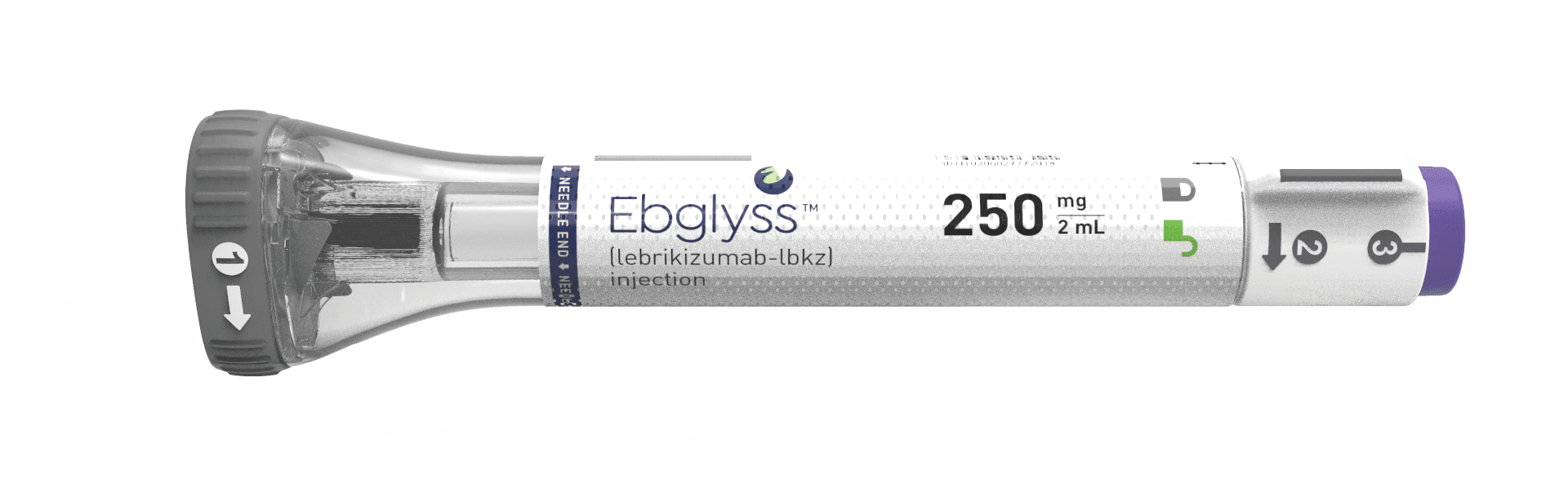
Ebglyss
Ebglyss Medication Guide
Price:
$2,711.99
Secure Encrypted Payments
Ebglyss is a prescription medication used for specific conditions listed in its official labeling. This page explains what to review in the prescribing information, how dosing directions are typically written, and what safety topics to raise with a clinician. BorderFreeHealth can coordinate cash-pay access for people without insurance with US shipping from Canada after a valid prescription is confirmed.
What Ebglyss Is and How It Works
This product page is designed to help patients and caregivers understand the practical basics that usually matter most with a specialty prescription: what the medicine is intended to do, what “how it works” means in plain language, and where to look for details that should come from the official label. Because brand-name therapies can have different approvals and instructions by country, the most reliable source is always the regulator-published monograph or label for the exact product being dispensed.
Orders are coordinated through licensed Canadian partner pharmacies.
In general, a drug’s “mechanism of action” describes the biological target it affects (for example, a receptor, enzyme, or signaling pathway) and how that change may reduce symptoms or modify disease activity. For many modern therapies, the mechanism is described using technical terms; it can help to translate those into everyday outcomes, such as lowering inflammation, changing hormone signaling, or adjusting how the body processes certain molecules. If the label uses unfamiliar terms, the “Clinical Pharmacology” or similar section usually defines them and provides context.
Why it matters: Knowing the intended role of the medicine helps prevent mismatches in expectations and follow-up plans.
Who It’s For
Ebglyss is prescribed only for the specific indication(s) listed in the approved product labeling, and it is not meant to be used as a general substitute for other therapies. Eligibility is usually based on the diagnosis, symptom pattern, prior treatment history, and any precautions described in the label. When a medication is started, clinicians also consider practical factors such as monitoring needs, the ability to follow the administration schedule, and whether other conditions may affect safety.
At a high level, many prescription products share similar “not for everyone” considerations. A common contraindication (reason not to use) is a history of serious hypersensitivity (severe allergy) to the active ingredient or certain formulation components. Other cautions can include pregnancy or breastfeeding considerations, significant organ impairment, or a history that increases the risk of known adverse reactions. For broader education on chronic-condition management beyond this product page, BorderFreeHealth hosts browseable hubs such as Type 2 Diabetes and Chronic Kidney Disease.
Dosage and Usage
Dosing instructions for prescription medicines are individualized and must follow the directions written by the prescriber and shown on the pharmacy label. The schedule may vary based on the condition being treated, kidney or liver function, age, other medicines, and how the patient responds over time. When a prescriber changes a dose or frequency, it is important that all involved clinicians have the same, current medication list to reduce confusion and duplication.
If Ebglyss is missed or taken incorrectly, the safest next step is usually to follow the written instructions provided with the dispensing label and contact the prescribing clinic for clarification, rather than “making up” doses. Some medicines have strict timing rules, while others allow a wider window. Because the right approach depends on the product and indication, a pharmacist or prescriber should confirm what to do in that situation.
Reading the Directions Label
Pharmacy directions are often written using a short “sig” (signature) format. It typically includes the amount per dose, how often to take it, and any special instructions such as taking with food, avoiding certain supplements, or separating from other medications by a set number of hours. If directions include “as needed,” the prescriber should also specify what symptom it is for and what the maximum daily amount is. When the label is unclear, it is reasonable to request plain-language directions in writing for future reference.
Prescriptions are confirmed with the prescriber before dispensing.
Strengths and Forms
Brand-name medications can be available in more than one form (for example, different dosage forms or package configurations), and availability may differ across markets. The specific presentation dispensed also depends on what the prescriber wrote and what is authorized for the product being supplied. If a medication comes in multiple strengths, the label should clearly state the strength and the total quantity provided, along with any device or administration supplies when applicable.
If the product is offered in more than one format, switching between forms should be treated as a clinical decision, because directions, measuring steps, or handling requirements can change. For patients managing multiple chronic therapies, using a single, up-to-date medication list can reduce errors. For condition-focused browsing (separate from this product), the Diabetes Care category is one example of a hub that groups related treatments and supplies.
Storage and Travel Basics
Storage requirements are product-specific, so the most important rule is to follow the instructions printed on the carton and the dispensing label. When a medicine has temperature limits, light sensitivity, or moisture precautions, those details are there to protect potency and reduce the chance of contamination. Keeping the product in its original packaging can also help retain lot and expiry details in case a clinic needs them later.
For Ebglyss, travel planning should focus on preventing temperature extremes and keeping the prescription information accessible. If flying, carrying medicine in a personal item can reduce exposure to very hot or very cold cargo holds. If the product includes a device, avoid packing it loosely where it may be crushed. Patients who use reminders may find it helpful to keep a photo of the pharmacy label (showing name, directions, and refill details) in a secure health folder.
Quick tip: Keep the carton until the course is finished, so lot and expiry details are easy to find.
Side Effects and Safety
Side effects can range from mild, temporary symptoms to rare but serious reactions. The official label is the best source for what has been reported and which symptoms require urgent evaluation. In practical terms, patients are often advised to track new symptoms after starting a prescription, especially changes that affect breathing, swallowing, widespread rash, severe dizziness, or swelling—these can be signs of anaphylaxis (severe allergic reaction) and warrant emergency care.
Because the body can respond differently over time, follow-up plans matter. The prescriber may recommend periodic check-ins or lab tests depending on the medicine’s known risks and the patient’s health history. For safety context on how warnings are commonly presented for another prescription medicine, the article Forxiga Side Effects Guide shows the kind of “common vs serious” structure many labels use. If Ebglyss causes persistent or concerning symptoms, clinicians typically reassess timing, other medications, and whether a different approach is needed.
Drug Interactions and Cautions
Drug interactions can occur when one therapy changes how another is absorbed, metabolized, or eliminated. Interactions also include additive effects, such as two medicines that both increase sedation, bleeding risk, or blood-pressure lowering. Over-the-counter products, vitamins, and herbal supplements can matter too, even when they seem “natural.” Keeping a single list that includes doses and timing helps pharmacists screen more accurately.
Some cautions are situational rather than permanent. For example, upcoming procedures, acute illness with dehydration risk, or starting a new prescription from another clinic can all change the risk profile. Patients should also mention alcohol and cannabis use where relevant, because these can alter side effects like dizziness or impaired concentration. For an example of how mechanisms and interactions are discussed in a medication explainer (separate from this product), see Dapagliflozin Mechanism Overview.
Compare With Alternatives
“Alternatives” can mean different things depending on the diagnosis and treatment goal. In many care plans, alternatives include non-drug strategies (such as trigger avoidance, physical therapy, nutrition changes, or device-based supports), medicines in a different therapeutic class, or a change in formulation to improve adherence. The decision is usually based on the indication, expected benefit for that condition, safety considerations, and the monitoring burden.
It is important not to assume that another product page represents a direct substitute, because medicines can treat very different conditions even when they appear side-by-side in a catalog. Examples of other prescription listings on this site include Dapagliflozin and Kerendia, which have their own labeled uses and precautions. For condition education that may be relevant to some patients managing multiple diagnoses, browse Heart Failure resources or the guide SGLT2 Inhibitors Heart Failure.
Pricing and Access
Out-of-pocket pricing for a brand medication is influenced by the prescribed quantity, the form supplied, and whether the product is considered a specialty therapy that may require additional handling. Some patients also explore manufacturer programs, foundation support, or other assistance pathways when eligible; availability and criteria vary. For those coordinating Ebglyss through this platform, the prescription must be valid and complete before it can be routed for dispensing.
Cash-pay access is available for people without insurance.
To compare options across conditions and learn how other long-term therapies are discussed, the site’s Type 2 Diabetes Posts and the overview Diabetic Kidney Disease can provide broader context. Sitewide offers, when available, are listed on the Promotions page.
Authoritative Sources
For regulator-published labels and approval details, use official databases such as FDA Drugs@FDA.
For Canadian product monographs and status listings, consult Health Canada Drug Product Database.
For general patient-friendly drug information terminology, see MedlinePlus Drug Information.
To request dispensing coordination, submit prescription details in your account for prompt, express shipping.
This content is for informational purposes only and is not a substitute for professional medical advice.
Express Shipping - from $25.00
Shipping with this method takes 3-5 days
Prices:
- Dry-Packed Products $25.00
- Cold-Packed Products $35.00
Shipping Countries:
- United States (all contiguous states**)
- Worldwide (excludes some countries***)
Standard Shipping - $15.00
Shipping with this method takes 5-10 days
Prices:
- Dry-Packed Products $15.00
- Not available for Cold-Packed products
Shipping Countries:
- United States (all contiguous states**)
- Worldwide (excludes some countries***)
What is Ebglyss used for?
Ebglyss is prescribed for specific condition(s) that are listed in the official product labeling for the version being dispensed. Because indications can vary by country and by product authorization, the most reliable way to confirm use is to review the regulator-published monograph or label and the directions from the prescriber. If the reason for therapy is not clear from the clinic visit notes or the pharmacy label, a pharmacist or the prescribing clinician can clarify what treatment goal is expected and how success is usually assessed.
How do I find the official prescribing information for Ebglyss?
Official prescribing information is typically published by drug regulators and may also be provided by the manufacturer. The most dependable sources are regulator databases (for example, FDA Drugs@FDA in the U.S. or Health Canada’s Drug Product Database). These sources help confirm the approved indications, dosing instructions, contraindications, side effects, and storage requirements for the exact product. Make sure the document matches the country and presentation being dispensed, because directions and warnings can differ across versions.
What should I do if I miss a dose of Ebglyss?
Missed-dose instructions are product-specific and depend on the dosing schedule. The safest approach is to check the dispensing label and any patient leaflet that came with the medication, then contact the prescribing clinic or a pharmacist for confirmation. In many cases, doubling up doses is not recommended unless a clinician explicitly instructs it. If multiple medicines are taken together, clarify whether the missed dose changes the timing of other prescriptions as well.
What side effects should be monitored with Ebglyss?
Monitoring depends on what the product labeling lists as common and serious adverse effects. In general, new or worsening symptoms after starting any prescription should be tracked, especially those that are persistent, severe, or unusual for the patient. Seek urgent evaluation for symptoms of a severe allergic reaction such as trouble breathing, swelling of the face or throat, or widespread hives. The prescriber may recommend follow-up visits or tests based on medical history, other medications, and known risks in the label.
Can Ebglyss interact with other medications or supplements?
Yes, interactions are possible with many prescription medicines, over-the-counter products, and supplements. Interactions may change how a drug is processed, increase side effects, or create additive risks (for example, more dizziness or bleeding tendency). It helps to keep a current list of all products taken, including doses and timing, and share it with both the prescriber and pharmacist. If a new medication is added by another clinic, ask whether it changes how this therapy should be used or monitored.
What should I ask my clinician before starting Ebglyss?
Useful questions include: what diagnosis this medication is treating, what benefit the prescriber expects, and how response will be measured. Ask about the most important warnings from the label, symptoms that require urgent care, and whether any lab tests or follow-up visits are needed. It is also reasonable to discuss pregnancy or breastfeeding considerations, planned surgeries or procedures, and how other medical conditions may affect safety. Finally, confirm what to do if a dose is missed and whether any other medicines should be adjusted.
Rewards Program
Earn points on birthdays, product orders, reviews, friend referrals, and more! Enjoy your medication at unparalleled discounts while reaping rewards for every step you take with us.
You can read more about rewards here.
POINT VALUE
How to earn points
- 1Create an account and start earning.
- 2Earn points every time you shop or perform certain actions.
- 3Redeem points for exclusive discounts.
How to book an appointment
- 1Create Begin by completing a profile or log into your existing account. This step ensures we have the necessary information to provide you with a service that's tailored to your needs. account and start earning.
- 2Scheduling an appointment with our online booking system is easy. Pick a day and time that suits you. You’ll receive an immediate confirmation, without the wait.
- 3Discuss your concerns and symptoms and receive a thorough diagnosis from one of our licensed doctors during a confidential video appointment.
- 4If you've been prescribed medication, your Rx is sent directly to one of our licensed pharmacies and delivered right to your door.
Get Started
To book an online doctor appointment, register for an account or login. After doing so, you can book your visit on this page.
You Might Also Like
Select options
This product has multiple variants. The options may be chosen on the product page
Select options
This product has multiple variants. The options may be chosen on the product page
Select options
This product has multiple variants. The options may be chosen on the product page
Select options
This product has multiple variants. The options may be chosen on the product page