
Please note: a valid prescription is required for all prescription medication.
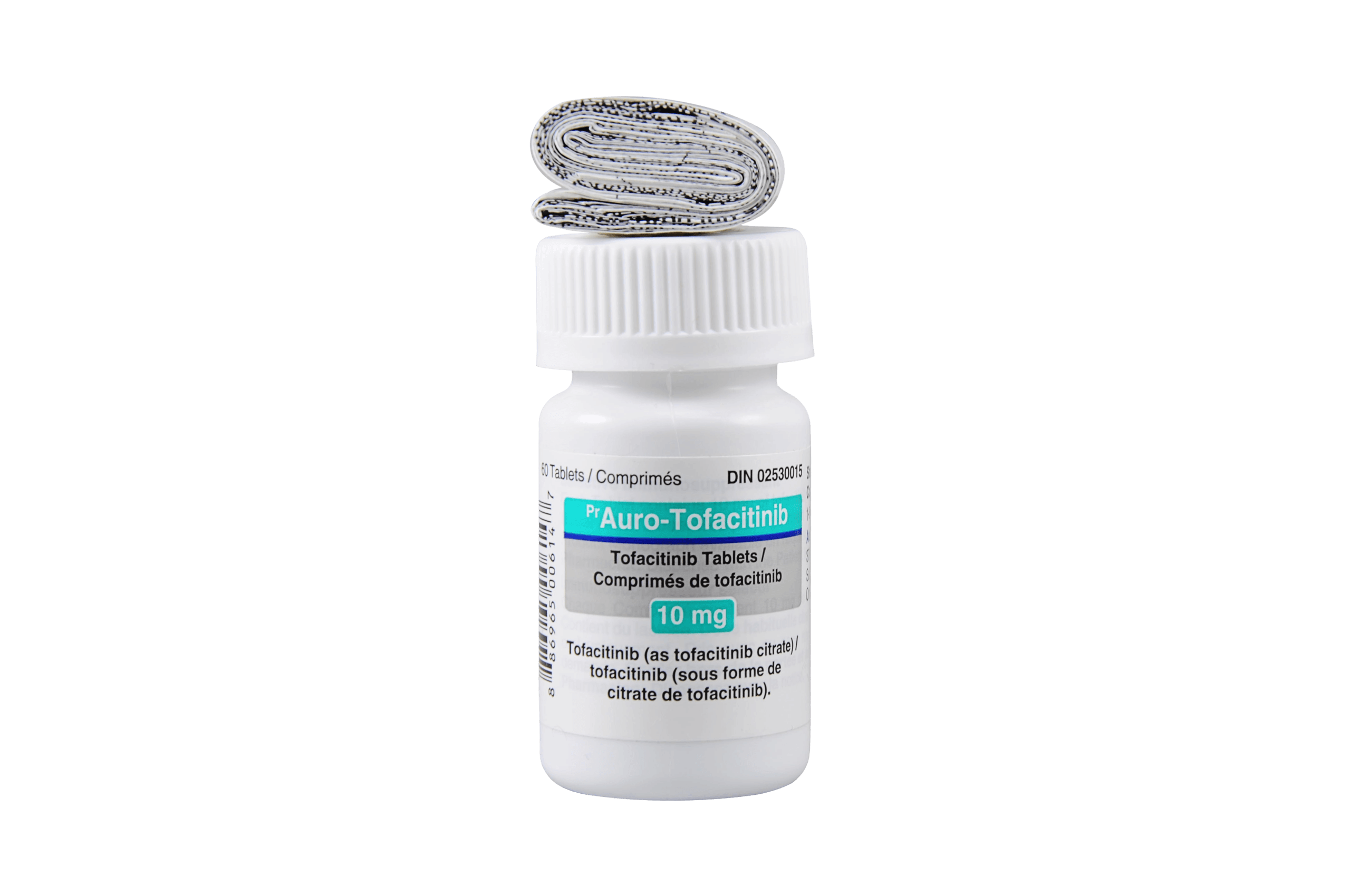
Tofacitinib
Buy Tofacitinib Online
Secure Encrypted Payments
Tofacitinib is an oral Janus kinase inhibitor used for selected inflammatory conditions when a clinician determines it fits the treatment plan. You can buy Tofacitinib online, view the current price, and choose the available strength shown during ordering so it matches the directions from your healthcare professional. Because this medicine affects immune signaling, the safest purchase decision includes a clear treatment reason, a matched form, and awareness of infection, clotting, heart, and monitoring concerns.
Tofacitinib is the active ingredient in Xeljanz and Xeljanz XR, although release pattern, strength, and brand wording can differ. It is commonly discussed for rheumatoid arthritis, psoriatic arthritis, ankylosing spondylitis, ulcerative colitis, and selected pediatric inflammatory arthritis settings, depending on the product and local labeling. Your clinician’s directions should guide whether an immediate-release tablet, extended-release tablet, or another oral format is appropriate.
Tofacitinib Price and Strength Selection
The Tofacitinib price can vary by brand or generic selection, release type, quantity, and the dose or strength chosen during checkout. A lower or higher strength is not automatically better; the right choice is the one that matches the treatment plan and label directions. If you are switching between brand and generic wording, the active ingredient may be the same, but the release pattern still matters.
When viewing current cost, pay attention to whether the medicine is described as immediate-release or extended-release. Immediate-release products and extended-release products are not interchangeable in every situation. The strength shown during ordering should align with the written directions you already use, especially if the medicine is being taken for ulcerative colitis, rheumatoid arthritis, or another immune-mediated condition.
- Match the release type: IR and XR tablets can have different daily routines.
- Match the strength: choose only the strength that fits clinician directions.
- Match the condition: dosing schedules differ by labeled use.
- Match the active ingredient: Tofacitinib citrate and brand names may appear differently across markets.
- Match the quantity: the quantity should reflect your intended supply and daily use instructions.
Quick tip: Keep the medicine name, form, strength, and directions together when checking price, so the product you choose matches your treatment plan.
How to Order Tofacitinib for US Delivery from Canada
Tofacitinib can be ordered through licensed pharmacy channels with US delivery from Canada when the requested medicine, directions, and order information align. During ordering, choose the available dose or strength that matches your clinician’s instructions rather than selecting by price alone. We may review order details to help ensure the medicine, form, and strength are consistent with the request.
Some customers use cross-border cash-pay ordering when they are paying out of pocket and want to see the current product cost clearly before purchase. Product availability, final price, and processing details can depend on the exact medicine selected, the requested quantity, and the information provided with the order. When processing is complete, the medicine may ship with prompt, express shipping.
Before placing an order, review your current medication list and recent health changes. Tofacitinib can interact with medicines that affect drug breakdown, and it may not be suitable during active infection or in people with certain risk factors. Ordering the correct product is only one part of safe use; ongoing lab monitoring and timely communication with your healthcare team are also important.
What Tofacitinib Is Used For
Tofacitinib belongs to the Janus kinase inhibitor class, often called JAK inhibitors. These medicines reduce specific immune signals that contribute to inflammation. In many label settings, Tofacitinib is used for adults with rheumatoid arthritis, psoriatic arthritis, ankylosing spondylitis, or ulcerative colitis after other therapies have not worked well enough or cannot be used. Some formulations are also used in selected pediatric inflammatory arthritis situations.
For rheumatoid arthritis, Tofacitinib is a disease-modifying treatment, not a simple pain reliever. It is intended to help manage immune-driven inflammation as part of a broader plan that may include lab monitoring, infection screening, and evaluation of prior medicines. If joint pain is your main concern, the Rheumatoid Arthritis condition section can help place this medicine in context, and medications that treat rheumatoid arthritis explains how therapy categories differ.
For ulcerative colitis, Tofacitinib may be considered when inflammation in the colon requires systemic immune treatment. The same active ingredient may be discussed differently depending on whether the goal is initial control, ongoing maintenance, or switching after another therapy. Your healthcare professional should decide how Tofacitinib fits with disease severity, infection history, and prior treatment response.
- Rheumatoid arthritis: used as a disease-modifying anti-inflammatory option in appropriate adults.
- Psoriatic arthritis: considered when joint and immune symptoms need systemic control.
- Ankylosing spondylitis: used in certain adult treatment settings.
- Ulcerative colitis: used when labeled criteria and risk assessment support treatment.
- Pediatric inflammatory arthritis: selected versions may be used in specific settings.
Why it matters: The best product choice starts with the correct condition, release type, and monitoring plan.
Forms, Strengths, and Brand Relationships
Tofacitinib may appear as a generic active ingredient or under brand names such as Xeljanz and Xeljanz XR. Xeljanz is commonly associated with immediate-release tablets, while Xeljanz XR refers to an extended-release version. The active ingredient is related, but the release pattern can change how the medicine is taken, so brand substitution or release-type switching should be handled carefully.
| Form | Examples seen in labeling | Practical note |
|---|---|---|
| Immediate-release tablet | 5 mg, 10 mg | Often taken once or twice daily depending on the condition and directions. |
| Extended-release tablet | 11 mg | Usually taken once daily and swallowed whole. |
| Oral solution | Market specific | Used only when a liquid format is directed. |
Extended-release tablets should not be split, crushed, or chewed because changing the tablet can affect drug release. If your directions refer to Xeljanz IR, Xeljanz XR, Tofacitinib 10 mg, or another specific wording, use that wording to guide the product selection. Country-specific naming can differ, so focus on active ingredient, release type, strength, and directions together.
How to Take Oral Tofacitinib Safely
Oral Tofacitinib is typically taken on a regular schedule, with timing based on the indication and formulation. Immediate-release tablets may be taken once or twice daily depending on the condition, while extended-release tablets are usually taken once daily. The medicine can generally be taken with or without food, but food may help if mild stomach upset occurs.
Do not change the dose, stop suddenly, or restart after an infection without professional guidance. Lab results, kidney or liver function, and interacting medicines can all affect the right routine. If a dose is missed, follow the product label or the instructions from your healthcare professional rather than doubling up on your own.
- Keep timing consistent: daily routines make use and monitoring easier.
- Swallow XR whole: altered extended-release tablets may release medicine incorrectly.
- Report infections promptly: immune suppression can make infections harder to control.
- Track lab appointments: blood counts, liver tests, and cholesterol may need monitoring.
- Keep an updated medicine list: interactions can change Tofacitinib exposure.
Side Effects, Boxed Warnings, and Monitoring
Tofacitinib reduces immune activity, so infection risk is one of the most important safety issues. Common side effects can include headache, diarrhea, nausea, upper respiratory symptoms, rash, and changes in lab values. Some people tolerate the medicine well, but routine monitoring remains important because serious problems can develop even when early symptoms are mild.
Serious risks described in labeling include severe infections such as tuberculosis, shingles, pneumonia, and other opportunistic infections. Other major concerns include blood clots, major cardiovascular events, some cancers, low blood cell counts, liver test changes, increased cholesterol, and, less commonly, bowel perforation. Risk may be higher in older adults, current or former smokers, and people with a history of heart disease, clotting events, cancer, or chronic infection.
Before and during treatment, clinicians often evaluate blood counts, liver enzymes, kidney function, and cholesterol. Screening for tuberculosis, hepatitis, or other infections may also be part of safe use. Live vaccines are generally avoided during treatment, and vaccine timing should be discussed before starting therapy when possible.
- Seek urgent help: sudden chest pain, shortness of breath, one-sided weakness, or speech trouble needs emergency care.
- Report clot symptoms: leg swelling, leg pain, or unexplained breathlessness needs prompt attention.
- Report infection signs: fever, persistent cough, painful rash, or unusual fatigue should be addressed quickly.
- Watch bowel symptoms: severe abdominal pain or fever with stomach symptoms needs review.
- Follow monitoring plans: lab changes can guide whether treatment should continue or be adjusted.
People with an active serious infection should not start or continue immune-suppressing therapy without individualized medical direction. The same caution applies if Tofacitinib is used with steroids or other medicines that affect immune function. Safety decisions should balance disease control with infection, cardiovascular, clotting, and cancer risk.
Interactions and Cautions Before Use
Tofacitinib has important interaction considerations. It is generally not combined with biologic immune therapies or strong immunosuppressants such as azathioprine or cyclosporine because the combined immune effect may raise infection risk. Certain antifungals, antibiotics, seizure medicines, and other drugs can change Tofacitinib levels by affecting CYP3A4 or CYP2C19 enzymes.
Kidney or liver impairment may change how the medicine is handled by the body. A history of diverticulitis, gastrointestinal ulcers, clotting events, cardiovascular disease, cancer, tuberculosis exposure, shingles, or chronic infection can also affect suitability. If you smoke now or smoked in the past, discuss that history because it is relevant to the safety profile described for this drug class.
- Strong CYP inhibitors: some medicines can raise Tofacitinib exposure.
- Strong CYP inducers: some medicines can reduce drug levels and effect.
- Other immune therapies: combinations may increase serious infection risk.
- Live vaccines: timing should be addressed before therapy begins.
- NSAIDs and bowel history: added caution may apply in people at risk for bowel perforation.
Storage and Travel Basics
Store Tofacitinib tablets at room temperature in the original container unless the product label gives different instructions. Keep tablets dry, away from excess heat, and out of reach of children and pets. Bathrooms, windowsills, and hot cars are poor storage locations because moisture and heat can affect medicine quality.
If you travel, keep the labeled container with you and carry enough medicine for the planned trip. Do not combine tablets with other medicines in an unmarked container, especially if the tablets look similar. If an oral solution is used, follow bottle-specific storage and discard instructions.
- Keep original packaging: it helps identify the medicine and strength.
- Protect from moisture: use a dry storage location.
- Do not crush XR tablets: the release system must stay intact.
- Carry a medication list: it helps if medical care is needed away from home.
- Check refill timing early: plan ahead before travel or schedule changes.
Related Tofacitinib and JAK Inhibitor Options
Brand and generic options can differ by release type, strength, and labeling. Xeljanz tablets are the brand immediate-release version of Tofacitinib, while Xeljanz XR is the brand extended-release version. Taro Tofacitinib XR may be relevant when an extended-release Tofacitinib option is being considered.
Another JAK inhibitor, Olumiant, contains a different active ingredient and has its own labeled uses, risks, and monitoring requirements. It should not be treated as a simple substitute for Tofacitinib. The right comparison depends on diagnosis, prior treatment response, infection risk, clotting and cardiovascular history, dosing preference, and the exact medicine directions.
| Option | How it differs | Practical buying point |
|---|---|---|
| Tofacitinib | Generic active ingredient for selected oral JAK inhibitor treatment | Choose the available strength and release type that match directions. |
| Xeljanz | Brand immediate-release Tofacitinib | Useful when brand IR wording is specified. |
| Xeljanz XR | Brand extended-release Tofacitinib | Relevant when once-daily XR use is directed. |
| Olumiant | Different JAK inhibitor active ingredient | Requires separate suitability and safety assessment. |
Authoritative Sources
For patient-focused drug information, boxed warning context, side effects, and precautions, see MedlinePlus drug information for tofacitinib.
For professional safety information and labeled indication context for the brand medicine, review Pfizer professional safety information for Xeljanz.
For clinical discussion of mechanism, monitoring, uses, and interactions, read NCBI Bookshelf clinical review of tofacitinib.
This content is for informational purposes only and is not a substitute for professional medical advice.
Absolute Neutrophil Count Calculator
Calculate ANC from white blood cell count, neutrophil percentage, and optional band percentage.
ANC-cells/uL
ANC-10^9/L
These calculations are for education only and do not replace clinical advice, diagnosis, or treatment. Always confirm medical decisions with a qualified healthcare professional.
eGFR Calculator
Estimate kidney filtration using the 2021 CKD-EPI creatinine equation.
eGFR
-
mL/min/1.73 m2
G category
-
requires clinical context
These calculations are for education only and do not replace clinical advice, diagnosis, or treatment. Always confirm medical decisions with a qualified healthcare professional.
Cholesterol Ratio Calculator
Calculate common lipid ratios and non-HDL cholesterol from a standard cholesterol panel.
Total / HDL
-
cholesterol ratio
LDL / HDL
-
lipid ratio
Non-HDL
-
total minus HDL
These calculations are for education only and do not replace clinical advice, diagnosis, or treatment. Always confirm medical decisions with a qualified healthcare professional.
Cholesterol Unit Converter
Convert cholesterol and triglyceride values between mg/dL and mmol/L.
mg/dL
-
US lipid unit
mmol/L
-
-
These calculations are for education only and do not replace clinical advice, diagnosis, or treatment. Always confirm medical decisions with a qualified healthcare professional.
Express Shipping - from $29.99
Shipping with this method takes 3-5 days
Prices:
- Dry-Packed Products $29.99
- Cold-Packed Products $39.99
Shipping Countries:
- United States (all contiguous states**)
- Worldwide (excludes some countries***)
Standard Shipping - $19.99
Shipping with this method takes 5-10 days
Prices:
- Dry-Packed Products $19.99
- Not available for Cold-Packed products
Shipping Countries:
- United States (all contiguous states**)
- Worldwide (excludes some countries***)
What is Tofacitinib used for?
Tofacitinib is an oral JAK inhibitor used in selected inflammatory conditions, including rheumatoid arthritis, psoriatic arthritis, ankylosing spondylitis, ulcerative colitis, and some pediatric inflammatory arthritis settings depending on the formulation and labeling. A healthcare professional should determine whether it fits your diagnosis, prior treatment response, and safety profile.
Is Tofacitinib the same as Xeljanz?
Tofacitinib is the active ingredient in Xeljanz and Xeljanz XR. The brand name, release pattern, and strength can differ, so immediate-release and extended-release products should not be treated as automatically interchangeable.
What are the major safety risks with Tofacitinib?
Major risks include serious infections, blood clots, major cardiovascular events, certain cancers, low blood counts, liver test changes, higher cholesterol, and rare bowel perforation. Seek urgent care for chest pain, shortness of breath, sudden weakness, speech changes, or symptoms of a possible clot.
Can Tofacitinib be taken with other immune medicines?
Tofacitinib is generally not combined with biologic immune therapies or strong immunosuppressants such as azathioprine or cyclosporine because infection risk may increase. Other medicines, including some antifungals, antibiotics, and enzyme-inducing drugs, may also affect Tofacitinib levels.
How should Tofacitinib tablets be stored?
Store tablets at room temperature in the original container unless the label says otherwise. Keep them dry, away from excess heat, and out of reach of children and pets. Extended-release tablets should be swallowed whole and not crushed, split, or chewed.
Rewards Program
Earn points on birthdays, product orders, reviews, friend referrals, and more! Enjoy your medication at unparalleled discounts while reaping rewards for every step you take with us.
You can read more about rewards here.
POINT VALUE
How to earn points
- 1Create an account and start earning.
- 2Earn points every time you shop or perform certain actions.
- 3Redeem points for exclusive discounts.
You Might Also Like
Select options
This product has multiple variants. The options may be chosen on the product page
Select options
This product has multiple variants. The options may be chosen on the product page
Select options
This product has multiple variants. The options may be chosen on the product page
Select options
This product has multiple variants. The options may be chosen on the product page