

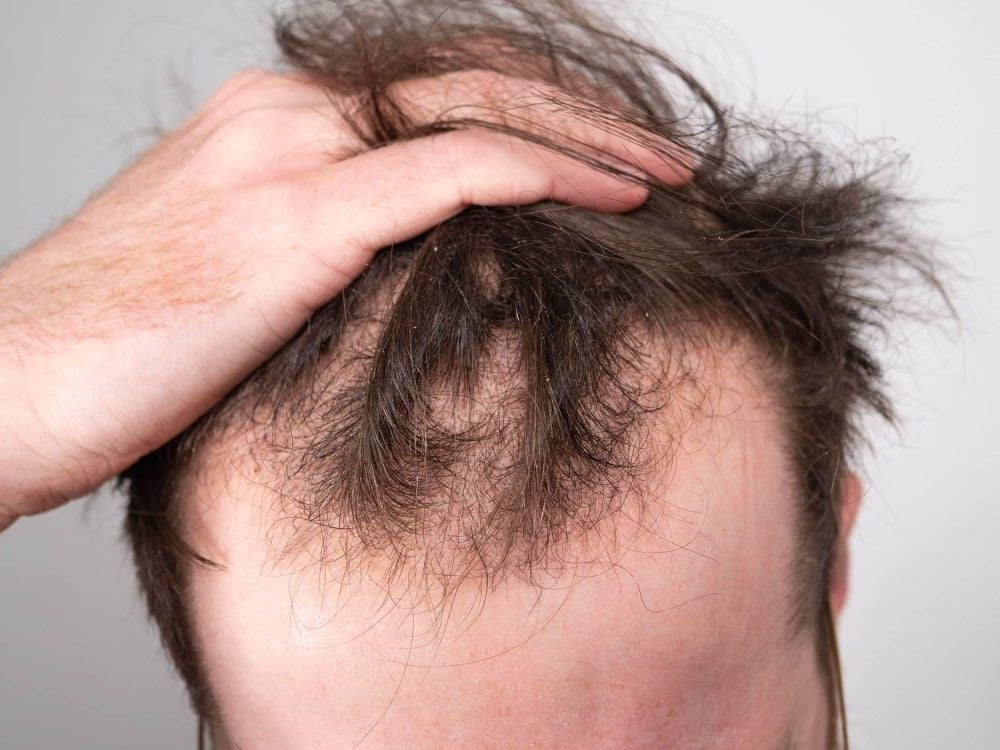
Hair loss treatment works best when it matches the cause of shedding, thinning, or patchy loss. Some people need scalp care and time. Others may benefit from medication, lab testing, or a dermatologist’s exam. The first step is not choosing the “strongest” product. It is figuring out why the hair is changing, because pattern hair loss, stress shedding, autoimmune alopecia, thyroid disease, low iron, and styling damage need different plans.
Thinning hair can affect confidence, identity, and mood. That emotional weight is real. A practical plan can still feel manageable when it starts with clear observation, a focused medical review, and realistic expectations about the hair growth cycle.
Key Takeaways
- Start with the cause: diagnosis guides safer choices.
- Act early when possible: long-standing thinning can be harder to reverse.
- Expect gradual change: hair cycles move slowly.
- Combine approaches carefully: scalp care, nutrition, and medication may overlap.
- Seek help for red flags: patchy, painful, sudden, or scarring loss needs review.
Why Hair Loss Happens
Hair loss usually reflects a change in the follicle, the scalp, the hair shaft, or the body’s internal signals. Androgenetic alopecia (hereditary pattern thinning) is common in adults. It often causes a widening part, crown thinning, or a receding hairline. Telogen effluvium (stress-related shedding) can happen after illness, surgery, childbirth, major weight change, or emotional strain. Alopecia areata is an autoimmune condition that can cause smooth patches of hair loss.
Other contributors include low iron, thyroid imbalance, scalp inflammation, some medicines, tight hairstyles, and breakage from heat or chemical processing. These causes can overlap. For example, a person may have inherited thinning and then notice heavier shedding after a major illness.
Why it matters: Treating the wrong cause can waste months and increase frustration.
You can start by noting where hair is changing. Diffuse shedding from the whole scalp often suggests a different process than a slowly widening part. Round patches, scalp scaling, redness, pain, or loss of eyebrows or eyelashes should prompt medical review. If you want more context on inherited male-pattern changes, see Male Pattern Baldness.
How Clinicians Evaluate Thinning Hair
A good evaluation asks three questions: what pattern is visible, what changed recently, and whether the scalp looks healthy. Your clinician may ask about family history, pregnancy, menstrual changes, weight change, recent infection, new medications, diet, and hair practices. They may examine the scalp closely and gently test how easily hairs shed.
Photos can help. Take pictures in the same lighting, with the same part line, every four to six weeks. Daily mirror checks can make normal variation feel alarming, but consistent photos reveal broader trends.
Lab testing is not always needed, but it can help when the story suggests a medical contributor. Common checks may include iron status, thyroid markers, or other tests based on symptoms. A clinician may also consider scalp conditions such as psoriasis, seborrheic dermatitis, or scarring alopecia. Scarring forms can permanently damage follicles, so early assessment matters.
Young adults sometimes assume hair loss is too early to be “real.” It can still happen. Shifts in stress, hormones, medications, nutrition, and genetics may all play a role. For a broader look at age trends, read Hair Loss in Young Adults.
Hair Loss Treatment Options That May Be Discussed
The most effective hair loss treatment depends on the diagnosis, the stage of loss, and personal safety factors. No single option is best for everyone. Many plans use layers: gentle hair care, treatment of scalp inflammation, correction of deficiencies when present, and medication when appropriate.
Topical and oral medicines
Minoxidil is a common nonprescription option used for certain forms of pattern thinning. It may help support hair cycling and reduce ongoing thinning for some people. It needs consistent use, and early shedding can occur in some users as follicles shift phases. People with heart conditions, scalp irritation, pregnancy considerations, or complex medication histories should discuss use with a clinician.
Some readers compare product forms before speaking with a clinician. For neutral product-page context, see Minoxidil, Rogaine Foam, or Rogaine Solution. These links are for navigation and product identification, not proof that one option fits your situation.
Finasteride is a prescription medicine sometimes used for male pattern hair loss in selected adults. It affects the conversion of testosterone to dihydrotestosterone, often called DHT. DHT can shrink susceptible follicles in androgenetic alopecia. Finasteride is not appropriate for everyone, and pregnancy-related exposure precautions are important. Discuss benefits, risks, sexual side effects, mood concerns, fertility questions, and monitoring with a healthcare professional.
When prescription access is relevant, BorderFreeHealth connects U.S. patients with licensed Canadian partner pharmacies, and prescription details are verified with the prescriber when required before dispensing. Product pages such as Finasteride and Propecia can help readers identify medication names, but treatment decisions should stay with a qualified clinician.
Procedures and devices
Dermatology clinics may discuss platelet-rich plasma, microneedling, low-level light devices, or hair transplantation for selected people. These options depend on diagnosis, donor hair, budget, medical history, and expectations. They are not simple substitutes for diagnosis. Procedures may work best when the underlying condition is stable and the scalp is healthy.
Ask who performs the procedure, how candidacy is assessed, what complications can occur, and whether ongoing maintenance is expected. Be cautious with claims that promise fast regrowth or permanent correction for every type of hair loss.
Hair Loss Treatment for Women
Hair loss treatment for women often starts with pattern recognition and safety questions. Female pattern hair loss may appear as a wider part, reduced ponytail thickness, or diffuse thinning over the top of the scalp. Shedding after childbirth, iron deficiency, thyroid disease, polycystic ovary syndrome, and perimenopause can also contribute.
Hormones matter, but there is rarely one single hormone responsible for every case. Androgens can affect follicles in people who are genetically sensitive. Thyroid hormones also influence hair cycling. Estrogen shifts after childbirth or during menopause can change shedding patterns. If cycles are irregular, acne has changed, facial hair has increased, or weight has shifted unexpectedly, a clinician may consider endocrine causes. For related background, see PCOS Symptoms or Hypothyroidism Symptoms.
Pregnancy plans, breastfeeding, contraception, and menopause status affect which options are reasonable. Some medicines are not suitable during pregnancy or when pregnancy is possible. This is one reason self-treating with leftover prescriptions or online advice can be risky.
At-home support still matters. Gentle detangling, lower heat, looser hairstyles, and avoiding traction can reduce breakage. Protein intake and iron-rich foods may help if intake is low, but supplements should be guided by testing when deficiency is possible. More is not always better, and excess supplementation can cause harm.
Hair Loss Treatment for Men
Hair loss treatment for men often focuses on androgenetic alopecia, but not every receding hairline or thinning crown has the same cause. Stress shedding, scalp disease, medication effects, and alopecia areata can also affect men. The pattern, speed, and scalp symptoms help separate these possibilities.
Men may discuss topical minoxidil, prescription finasteride, or procedural options with a clinician. The right approach depends on goals, side effect concerns, age, reproductive questions, and how advanced the thinning is. Some people prefer a low-intervention plan with styling changes and monitoring. Others want to discuss medication early to preserve existing density where possible.
For men who choose to explore medication, follow-up matters. Ask when to reassess, what side effects should be reported, and how progress will be judged. A clear baseline photo set is often more useful than judging by daily shedding alone.
What You Can Do at Home Without Chasing Myths
Hair loss treatment at home should focus on protecting hair, supporting the scalp, and avoiding harmful shortcuts. Claims such as “regrow hair naturally in 3 weeks” or “stop hair fall immediately” are usually unrealistic. Hair grows in cycles, and visible density changes take time. Sudden shedding may slow once the trigger resolves, but that is different from instant regrowth.
Use a mild shampoo that suits your scalp. Condition the lengths of the hair to reduce friction. Detangle from the ends upward. Limit tight ponytails, heavy extensions, harsh brushing, and repeated high heat. If flakes, itching, burning, or redness are present, scalp inflammation may need medical treatment rather than oils alone.
Nutrition supports hair production, but no single food stops shedding immediately. Hair follicles need enough protein, energy, iron, zinc, and other nutrients. Restrictive dieting can worsen shedding in some people. If you have heavy periods, a limited diet, gastrointestinal disease, or fatigue, ask whether testing is appropriate before starting supplements.
Quick tip: Track shedding triggers with a simple calendar, not daily panic counts.
Cosmetic tools can also help while treatment is being evaluated. Hair fibers, root sprays, part changes, shorter cuts, and toppers can reduce visible contrast. These choices are not “giving up.” They are practical supports while the medical side is sorted out.
When to See a Dermatologist for Hair Loss
A dermatologist for hair loss can help when the diagnosis is unclear, shedding is sudden, or the scalp shows warning signs. Seek medical evaluation sooner if hair loss is patchy, painful, scaly, red, or associated with sores. Also get help if you notice rapid loss, eyebrow or eyelash changes, or symptoms such as fatigue, weight change, menstrual disruption, or new skin changes.
Bring a medication list, supplement list, recent lab results, and photos. Include recent illnesses, surgery, childbirth, weight changes, stressors, and hair treatments. This information can shorten the path to a useful plan.
During the visit, ask direct questions. What type of hair loss is most likely? Are follicles still active? Are labs needed? Which options fit pregnancy plans or other health conditions? What side effects should be reported? When should progress be reassessed? Clear answers reduce trial-and-error and help you avoid chasing every new product claim.
How to Compare Options Safely
Comparing options is easier when you separate evidence, fit, and tolerance. A treatment may have good evidence for one diagnosis but little value for another. It may also be unsuitable because of pregnancy, other medications, skin sensitivity, cost, or personal preference.
- Confirm the pattern: diffuse, patchy, scarring, or patterned.
- Check the trigger history: illness, childbirth, stress, diet, or medicine changes.
- Review safety issues: pregnancy, heart history, mood, sexual side effects, allergies.
- Set a checkpoint: use photos and planned follow-up.
- Avoid stacking products: irritation can worsen adherence.
- Protect the scalp: treat inflammation when present.
Be careful with “best hair loss treatment” lists that rank products without diagnosis. The better question is, “Best for which cause, for which person, and with what safety limits?” That framing keeps the decision grounded.
Some people also need emotional support. Hair changes can affect dating, work confidence, cultural identity, and self-image. A therapist, support group, trusted stylist, or dermatologist who listens can make the process less isolating.
Authoritative Sources
For a broad medical summary of diagnosis and care, review the Mayo Clinic hair loss treatment overview.
For public guidance on causes and when to seek help, see the NHS hair loss symptom resource.
For autoimmune patchy hair loss, the NIH alopecia areata information page explains the condition in patient-friendly terms.
Recap
Hair loss can come from genetics, stress, hormones, nutrition, inflammation, autoimmune disease, medication effects, or hair practices. The most useful next step is to identify the pattern and likely cause before choosing treatment. Home care can protect fragile strands, but persistent, sudden, patchy, painful, or scarring loss deserves medical review.
If medication is considered, discuss risks, reproductive considerations, expected monitoring, and realistic goals. If procedures are discussed, ask about candidacy, maintenance, and complications. You deserve a plan that respects both the science and the emotional impact of hair loss.
This content is for informational purposes only and is not a substitute for professional medical advice.


