

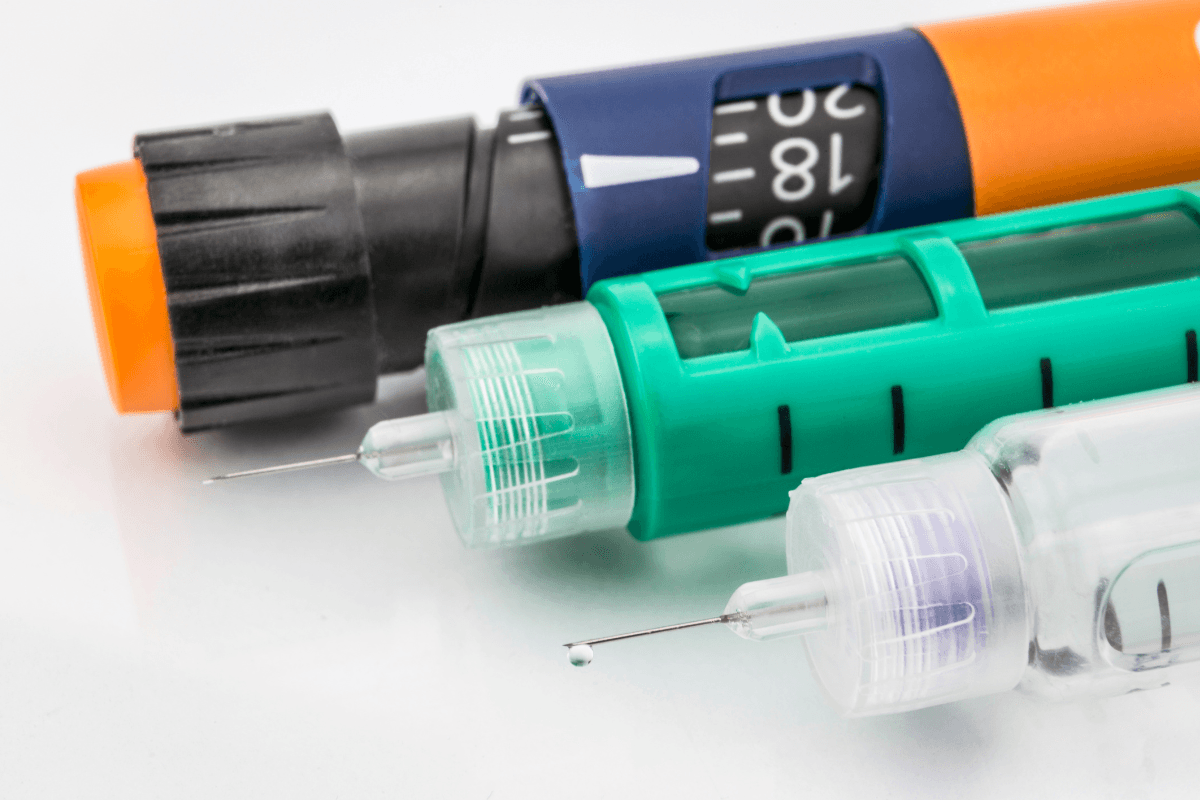
GLP-1 drugs for weight loss are prescription medicines that may help eligible adults manage appetite, fullness, and weight over time. They are not quick fixes, and they are not right for everyone. The safest path starts with a clinician review, a clear diagnosis or eligibility reason, and follow-up for side effects, nutrition, and long-term planning.
Why this matters: many people hear brand names before they understand the drug class. Semaglutide, tirzepatide, and liraglutide differ in approved uses, dosing schedules, precautions, and coverage rules. Some products are approved for chronic weight management, while others are approved for type 2 diabetes and may be discussed differently.
Key Takeaways
- Several options exist: Semaglutide, tirzepatide, and liraglutide are the main injectable medicines people ask about.
- Labels matter: The same active ingredient may appear under different brand names for different approved uses.
- Side effects are common: Nausea, constipation, reflux, diarrhea, and early fullness often appear during dose changes.
- Access requires review: A prescriber should check eligibility, medical history, current medicines, and follow-up needs.
- OTC claims need caution: Supplements, drops, and patches are not the same as regulated prescription GLP-1 medicines.
GLP-1 Medicines for Weight Management: The Main Options
The main prescription options include GLP-1 receptor agonists and related incretin medicines. Incretins are gut hormones that help regulate appetite and blood sugar after meals. For weight management, the practical question is not simply which drug is popular. It is which option fits your diagnosis, risk factors, routine, and monitoring plan.
Some medicines are FDA-approved for chronic weight management. Others are approved for type 2 diabetes and may be associated with weight loss, but that does not make the labels interchangeable. This distinction can affect prescribing documentation, insurance decisions, pharmacy processing, and safety counseling.
| Active ingredient | Common brand examples | Typical schedule | Main U.S. approved use |
|---|---|---|---|
| Semaglutide | Wegovy, Ozempic | Weekly injection | Weight management for Wegovy; type 2 diabetes for Ozempic |
| Tirzepatide | Zepbound, Mounjaro | Weekly injection | Weight management for Zepbound; type 2 diabetes for Mounjaro |
| Liraglutide | Saxenda, Victoza | Daily injection | Weight management for Saxenda; type 2 diabetes for Victoza |
| Orlistat | Xenical | With meals | Weight management through reduced fat absorption |
If you want a broader injection comparison, Best Weight Loss Injections reviews how injectable options differ in routine and discussion points.
How These Medicines Affect Appetite, Fullness, and Blood Sugar
GLP-1 receptor agonists work by activating receptors involved in appetite and glucose regulation. In plain language, they can help some people feel full earlier, stay full longer, and experience less persistent hunger. They also slow gastric emptying, which means food leaves the stomach more slowly.
That stomach-slowing effect helps explain both the benefits and some side effects. Smaller meals may feel more satisfying, but larger or greasy meals may worsen nausea or reflux. Constipation can also develop if food intake falls and fluid or fiber intake drops.
Tirzepatide is slightly different because it acts on both GIP and GLP-1 pathways. GIP is another incretin hormone involved in metabolism. This does not automatically make it the right choice for every person. It simply means the mechanism is not identical to GLP-1-only medicines.
These drugs usually work best alongside steady habits. Protein-forward meals, resistance training, adequate hydration, sleep, and follow-up visits can help protect muscle, support tolerability, and keep the plan realistic. A medicine can change appetite signals, but daily routines still shape the experience.
Which GLP-1 Works Best for Weight Loss?
There is no single best GLP-1 for weight loss for every person. The better question is which option has an approved use that matches your situation, a side-effect profile you can monitor, and a dosing routine you can maintain. Medical history often matters more than online comparisons.
For example, a person with type 2 diabetes may have different priorities than someone without diabetes who meets weight-management criteria. A person with severe reflux, pancreatitis history, gallbladder disease, pregnancy plans, or complex medication use needs a more careful review. If insulin or sulfonylurea medicines are part of diabetes care, low blood sugar risk should be discussed before starting or adjusting therapy.
People often compare semaglutide and tirzepatide first. For a focused look at those two weight-management brands, Zepbound and Wegovy explains differences that may come up during a clinician visit. If semaglutide is the main question, Semaglutide Basics gives a broader patient-friendly overview.
Quick tip: Bring your medication list, supplement list, and weight-history notes to the appointment.
Brand Names, Approved Uses, and Practical Differences
Brand names can make GLP-1 conversations confusing because the same active ingredient may appear in different products. Wegovy and Ozempic both contain semaglutide, but Wegovy is approved for chronic weight management in eligible patients, while Ozempic is approved for type 2 diabetes. Zepbound and Mounjaro follow a similar pattern with tirzepatide.
This matters because prescribing is not only about the molecule. The product label, indication, dose-escalation plan, device, documentation, and payer requirements may differ. A clinician may also choose one pathway over another based on blood sugar goals, cardiovascular risk factors, tolerability, or access constraints.
Many readers ask, “is Ozempic a GLP-1?” Yes. Ozempic is a semaglutide product in the GLP-1 receptor agonist class, approved for type 2 diabetes. Some people discuss it in weight-related care, but that is not the same as saying every person seeking weight loss should use it.
For a deeper look at semaglutide in weight-related care, Ozempic for Weight Loss explains common questions around off-label discussions and safety expectations. Product pages such as Wegovy, Zepbound, Ozempic, and Saxenda can also help readers identify medication names and forms, but prescribing decisions should remain clinician-led.
Who May Be Considered, Including People Without Diabetes
GLP-1 drugs for weight loss may be considered for adults who meet clinical criteria for chronic weight management. Those criteria often involve body mass index, weight-related health conditions, prior attempts at lifestyle change, and medication safety factors. A prescriber should confirm the details rather than relying on a social media checklist.
People without diabetes may still be candidates for certain weight-management products if they meet label-based or guideline-based criteria. That is different from using diabetes-labeled medicines without a clear plan. It also means blood sugar monitoring may not be the only follow-up issue. Nutrition, muscle preservation, gastrointestinal tolerance, mood, and other health markers can still matter.
Pregnancy and pregnancy planning deserve special attention. Weight-management medicines are generally not treated as casual short-term tools around conception. Anyone pregnant, trying to become pregnant, breastfeeding, or planning fertility treatment should discuss medication timing with a qualified clinician.
A careful review is also important for people with a personal or family history of certain endocrine tumors, pancreatitis history, gallbladder disease, severe gastrointestinal disease, kidney concerns, or eating disorder history. These issues do not all mean the same thing, but they can change the risk-benefit discussion.
How to Get a Prescription Safely
Access usually starts with a medical visit, either in person or through an appropriate telehealth pathway. The prescriber typically reviews your weight history, health conditions, medications, allergies, pregnancy plans, and previous treatment attempts. Lab work may include blood sugar markers, kidney function, liver-related markers, and lipids, depending on your situation.
Most plans include gradual dose increases, often called titration. A glp-1 dosage for weight loss question should be answered from the specific product label and the prescriber’s judgment, not from a copied dosing chart. Moving faster is not always safer. Dose increases can worsen nausea, constipation, vomiting, or dehydration.
If you are preparing for a visit, it may help to write down three things: your goals, your main safety concerns, and what follow-up you can realistically attend. If semaglutide is being discussed, Prescription Steps for Ozempic outlines common documentation and safety checkpoints.
BorderFreeHealth connects U.S. patients with licensed Canadian partner pharmacies when a valid prescription pathway applies. Where required, prescription details are checked with the prescriber before pharmacy dispensing. Some patients also explore cash-pay cross-border options without insurance, subject to eligibility and jurisdiction.
Side Effects, Warning Signs, and Long-Term Questions
GLP-1 side effects most often involve the stomach and bowel. Nausea, early fullness, constipation, diarrhea, bloating, burping, and reflux are commonly discussed. These symptoms may be more noticeable after starting therapy or increasing a dose.
Ozempic side effects can overlap with side effects seen with other semaglutide products. The brand name may differ, but the active ingredient still influences appetite, stomach emptying, and glucose regulation. Your clinician can help separate expected symptoms from symptoms that need evaluation.
Serious problems are less common but important. Seek prompt medical care for severe or persistent abdominal pain, ongoing vomiting, signs of dehydration, fainting, allergic reaction symptoms, or pain that may suggest gallbladder or pancreas problems. People using insulin or sulfonylureas should ask how to recognize and manage low blood sugar.
Long-term side effects remain an active area of monitoring and research. Known label warnings and post-marketing safety reports guide clinicians, but individual risk still depends on personal history. Regular follow-up helps track weight response, nutrition, labs, tolerability, and whether the medicine still fits your goals.
Muscle maintenance also deserves attention. When weight changes, people may lose both fat and lean tissue. Protein intake, resistance exercise, and adequate overall nutrition can help support strength, but individual targets should be discussed with a clinician or registered dietitian, especially with kidney disease, diabetes medication use, or eating disorder history.
Timelines, Plateaus, and Stopping Decisions
Weight-change timelines vary widely with GLP-1 drugs for weight loss. Some people notice appetite changes early, while weight trends may be slower and uneven. Starting weight, dose progression, side effects, sleep, activity, stress, other medicines, and health conditions can all influence the pace.
A plateau does not always mean the medicine has failed. Weight regulation adapts over time. Lower intake, reduced body size, lower spontaneous movement, menopause transitions, sleep loss, or missed protein needs can all contribute. A follow-up visit can help check whether the plan needs nutrition support, strength training changes, lab review, or a medication reassessment.
Stopping should also be planned. Appetite and cravings may return after discontinuation, and people with diabetes may need closer glucose monitoring when therapy changes. Do not stop, restart, or change a dose based only on online stories or before-and-after posts.
The calculator below can help you estimate a general weight-change timeline from a target and weekly pace. It does not determine eligibility, predict your medical outcome, or replace clinical guidance.
Weight Loss Timeline Calculator
Estimate a simple timeline from current weight, goal weight, and average daily calorie deficit.
These calculations are for education only and do not replace clinical advice, diagnosis, or treatment. Always confirm medical decisions with a qualified healthcare professional.
OTC Supplements, Patches, and Non-GLP-1 Alternatives
Prescription GLP-1 drugs over the counter are not available in the same way regulated prescription medicines are. Supplements that claim to “boost GLP-1” may use appealing language, but they are not equivalent to semaglutide, tirzepatide, or liraglutide. They also are not reviewed to the same standard for safety and effectiveness.
Products marketed as drops, patches, or “natural GLP-1” options should be approached carefully. Peptide-like medicines are complex to formulate and deliver. A patch claim does not prove that a meaningful medicine dose reaches the bloodstream, and ingredient labels may not tell the full story.
Non-GLP-1 medications for weight management do exist. Some affect appetite pathways in the brain. Others affect fat absorption in the gut. The right discussion depends on blood pressure, seizure history, mood history, pregnancy plans, gastrointestinal conditions, other medicines, and personal preferences.
If you want to compare wider categories, browse the Weight Management Articles collection for educational reading. The Weight Management Options category can also help you recognize different medication classes without treating any listing as personal medical advice.
Authoritative Sources
For official prescribing details on semaglutide for chronic weight management, review the FDA Wegovy prescribing information.
For tirzepatide labeling, contraindications, and warnings, see the FDA Zepbound prescribing information.
For regulator safety concerns about unapproved versions, read the FDA statement on unapproved GLP-1 drugs.
Putting the Decision in Context
GLP-1 drugs for weight loss can be useful tools for some people, but the details matter. Approved use, medical history, side effects, access pathway, and follow-up all shape whether treatment is appropriate. A careful plan can also reduce confusion around brand names, dosing charts, supplement claims, and online comparisons.
Use your appointment to ask practical questions. Which product is being considered, and why? What symptoms should prompt a call? How will progress be monitored? What happens if side effects interfere with meals, hydration, or daily life? Clear answers make the decision safer and less overwhelming.
This content is for informational purposes only and is not a substitute for professional medical advice.


