
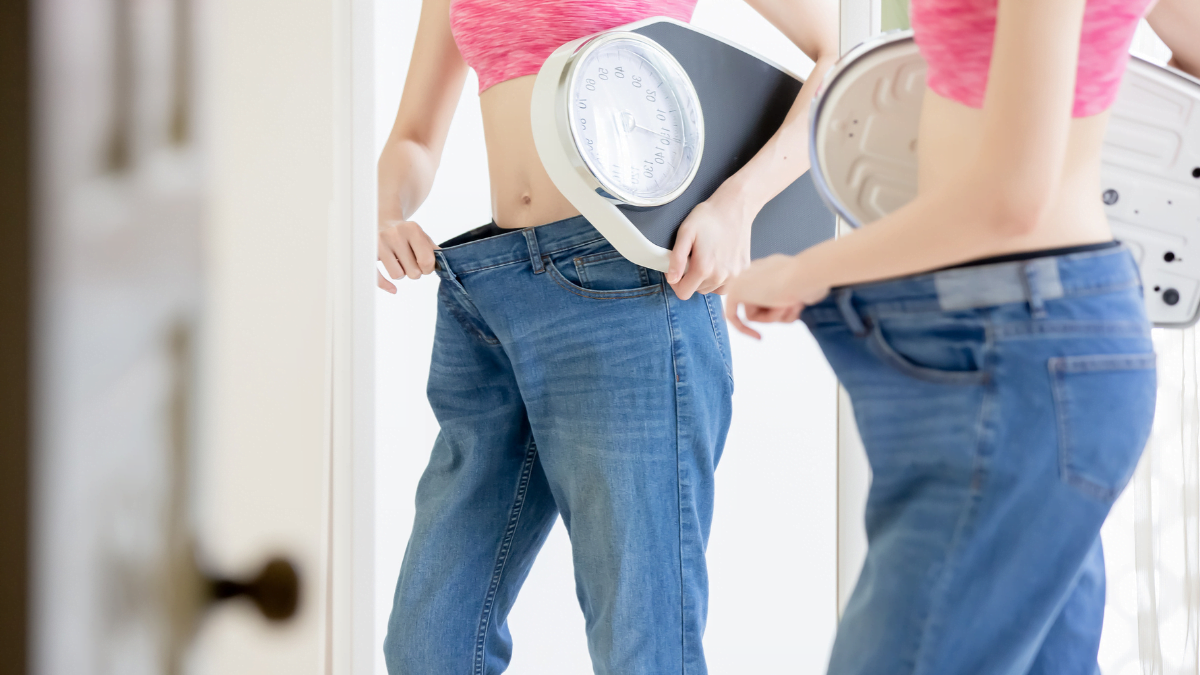
Rybelsus may support weight loss in some adults, mainly by reducing appetite and helping people feel full sooner. However, it is approved for type 2 diabetes, not as a dedicated weight-loss medication, so rybelsus weight loss should be discussed with a clinician in the context of your diagnosis, risks, goals, and other treatment options.
That distinction matters. Online stories can make results sound predictable, but weight change varies widely. Dose, tolerability, eating patterns, activity, other medicines, and blood glucose control can all affect outcomes.
Key Takeaways
- Oral GLP-1 option: Rybelsus contains oral semaglutide, a GLP-1 receptor agonist.
- Indication matters: It is used for type 2 diabetes, not specifically for chronic weight management.
- Routine is critical: Take it in the morning with water only, then wait before food or other medicines.
- Side effects are common: Nausea, diarrhea, vomiting, and reflux often drive dosing decisions.
- Compare carefully: Tablets may be easier for some people, while injectables may fit others better.
How Rybelsus Fits Into Weight and Diabetes Care
Rybelsus is the tablet form of semaglutide, a medicine that acts like GLP-1, a gut hormone involved in appetite and blood sugar signaling. It can increase insulin release when glucose is high, reduce glucagon, slow stomach emptying, and lower hunger signals for some people.
Those effects explain why some people notice smaller portions or fewer cravings. They do not guarantee a specific result. Rybelsus weight loss also tends to depend on whether the medicine is tolerated long enough to reach an effective maintenance plan.
For background on where this medicine fits clinically, see What Is Rybelsus Used For. If you want a broader view of the drug class, Semaglutide Basics explains common forms and next-step questions.
Why it matters: A diabetes medicine can affect weight, but that is not the same as being approved for obesity treatment.
What Results Can Look Like in Real Life
Weight changes with Rybelsus are usually gradual and individual. Some people lose weight, some have little change, and a smaller number may gain weight. Results also vary because type 2 diabetes, appetite, sleep, stress, and other medications can change energy balance.
Before-and-after photos and online reviews can be motivating, but they are not reliable evidence. They rarely show starting A1C, other prescriptions, nutrition changes, activity levels, or side effects that affected the outcome. A more useful approach is to track trends that your care team can interpret.
Consider monitoring several practical markers:
- Weight trend: Use weekly averages, not one-day changes.
- Waist measure: Track the same location and method.
- Appetite pattern: Note fullness, snacking, and meal size.
- Glucose data: Review readings if you monitor at home.
- Side effects: Record timing, severity, and triggers.
This calculator can help you track general weight-change progress over time. It does not predict how Rybelsus will work for you or replace clinical advice.
Weight-Loss Progress Calculator
Track percentage body-weight change and progress toward a target weight.
These calculations are for education only and do not replace clinical advice, diagnosis, or treatment. Always confirm medical decisions with a qualified healthcare professional.
Many readers ask whether Rybelsus reduces belly fat specifically. It does not target one body area. If body weight decreases, abdominal measurements may change, but spot reduction is not how GLP-1 medicines work.
Dosing and How to Take the Tablet Correctly
The usual Rybelsus routine starts with a low introductory dose before moving to higher strengths when appropriate. This stepwise approach helps the body adjust and may reduce stomach-related side effects. Your prescriber decides the schedule based on the official label, your response, and your tolerability.
Absorption is unusually sensitive for this medicine. Take Rybelsus first thing in the morning on an empty stomach with no more than 4 ounces, or about 120 mL, of plain water. Wait at least 30 minutes before eating, drinking, or taking other oral medicines.
Do not crush, split, or chew the tablet unless your prescriber or pharmacist specifically confirms that it is appropriate. The product labeling gives administration instructions because food, beverages, and other medicines can reduce absorption.
If you miss a dose, follow the label instructions or your prescriber’s plan rather than doubling up. Taking extra tablets can increase side effects without making the medicine work better.
Can You Take It at Night?
Morning dosing is the labeled approach. Night dosing can be hard because the stomach may not be truly empty, and bedtime drinks, snacks, or other medicines can interfere with the required waiting period.
If mornings are difficult because of shift work, nausea, or other medicines, ask your clinician or pharmacist to help build a realistic schedule. The goal is consistent absorption under the safest conditions.
What About 14 mg and Discontinuation Rumors?
People often search whether the 14 mg strength has been discontinued. The official prescribing information still lists 14 mg as part of the approved dosage range. That said, local supply can change, so your pharmacy or prescriber is the right source for availability questions.
Do not combine tablets or change strengths on your own to work around a refill problem. If access becomes uncertain, contact your care team early so they can review safe options. For more practical dosing context, see Rybelsus Dosing Guidelines.
Side Effects, Warnings, and When to Get Help
Rybelsus side effects most often involve the stomach and intestines. Nausea, vomiting, diarrhea, constipation, abdominal discomfort, reflux, and reduced appetite are commonly reported. These effects may improve with time, but they can also limit dose escalation.
Smaller meals, slower eating, and avoiding greasy foods may help some people feel better during titration. These are comfort strategies, not a substitute for medical guidance. Persistent vomiting, dehydration, or worsening abdominal pain should be discussed promptly.
Rare but serious risks need attention. The official label includes warnings about pancreatitis, gallbladder problems, kidney injury related to dehydration, serious allergic reactions, and a boxed warning about thyroid C-cell tumors based on animal data. People with a personal or family history of medullary thyroid carcinoma or multiple endocrine neoplasia syndrome type 2 should not use semaglutide products unless a qualified prescriber determines otherwise under labeling guidance.
Seek urgent care for severe, persistent abdominal pain, especially if it spreads to the back or comes with vomiting. Also seek help for signs of an allergic reaction, such as swelling of the face or throat, trouble breathing, or widespread rash.
Hair loss appears in some online discussions, but it is not always caused directly by the medicine. Rapid weight change, illness, low protein intake, thyroid disease, iron deficiency, and stress can also contribute. If shedding is new or significant, ask your clinician about possible causes.
For a plain-language safety review, keep Rybelsus Side Effects handy as you prepare questions for your appointment.
Food, Alcohol, and Daily Habits That Affect Tolerability
No food is universally banned with Rybelsus, but timing matters. During the first 30 minutes after the dose, use plain water only. Coffee, tea, juice, milk, supplements, and breakfast should wait until the dosing window is complete.
After that window, food choices can still affect comfort. Large, high-fat meals may worsen nausea or reflux for some people. Smaller meals, bland foods during queasy periods, and steady hydration may be easier early in treatment.
Alcohol deserves caution. It can irritate the stomach, affect judgment around meals, and complicate blood glucose management. People who use insulin or sulfonylureas should ask specifically about low blood sugar risk when medications change.
Quick tip: Keep your morning dose beside a water glass, not beside coffee or supplements.
If you have kidney disease, gastroparesis (delayed stomach emptying), an eating disorder history, pregnancy plans, or repeated low blood sugar, ask for individualized nutrition and medication review. A registered dietitian can help align appetite changes with adequate protein, fiber, fluids, and glucose goals.
Who Might Consider It, and Who Needs Extra Caution
Rybelsus is generally considered in adults with type 2 diabetes when an oral GLP-1 option fits the treatment plan. It may be attractive for people who prefer tablets or want to avoid injections, but it still requires a strict morning routine.
People without diabetes sometimes ask about oral semaglutide for weight loss. That use is more complex. The currently marketed Rybelsus tablets are not labeled as a weight-loss treatment, and research on higher-dose oral semaglutide does not automatically apply to every patient or product situation.
Extra caution is important for people with certain medical histories. Discuss pancreatitis, gallbladder disease, severe gastrointestinal disease, kidney problems, diabetic retinopathy, pregnancy, breastfeeding, and thyroid tumor history before starting or continuing therapy.
Rybelsus weight loss should also be viewed alongside mental health, nutrition adequacy, and sustainable habits. Appetite reduction can help some people, but eating too little or skipping protein can create new problems.
How It Compares With Injectable GLP-1 Options
The main difference is route and routine. Rybelsus is taken daily by mouth under strict fasting conditions. Injectable GLP-1 or related medicines are usually given on a schedule that does not require the same morning absorption window.
That difference affects real-world adherence. Some people dislike injections and prefer a tablet. Others find a daily fasting routine harder than an injection schedule. Coverage, diagnosis, tolerability, and product availability can also shape the discussion.
For product-level context, you can compare Rybelsus with Ozempic or Wegovy. These pages are useful for understanding forms and routes, not for deciding which medicine is best for you.
Some readers also compare newer weight-management options. A browseable Weight Management collection can help you see categories at a high level, while the Type 2 Diabetes section provides related educational context.
Access, Affordability, and Practical Planning
Access questions often arise because Rybelsus is a prescription medicine and coverage can vary. If cost, refills, or product supply could affect adherence, raise those concerns before you run out. Missed doses and abrupt routine changes can complicate treatment.
When required, prescription details should be verified through the appropriate clinical and pharmacy process before dispensing. That safeguard helps ensure the medicine, strength, and instructions match the prescriber’s plan.
People comparing cash-pay prescription options, including some patients without insurance, may want to understand documentation requirements, jurisdiction rules, and product availability before planning refills. For more context, see Rybelsus Affordability.
Authoritative Sources
The official Rybelsus prescribing information provides labeled indications, dosing, contraindications, warnings, and administration instructions.
The American Diabetes Association Standards of Care summarize evidence-based diabetes treatment recommendations, including GLP-1 receptor agonist considerations.
A higher-dose oral semaglutide obesity trial is discussed in peer-reviewed OASIS program results, which should not be confused with the current Rybelsus indication.
Recap
Rybelsus weight loss can happen, but it is not automatic and the medicine is not labeled as a dedicated weight-loss treatment. The safest approach is to understand the indication, take the tablet exactly as directed, track tolerability, and review results with a qualified clinician.
Focus on the basics first: correct morning dosing, realistic expectations, nutrition support, and prompt reporting of concerning symptoms. If the tablet routine does not fit, your care team can help compare other diabetes or weight-management options.
This content is for informational purposes only and is not a substitute for professional medical advice.


