
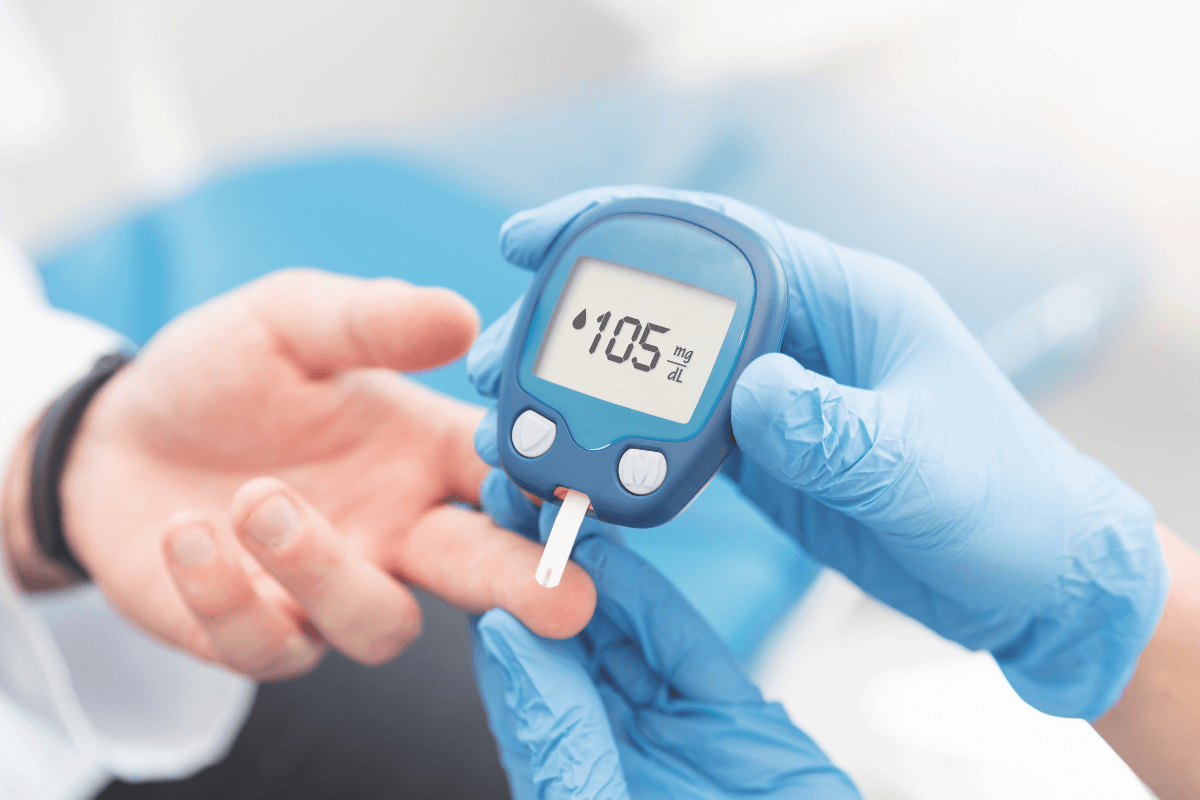
National Diabetes Month happens every November and focuses attention on diabetes prevention, screening, daily care, and support for people living with the condition. The goal is not only to raise awareness, but to turn that awareness into practical action: earlier testing, safer routines, respectful conversations, and better access to care.
You may be living with diabetes, supporting someone you love, organizing a workplace event, or trying to understand your own risk. This page explains what the month means, what to share, and how to make awareness useful instead of stressful.
Key Takeaways
- November is the month: National Diabetes Month is observed each November.
- Screening can help: Diabetes may develop before symptoms are obvious.
- Language matters: Respectful words reduce shame and support care.
- Daily routines vary: Food, movement, sleep, medicine, and monitoring all interact.
- Urgent signs count: Severe lows, dehydration, vomiting, or confusion need prompt help.
What National Diabetes Month Is and Why It Matters
National Diabetes Month is a public awareness observance held each November to highlight diabetes and its impact on people, families, workplaces, and communities. It often overlaps with American Diabetes Month, diabetes awareness month, and World Diabetes Day messaging.
Why this matters: awareness can lead to earlier testing and better support. Many people have prediabetes or diabetes without clear symptoms. Others already have a diagnosis but face barriers with supplies, appointments, food planning, school policies, or workplace accommodations.
Diabetes is a long-term condition that affects how the body handles glucose, also called blood sugar. In type 1 diabetes, the body makes little to no insulin because of an autoimmune process. In type 2 diabetes, insulin may not work as effectively, and the body may not keep up with insulin needs over time. Gestational diabetes develops during pregnancy and needs pregnancy-specific follow-up.
Awareness also means correcting harmful assumptions. Diabetes is not a personal failure. Food choices, genetics, stress, sleep, medicines, income, neighborhood access, and other health conditions can all shape risk and day-to-day management.
If you want a broader overview of diabetes topics, the Diabetes Articles collection can help you explore screening, complications, and care routines.
Screening and Early Detection: The First Practical Step
Screening checks for diabetes or prediabetes before problems become obvious. It can be especially important when symptoms are mild, unclear, or absent.
Common screening tests include A1C, fasting plasma glucose, and an oral glucose tolerance test. A1C reflects average blood sugar over roughly two to three months. Fasting glucose measures blood sugar after a period without food. An oral glucose tolerance test measures how the body responds after a glucose drink.
Testing choices depend on age, pregnancy status, symptoms, medicines, family history, and other health conditions. A clinician can explain which test fits your situation and whether a result should be repeated. For a plain-language look at the main options, see How To Test For Diabetes.
Results can feel emotional, especially when they are unexpected. A borderline result does not define anyone. It usually means the next step is to watch trends, repeat testing when appropriate, and talk through realistic changes.
Quick tip: If you organize a November event, share where people can ask about screening rather than giving one-size-fits-all advice.
Blood Sugar, A1C, and Daily Patterns
Blood sugar changes throughout the day because food, activity, stress, illness, sleep, and medicines all affect glucose levels. One number rarely tells the whole story.
A1C helps show longer-term trends, but it does not replace day-to-day information. A higher morning reading may relate to hormones, sleep, late meals, illness, or medication timing. A higher post-meal reading may raise questions about meal composition, portions, activity, or the care plan.
Some people use fingerstick meters. Others use continuous glucose monitors, often called CGMs. These tools can help identify patterns, but targets vary by person. Pregnancy, kidney disease, older age, hypoglycemia risk, and other conditions may change what a clinician recommends.
The calculator below can help convert between A1C and estimated average glucose for general understanding. It is not a diagnostic tool and does not replace clinical interpretation.
HbA1c & eAG Calculator
Convert between HbA1c percentage and estimated average glucose using the ADAG relationship.
These calculations are for education only and do not replace clinical advice, diagnosis, or treatment. Always confirm medical decisions with a qualified healthcare professional.
If monitoring supplies are part of your care routine, it may help to understand the role of test strips and sensors. For general product context, see Bayer Contour Test Strips or Dexcom G7 Sensor. Product pages should not replace guidance from your diabetes care team.
Type 1, Type 2, and Other Diabetes Terms People Confuse
The word diabetes covers several related conditions, but the types are not the same. Clear language helps families, schools, and workplaces offer better support.
Type 1 diabetes is an autoimmune condition. People with type 1 need insulin because the body makes little to no insulin. It is not caused by eating sugar, and it cannot be managed by lifestyle changes alone.
Type 2 diabetes usually involves insulin resistance, meaning the body has trouble using insulin effectively. Over time, insulin production may also decline. Some people use lifestyle changes, some use oral medicines, some use injectable medicines, and some use insulin.
Gestational diabetes develops during pregnancy. It needs pregnancy-specific monitoring because glucose levels can affect both the pregnant person and the baby. Follow-up after pregnancy also matters, since future type 2 diabetes risk can be higher.
If you are comparing the two most discussed types, Type 1 Vs Type 2 Diabetes explains the differences in practical terms. This distinction is useful during National Diabetes Month because awareness messages can become inaccurate when they treat every type as identical.
Food, Movement, Sleep, and Medicines Without Shame
Daily diabetes care works best when it is realistic. Strict rules can backfire when life, culture, work schedules, finances, or stress are ignored.
Food choices often get oversimplified during diabetes awareness month. People may ask whether specific foods, such as crackers or tuna sandwiches, are allowed. A better question is how the food fits with the full meal, portion size, medication plan, glucose response, and personal goals.
For example, crackers may raise blood sugar for some people depending on serving size and what they are eaten with. A tuna sandwich may fit well for one person and need adjustment for another, depending on bread type, portion, sodium needs, kidney health, and medication-related low blood sugar risk. A registered dietitian can help translate general nutrition ideas into a plan that respects culture and budget.
Movement can also help glucose patterns, but it does not need to be extreme. Some people notice benefits from short walks after meals. Strength training may support muscle health and glucose use. People with foot problems, heart disease, neuropathy, vision changes, pregnancy, or mobility limits should ask a clinician about safe activity options.
Medicines may include tablets, non-insulin injections, and insulin. Metformin is one commonly used medicine for type 2 diabetes, but it is not right for everyone. For neutral medication context, see Metformin or Glucophage. If insulin is part of a care plan, product information such as Lantus SoloStar can help readers recognize terminology, but dosing and changes belong with a prescriber.
Diabetes Awareness Color, Ribbon, and Respectful Language
The diabetes awareness color is commonly blue, and many campaigns use the blue circle as a global symbol. Some groups also use a diabetes awareness ribbon to show support, remembrance, or advocacy.
Symbols can help people feel seen, but they work best when paired with accurate information. A blue shirt day, ribbon display, or social post should avoid blame, scare tactics, and jokes about food. People living with diabetes hear enough judgment already.
Supportive language focuses on the person, not moral judgment. Try saying “person living with diabetes,” “blood sugar is higher today,” or “what would help right now?” Avoid labels such as “noncompliant” or comments that frame diabetes as a character flaw.
Why it matters: People are more likely to ask for help when they feel respected.
Respect also includes practical accommodations. A student, worker, athlete, or traveler may need time to check glucose, take medicine, drink water, use the restroom, eat, or treat a low. Normalizing these needs supports safety and dignity.
Activities That Make Awareness Useful
The best National Diabetes Month activities give people one clear next step. They do not shame bodies, rank foods, or pressure people to disclose private health information.
Consider simple, optional activities that improve understanding and access. A workplace, school, clinic, or community group can choose one or two actions rather than planning a large event with little follow-through.
- Screening resource table: share local testing and appointment options.
- Label-reading session: explain carbohydrate, fiber, sodium, and serving size.
- Respectful language reminder: replace blame-based phrases with supportive wording.
- Movement break: offer an optional short walk or stretch session.
- Accommodation review: make glucose checks and low treatment normal.
- Vision reminder: encourage people with diabetes to ask about eye exams.
November also includes World Diabetes Day on November 14. Some communities use that date for global advocacy, education events, or messages about access to care. For a deeper look at that observance, read World Diabetes Day Awareness.
The American Diabetes Association is also a major source of education and advocacy in the United States. If you want context on its role, see American Diabetes Association Purpose.
Warning Signs That Should Not Wait
Most glucose ups and downs can be handled through a care plan, but some symptoms need urgent medical attention. Awareness should include knowing when to act quickly.
Low blood sugar, called hypoglycemia, can cause shakiness, sweating, confusion, fast heartbeat, sudden irritability, weakness, or fainting. Some people have fewer warning signs over time. Severe confusion, seizure, or loss of consciousness is an emergency.
High blood sugar, called hyperglycemia, can cause thirst, frequent urination, blurry vision, fatigue, nausea, or dehydration. Illness, missed medicine, steroid medicines, infection, and stress can raise glucose levels.
Diabetic ketoacidosis, or DKA, is a serious complication that can happen when the body does not have enough insulin. It is more common in type 1 diabetes but can occur in other situations. Warning signs may include vomiting, deep or rapid breathing, severe abdominal pain, fruity-smelling breath, confusion, or extreme fatigue. These symptoms need prompt medical evaluation.
Diabetes can also affect eye health over time. During National Diabetes Month, it is helpful to remind people with diabetes to ask their clinician about eye exam timing. For more detail, see Diabetic Retinopathy.
Authoritative Sources
For national observance context and public health education, the NIDDK National Diabetes Month page explains why November is used for awareness and outreach.
For A1C and blood glucose basics, the American Diabetes Association A1C resource gives plain-language information on what A1C represents.
For global observance details, the World Health Organization campaign page provides World Diabetes Day background and current public health messaging.
Recap
National Diabetes Month is most helpful when it turns awareness into practical support. That can mean asking about screening, learning what glucose numbers mean, choosing respectful words, improving accommodations, or helping someone prepare for a safer routine.
Small actions matter. Share accurate information, avoid blame, and encourage people to bring personal questions to a qualified clinician. BorderFreeHealth may provide educational navigation around diabetes medicines and supplies, while prescription decisions and dispensing requirements remain tied to licensed pharmacy and prescriber processes.
This content is for informational purposes only and is not a substitute for professional medical advice.


