
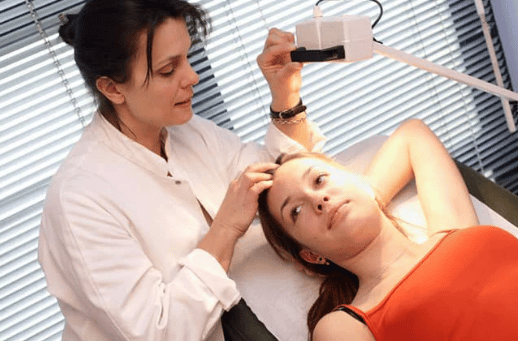
Skin HIV symptoms can include a pink-red or purple rash, mouth changes, inflamed hair follicles, shingles-like blisters, fungal infections, or unusual bumps and plaques. These signs do not diagnose HIV on their own. Many common conditions can look similar. What matters most is the timing, pattern, other symptoms, and whether there was a possible exposure.
Skin changes can feel frightening, especially when you are searching for answers alone. A rash after a potential exposure is a reason to arrange HIV testing and medical review, not a reason to assume the worst. Clear documentation, timely screening, and compassionate care can reduce uncertainty quickly.
Key Takeaways
- Early pattern: A symmetrical trunk rash can occur with fever, sore throat, and swollen glands.
- Context matters: Allergies, viral illnesses, medicines, and skin products can mimic HIV-related rashes.
- Lesion clues: Shingles, molluscum, thrush, and Kaposi sarcoma need clinical assessment when persistent or widespread.
- Testing clarifies: Modern HIV tests are the only reliable way to confirm or rule out infection.
- Treatment helps: Effective HIV care often reduces recurrent skin infections and inflammatory flares.
What Skin HIV Symptoms Can Look Like
HIV-related skin changes range from mild irritation to more specific infections or lesions. Clinicians may describe a maculopapular rash (flat and raised spots), folliculitis (inflamed hair follicles), seborrheic dermatitis (oily scaling), candidiasis (yeast infection), or vesicles (small fluid-filled blisters). In everyday terms, this may look like a measles-like rash, acne-like bumps, stubborn dandruff, white mouth patches, or grouped blisters.
Early skin HIV symptoms often appear with whole-body symptoms. Fever, fatigue, sore throat, swollen lymph nodes, night sweats, and muscle aches can occur during acute HIV infection. The rash is often described as pink-red, reddish-brown, or purple depending on skin tone. It may involve the chest, back, face, arms, or upper body.
Still, appearance alone is unreliable. A medication reaction, mono-like illness, COVID-19, syphilis, herpes, eczema, psoriasis, heat rash, or contact dermatitis can overlap. This is why rash photos online often mislead. Skin tone, lighting, camera quality, and stage of healing can change how a rash looks.
Why it matters: A rash can guide the next step, but testing provides the answer.
If you want broader symptom context, see HIV AIDS Symptoms. For differences between HIV infection and later-stage disease, HIV vs AIDS explains the terms in plain language.
Early HIV Rash: Timing, Location, and Feel
An early HIV rash can appear during acute infection, often within the first several weeks after exposure. This period is sometimes called seroconversion, when the immune system starts responding to the virus. Clinicians may use the term HIV seroconversion rash, but the rash itself is non-specific.
The classic description is a symmetrical rash on the trunk and upper limbs. It may be flat, slightly raised, or both. Some people report mild itch or tenderness. Others notice little discomfort. On darker skin, redness may be less obvious, and changes may look purple, brown, grayish, or slightly darker than surrounding skin.
People often ask whether an HIV rash is itchy. It can be, but itch is not the key feature. Allergic hives usually move around within hours and form raised welts. Contact dermatitis often follows the exact area where a product touched the skin. A viral exanthem, including a possible acute HIV rash, tends to stay more fixed and may come with systemic symptoms.
Symptoms That Raise Suspicion After a Possible Exposure
- Fever pattern: Fever with rash and swollen glands deserves testing.
- Throat symptoms: Sore throat may occur during acute viral illness.
- Node swelling: Neck, armpit, or groin nodes may feel enlarged.
- Mouth changes: Ulcers or white patches need closer review.
- Exposure timing: Rash after condomless sex or needle exposure needs screening.
Testing should not wait for a rash to become severe. A fourth-generation laboratory HIV test can detect infection earlier than older antibody-only tests, though repeat testing may be advised depending on timing. For sex-specific symptom patterns, you can also review HIV Symptoms in Men and HIV Symptoms in Women.
HIV Skin Lesions and Infections That Need Review
HIV skin lesions are localized bumps, sores, plaques, or blisters that occur in someone with HIV or suspected immune changes. Some are caused by common infections that become more frequent, persistent, or widespread when immunity is weakened. Others are inflammatory conditions that flare more easily.
Molluscum contagiosum can cause small, smooth, pearly bumps with a central dimple. In people with reduced immune function, lesions may be numerous, larger, or harder to clear. Shingles can cause painful grouped blisters in a band on one side of the body. Recurrent or severe shingles may prompt clinicians to consider immune status, including HIV testing when appropriate.
Kaposi sarcoma is less common than many rashes, but it is important. It can appear as purple, red-brown, or dark patches, plaques, or nodules. These may look bruise-like but do not fade like a typical bruise. Any unexplained vascular-looking lesion, especially one that persists or grows, should be examined in person.
Fungal and yeast-related changes are also common. Seborrheic dermatitis can cause redness, flaking, and greasy scale on the scalp, eyebrows, sides of the nose, beard area, chest, or ears. Oral thrush can create white patches that may scrape off and leave a sore surface. For ingredient-focused background used in some fungal scalp care, see Ketoconazole. For yeast-related medication context to discuss with a prescriber, see Fluconazole.
Product pages are not a substitute for diagnosis. They can help you understand ingredient names, forms, and safety discussion points before a clinician visit.
HIV Rash vs Allergic Rash, Eczema, and Other Mimics
An HIV rash is usually considered alongside other causes, not in isolation. Allergic reactions, irritant dermatitis, eczema, psoriasis, drug eruptions, scabies, herpes, syphilis, and other viral infections can all cause visible skin changes. A clinician looks at the rash pattern and the full story.
Hives are often intensely itchy, raised, and temporary. Individual welts may appear and disappear within hours. Contact dermatitis usually follows exposure to a new soap, detergent, fragrance, sunscreen, lubricant, latex product, or topical medicine. It often maps to the area of contact, such as the hands, face, genitals, or waistband.
Eczema tends to involve dry, itchy, inflamed patches that may crack or weep. Psoriasis often forms thicker plaques with scale, commonly on elbows, knees, scalp, or lower back. These conditions can happen in anyone, including people living with HIV. They may also flare when the skin barrier is irritated by scratching, heat, stress, or harsh products.
Some sexually transmitted infections can cause rashes or sores that overlap with HIV concerns. Herpes often causes painful blisters or ulcers, while syphilis may cause a rash that can involve the palms and soles. If blisters, genital sores, or mouth ulcers are present, testing for multiple infections may be appropriate. For a related symptom comparison, see Herpes Symptoms.
What to Record Before Your Appointment
- Start date: Note when the rash first appeared.
- Spread pattern: Track where it began and moved.
- Symptoms: Record fever, sore throat, mouth pain, or swollen nodes.
- Exposures: Include sexual, needle, travel, outdoor, or household exposures.
- New products: List soaps, detergents, medicines, and supplements.
- Photos: Use consistent lighting and include close-up and distance views.
Quick tip: Avoid harsh scrubs while documenting the rash, since irritation can blur the pattern.
Mouth, Scalp, and Later-Stage Skin Changes
Mouth and scalp changes can offer useful clues because mucosal surfaces and oil-rich skin areas often react to immune shifts. HIV mouth sores may refer to painful ulcers, angular cracks at the lip corners, herpes-related sores, or thrush-associated discomfort. Oral thrush often appears as white, creamy patches on the tongue, cheeks, or palate.
Not every mouth sore suggests HIV. Canker sores, dental irritation, burns from hot food, dry mouth, tobacco use, and other infections are common. Seek prompt care if mouth lesions are severe, recurrent, spreading, associated with fever, or making it hard to swallow or drink.
Scalp symptoms may include dandruff-like scale, redness, itching, and greasy flakes. Seborrheic dermatitis can be more persistent in people living with HIV, but it also affects many people without HIV. Gentle cleansing, avoiding fragrance-heavy products, and discussing antifungal or anti-inflammatory options with a clinician can help prevent repeated irritation.
Advanced immune suppression can make certain skin problems more likely. These may be described as AIDS skin symptoms in clinical settings. Examples include extensive fungal infections, severe shingles, widespread molluscum, chronic ulcers, and Kaposi sarcoma lesions. These findings call for medical evaluation, especially when they are new, spreading, painful, or not healing.
For broader browsing on skin conditions, visit the Dermatology collection. For infection-focused health topics, the Infectious Disease collection may also be useful.
Testing, Treatment Context, and Skin Care While You Wait
HIV testing after rash concerns is the most reliable next step when there has been a possible exposure. A rash cannot confirm HIV, and the absence of rash cannot rule it out. Modern testing strategies may include antigen-antibody tests, antibody tests, or nucleic acid tests depending on timing and clinical context.
If HIV is diagnosed, antiretroviral therapy helps protect immune function. Over time, effective treatment can reduce the frequency of many HIV-related skin infections and inflammatory flares. Medication choice is individualized, based on viral resistance, other health conditions, pregnancy considerations, drug interactions, kidney or liver factors, and personal preferences.
Some medicines used for HIV prevention or treatment may also be relevant to discussions with a clinician. For product-level context only, see Descovy or Apretude. These pages should support informed questions, not self-selection or treatment changes.
While waiting for care, keep skin care simple. Use lukewarm water, fragrance-free cleanser, and a bland moisturizer. Avoid picking, shaving over inflamed areas, or applying multiple new products at once. If the rash is blistering, draining, rapidly spreading, very painful, near the eyes, or accompanied by breathing trouble, confusion, high fever, or facial swelling, seek urgent medical care.
BorderFreeHealth may provide neutral medication-access information for eligible patients, including cash-pay prescription options for patients without insurance where permitted. Prescription details, when required, are verified with the prescriber before pharmacy dispensing.
What You Can and Cannot Tell From Skin Changes
Skin changes can suggest a need for testing, but they cannot show whether someone has HIV, how long they have had it, or whether they can transmit it. Those questions require laboratory testing and clinical review. This distinction protects you from both false reassurance and unnecessary fear.
You also cannot tell someone’s HIV status by looking at their skin. Many people with HIV have no visible skin symptoms. Many people without HIV have rashes, mouth ulcers, folliculitis, fungal infections, or eczema. Stigma often grows when normal skin conditions are treated as proof of infection.
Skin HIV symptoms also do not explain every emotional or neurologic concern. Stress, poor sleep, substance use, mental health conditions, medications, and medical illnesses can affect mood. HIV can involve the nervous system in some circumstances, but anger or personality changes are not a specific skin-related sign. A healthcare professional can help sort physical, mental health, and infection-related causes without judgment.
Eye symptoms are a separate concern. HIV can affect the eyes at different stages, especially when immune function is very low or opportunistic infections occur. New vision changes, eye pain, light sensitivity, floaters, or redness with reduced vision deserve prompt medical attention.
Authoritative Sources
For a plain-language federal overview, review the NIH HIVinfo page on symptoms of HIV.
For immune-related infections in HIV, see the NIH HIVinfo summary of opportunistic infections.
For broader HIV prevention, testing, and treatment information, the CDC provides public guidance on HIV basics and prevention.
Recap
Skin HIV symptoms may include an early trunk rash, mouth sores, thrush, folliculitis, seborrheic dermatitis, shingles, molluscum, or unusual persistent lesions. These findings can be important, but they are not diagnostic by appearance alone.
The practical next step is to connect the rash pattern with timing, exposure history, and other symptoms. Document changes, arrange appropriate testing, and seek care sooner for severe pain, eye involvement, spreading blisters, non-healing ulcers, high fever, or trouble swallowing. You deserve clear answers and care that respects your privacy.
This content is for informational purposes only and is not a substitute for professional medical advice.


