

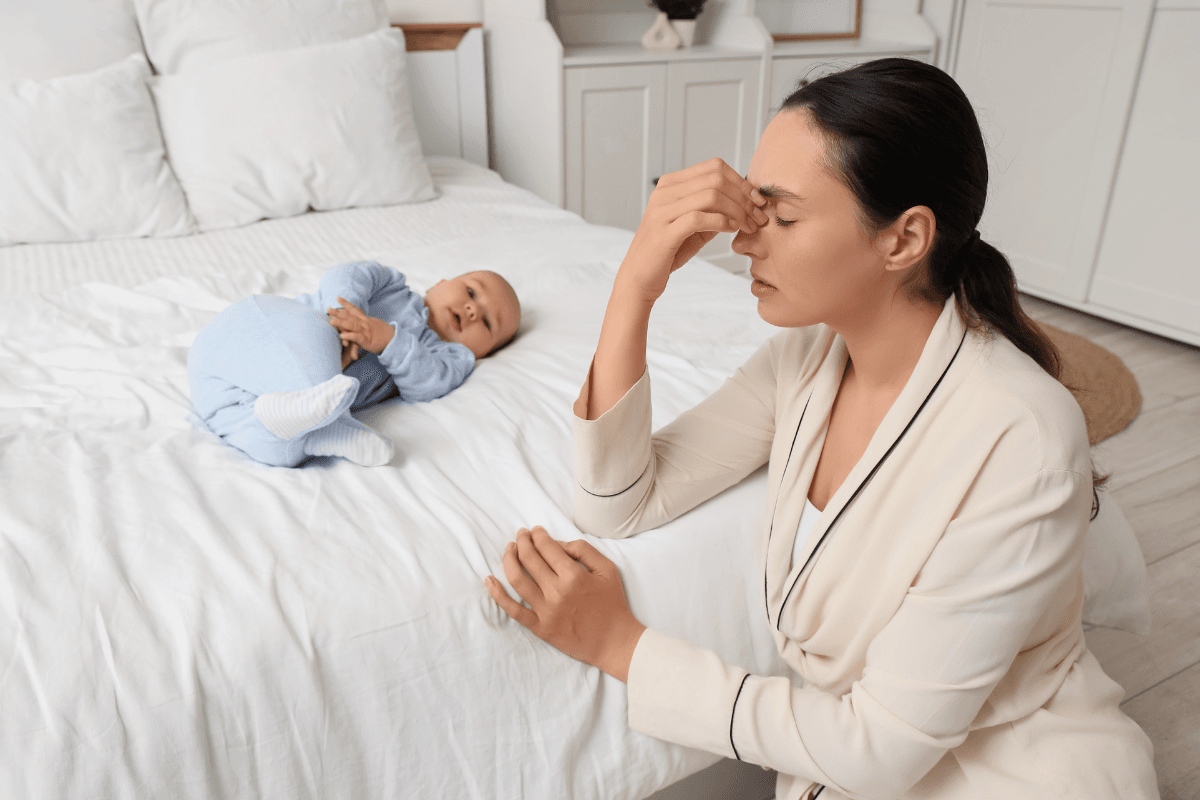
Postpartum depression symptoms are persistent mood, energy, sleep, thought, or bonding changes after birth that feel heavier than normal adjustment. They can include sadness, irritability, numbness, anxiety, guilt, hopelessness, or thoughts of self-harm. Early recognition matters because support, therapy, and medical care can reduce suffering and improve safety for the whole family.
Many parents expect to feel tired and emotional after delivery. That can make warning signs easy to miss. If symptoms last beyond two weeks, interfere with daily life, or feel frightening, it is time to speak with a healthcare professional. You deserve care that is calm, practical, and free from blame.
Key Takeaways
- Early signs vary: Watch mood, sleep, appetite, thoughts, and bonding.
- Duration matters: Symptoms beyond two weeks need attention.
- Anxiety can overlap: Worry, panic, and intrusive thoughts are common.
- Screening helps: Brief tools can guide referrals and support.
- Urgent signs are real: Self-harm, psychosis, or harm-to-baby thoughts need immediate care.
What Postpartum Depression Symptoms Can Look Like
Postpartum depression can look like depression, anxiety, anger, numbness, or a loss of connection after birth. Some parents cry often. Others do not cry at all and instead feel flat, trapped, or unlike themselves. The pattern matters more than one isolated bad day.
Common signs of postpartum depression include low mood, loss of interest, guilt, hopelessness, poor concentration, and changes in appetite. Sleep can become complicated. A parent may be exhausted but unable to sleep, or may sleep whenever possible and still feel drained. Physical recovery, feeding demands, and night waking can make symptoms harder to separate from normal postpartum fatigue.
Thoughts can also change. Some people feel worthless or believe their family would be better without them. Others feel intense shame about not enjoying parenthood. These thoughts are symptoms, not character flaws. If self-harm thoughts appear, seek urgent in-person help right away.
Bonding changes deserve attention too. A parent may feel detached from the baby, afraid to be alone with the baby, or unable to feel joy during caregiving. Bonding can improve with treatment and support. It is not a measure of love.
For broader depression language that may help you describe symptoms, see Signs Of Depression. General depression patterns can overlap with postpartum symptoms, even when the timing and stressors are different.
Baby Blues vs Postpartum Depression
Baby blues are short-lived mood shifts that usually improve within the first two weeks after delivery. They often include tearfulness, mood swings, anxiety, and feeling overwhelmed. Hormonal changes, interrupted sleep, pain, and the shock of new routines can all contribute.
Postpartum depression symptoms tend to last longer, feel more intense, and interfere more with daily functioning. A parent may stop eating well, avoid loved ones, struggle to care for themselves, or feel unable to enjoy anything. Symptoms may begin in the first weeks, but they can also appear later in the first year after birth.
Why it matters: Waiting for severe symptoms can delay support that may help earlier.
One practical distinction is recovery with rest and reassurance. Baby blues often ease when the parent gets sleep, meals, and steady support. Postpartum depression may not lift even when help is available. That does not mean support is useless. It means the parent may need a more structured care plan.
Early Warning Signs to Track After Birth
A simple postpartum depression symptoms checklist can help families notice patterns before a crisis. It should not be used to diagnose yourself. It can, however, make conversations with a clinician more specific.
- Mood changes: Sadness, anger, numbness, or frequent crying.
- Loss of pleasure: Little interest in people, hobbies, or daily life.
- Sleep disruption: Insomnia beyond baby care, or excessive sleep.
- Appetite shifts: Eating much less or much more than usual.
- Anxious thoughts: Racing worry, panic, or constant checking.
- Guilt or worthlessness: Harsh self-blame that feels hard to stop.
- Bonding concerns: Feeling detached, afraid, or emotionally distant.
- Safety concerns: Thoughts of self-harm or harming the baby.
Tracking does not need to be perfect. Note what changed, when it started, and what makes it better or worse. Also record sleep blocks, feeding stress, pain, bleeding concerns, and medication changes. These details help clinicians assess postpartum depression risk factors and possible medical contributors.
Early signs of postpartum depression can be subtle. Irritability may show up before sadness. A parent may become unusually sensitive to noise, feel panicked during ordinary tasks, or avoid messages from friends. Partners may notice withdrawal, blank facial expressions, or sudden anger that seems out of proportion.
For related background on why depression can develop, read What Causes Depression. Postpartum depression causes are often layered, including biology, stress, sleep loss, history, and social support.
Anxiety, Intrusive Thoughts, and Severe Red Flags
Anxiety after birth can occur with depression or appear as the main concern. Postpartum anxiety symptoms may include racing thoughts, panic, muscle tension, restlessness, and a constant feeling that something terrible will happen. Some parents repeatedly check breathing, feeding amounts, temperature, locks, or sleep position.
Intrusive thoughts are unwanted thoughts or images that feel disturbing. They may involve accidental harm, contamination, dropping the baby, or frightening scenes. Many parents feel ashamed to mention them. Clinicians are used to hearing about intrusive thoughts, and describing them can help separate anxiety symptoms from immediate danger.
There is an important safety distinction. Intrusive thoughts are usually unwanted and distressing. A parent may feel horrified by them and work hard to avoid harm. By contrast, postpartum psychosis symptoms can include hallucinations, delusions, severe confusion, extreme agitation, or a drastically reduced need for sleep. Psychosis is an emergency and needs immediate evaluation.
Seek urgent help now if there are thoughts of suicide, thoughts of harming the baby, hearing or seeing things others do not, feeling controlled by unusual beliefs, or being unable to sleep for long periods while feeling energized or disorganized. Emergency care can protect both parent and baby.
If anxiety and depression overlap, medication discussions may involve several options. For general context, Anxiety And Depression Medicines explains how clinicians think about treatment classes. It should not replace individualized postpartum care.
Screening and Diagnosis in Real Care
Postpartum depression screening uses short questionnaires and clinical conversation to identify who needs more support. The Edinburgh Postnatal Depression Scale is one widely used tool. It asks about mood, anxiety, guilt, enjoyment, coping, sleep-related distress, and self-harm thoughts.
A screening score is not the same as a diagnosis. It is a starting point. Clinicians also ask about timing, severity, functioning, safety, medical history, trauma, substance use, and social support. They may also consider thyroid changes, anemia, pain, infection, medication effects, or severe sleep deprivation because these can worsen mood.
Postpartum depression diagnosis is usually based on depressive episode criteria applied within the postpartum context. The DSM-5 uses the phrase peripartum onset when mood symptoms begin during pregnancy or soon after delivery. In everyday care, many clinicians still use postpartum depression to describe depression arising after birth.
Screening can happen at postpartum visits, newborn appointments, primary care visits, lactation visits, or mental health appointments. If a professional asks safety questions, that does not mean they are judging you. It means they are checking for risks that deserve fast support.
Quick tip: Bring a written symptom timeline if speaking feels hard during appointments.
Who Is More Likely to Develop Postpartum Depression?
Anyone can develop postpartum depression, including people with strong support and healthy pregnancies. Risk factors raise the odds, but they do not predict exactly who will struggle. Lack of risk factors also does not rule it out.
Common postpartum depression risk factors include a personal or family history of depression, anxiety, bipolar disorder, trauma, pregnancy complications, infertility stress, pregnancy loss, or a difficult birth. Limited support, financial strain, relationship stress, discrimination, and barriers to care can add pressure. Sleep deprivation often intensifies symptoms.
Medical recovery can also shape mood. Ongoing pain, heavy bleeding concerns, infection, breastfeeding challenges, thyroid problems, anemia, and high blood pressure complications can make emotional recovery harder. After a cesarean birth, mobility limits and pain may reduce sleep and increase dependence on others. That can affect confidence and mood.
Non-birthing parents can experience depression too. Postpartum depression in fathers and partners may show as irritability, withdrawal, anger, substance use, work overextension, or hopelessness. Family wellbeing improves when partners also receive screening, sleep protection, and practical support.
For readers exploring broader mental health topics, the Mental Health category collects related educational posts. Pregnancy and postpartum topics may also be found through Women’s Health.
Treatment and Support Options That Can Help
Postpartum depression treatment options often combine therapy, practical support, sleep protection, and sometimes medication. The right plan depends on symptom severity, safety, feeding goals, medical history, and personal preferences. Care should respect your values while keeping safety central.
Therapy can help parents name symptoms, reduce shame, and build coping skills. Cognitive behavioral therapy focuses on thought patterns and behavior changes. Interpersonal therapy focuses on role changes, grief, conflict, and support. Peer groups can reduce isolation, especially when they are moderated and culturally safe.
Practical support is treatment-adjacent, not optional comfort. Meals, laundry, appointment rides, childcare for older children, and protected sleep blocks can reduce strain. Partners and relatives can ask, “What task can I take completely off your plate today?” That is often more helpful than general offers.
Medication may be considered when symptoms are moderate, severe, persistent, or unsafe. Selective serotonin reuptake inhibitors, often called SSRIs, are commonly discussed in depression care. Sertraline, fluoxetine, escitalopram, and paroxetine are examples clinicians may consider based on the individual situation. For a broader educational review, see Medications For Depression.
Postpartum depression while breastfeeding needs individualized discussion. Clinicians weigh parent wellbeing, infant health, medication history, milk transfer, and feeding goals. Do not stop or start a medicine without professional guidance. If a medication is part of your care plan, follow-up helps review benefits, side effects, sleep, and safety.
Some readers may want background on medication access and product information. BorderFreeHealth connects U.S. patients with licensed Canadian partner pharmacies, and prescription details may be verified with the prescriber when required before pharmacy dispensing. Product pages such as Sertraline Tablets or Zoloft Tablets can provide item-specific context, but postpartum treatment decisions belong with your clinician.
How Loved Ones Can Respond
Helping someone with postpartum depression starts with believing them and reducing their load. Avoid telling them to enjoy the baby, think positive, or be grateful. Those comments can deepen shame and make symptoms harder to disclose.
Use direct, gentle language. You might say, “I notice you seem overwhelmed and unlike yourself. I care about you. Can I sit with you while we call your clinician?” Offer specific help, such as taking the baby for a safe nap window, preparing food, cleaning bottles, or driving to an appointment.
Watch for red flags. If someone talks about death, feels unsafe, seems confused, is not sleeping, or expresses thoughts of harming the baby, do not leave them alone. Seek urgent care or emergency services. Safety planning is an act of support, not betrayal.
Families can also protect care access. Keep appointments on the calendar. Help track symptoms and side effects if treatment begins. Ask the parent what they want shared with clinicians, and respect privacy whenever safety allows.
Authoritative Sources
For a public health overview of symptoms and care pathways, see the CDC page on depression among women.
For patient-friendly background on timing and treatment, review the MedlinePlus postpartum depression resource.
For clinical guidance on screening and follow-up, see the ACOG perinatal mental health screening information.
Recap
Postpartum mood changes are common, but persistent distress deserves care. Postpartum depression symptoms can affect mood, sleep, appetite, thoughts, bonding, and safety. Anxiety and intrusive thoughts may also appear, and psychosis symptoms need emergency evaluation.
If you are worried about yourself or someone close to you, start with a clear symptom timeline and contact a healthcare professional. Ask about screening, therapy, practical support, medication options, and urgent safety steps if needed. Recovery is not about willpower. It is about timely, compassionate support.
This content is for informational purposes only and is not a substitute for professional medical advice.


