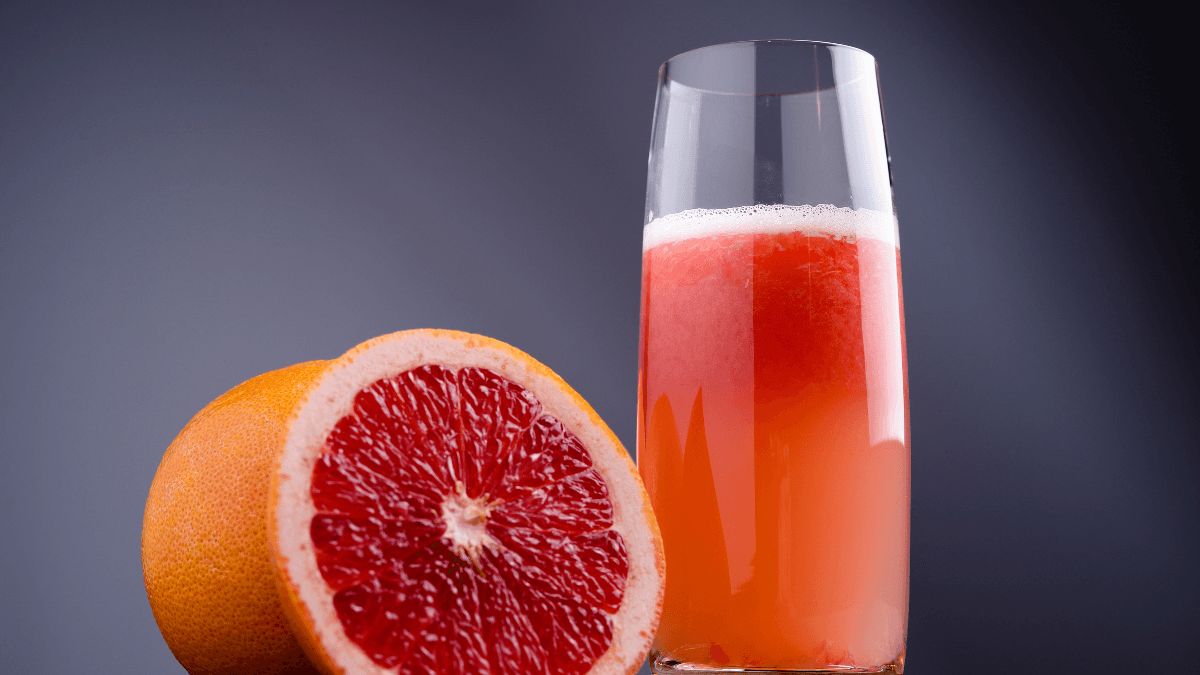
The short answer: the main foods to avoid while taking Brilinta are grapefruit and grapefruit juice. Alcohol and some concentrated supplements also need caution because ticagrelor, the generic name for Brilinta, can increase bleeding risk. Most everyday foods, including bananas, broccoli, spinach, and garlic in food amounts, are not automatically off-limits.
That distinction matters. Many people cut out healthy foods they can still eat, while missing products that may actually create problems. Brilinta is an antiplatelet medicine, meaning it helps make platelets less sticky. You can usually take it with or without food, but your food, drink, and supplement choices should support your heart recovery and avoid unnecessary bleeding risk.
Key Takeaways
- Grapefruit is the clearest food interaction.
- Alcohol needs a personal risk check.
- Green vegetables are usually fine.
- Supplement labels deserve careful review.
- Food timing is usually flexible.
What Foods Should Not Be Eaten With Brilinta?
The most important food-related issue is grapefruit. Grapefruit and grapefruit juice may affect how the body processes ticagrelor. If drug levels rise, bleeding risk may also increase. That is why grapefruit is the clearest item on most Brilinta food interaction lists.
Check more than the obvious glass of juice. Grapefruit can appear in juice blends, smoothies, cocktails, marmalades, wellness shots, and flavored drinks. If the ingredient list is vague, it is safer to skip the product until you can confirm what is inside.
Grapefruit Is the Main Food Red Flag
Grapefruit affects enzymes in the gut and liver that help process many medicines. This interaction can persist beyond one meal, so “just a little” may still matter for some people. Ask your prescriber or pharmacist whether any grapefruit product is acceptable for your situation.
Alcohol Is a Separate Caution
Alcohol is not the same type of interaction as grapefruit, but it can still add risk. It may irritate the stomach lining and can make bleeding concerns more important, especially if you also take aspirin, have a history of ulcers, fall often, or use other medicines that affect bleeding.
If you drink, ask your care team what amount, if any, fits your treatment plan. Do not assume that “moderate” drinking is safe for everyone on antiplatelet therapy.
Why it matters: A short avoid list protects treatment without removing useful foods.
| Item | Why caution matters | Practical takeaway |
|---|---|---|
| Grapefruit or grapefruit juice | May change ticagrelor breakdown and raise bleeding risk | Best avoided unless your prescriber says otherwise |
| Alcohol | May irritate the stomach and add to bleeding concerns | Ask what amount, if any, is reasonable for you |
| Turmeric, ginger, ginkgo, fish oil, or vitamin E supplements | Concentrated products may add to bleeding risk | Review every supplement before starting or restarting it |
| Very salty ultra-processed foods | Not a direct drug interaction, but may work against heart recovery goals | Limit them for heart health, not because of the drug itself |
Notice what is not on that list. Bananas, broccoli, spinach, oats, beans, and most fruit are not classic Brilinta diet restrictions. They may still matter for kidney disease, diabetes, or other conditions, but they are not banned simply because you take ticagrelor.
How Ticagrelor Changes Food Decisions
Ticagrelor helps reduce platelet clumping, which can lower clot risk after certain heart problems or procedures. Because of that mechanism, the main diet questions involve bleeding risk and drug metabolism, not a long list of forbidden produce.
People often call Brilinta a “blood thinner” in everyday speech. More precisely, it is an antiplatelet drug. That difference helps explain why its food rules are not the same as warfarin, an anticoagulant that is affected by vitamin K intake.
Green vegetables do not need special tracking for Brilinta the way some people hear about with warfarin. Broccoli, spinach, kale, and other leafy vegetables can usually remain part of a heart-healthy diet unless your own clinician has given a different reason to limit them.
You can usually take ticagrelor with or without food. Some people pair it with breakfast and an evening routine to help with consistency, but follow your prescription label and care-team instructions. Do not change aspirin, pain relievers, or other heart medicines without checking first, because these treatments are often planned together after a heart event or stent.
For a plain-language explanation of how this medicine fits into clot prevention, see Is Brilinta a Blood Thinner.
Supplements and Herbal Products to Review First
Supplements often create more uncertainty than meals. The concern is not that every natural product is unsafe. The concern is that some concentrated capsules, powders, gummies, oils, and extracts may add to bleeding risk when combined with an antiplatelet medicine.
- Turmeric or curcumin: Extracts may be stronger than cooking spice.
- Ginger supplements: Capsules or shots may exceed food amounts.
- Fish oil pills: Concentrated products deserve a medication review.
- Ginkgo biloba: Often flagged because bleeding risk may rise.
- Vitamin E supplements: Higher-dose products may be a concern.
Food amounts and supplement amounts are not equivalent. Garlic in a pasta sauce is different from high-dose garlic capsules. Ginger in a stir-fry is different from a concentrated shot. A serving of salmon is not the same as a high-dose fish oil supplement.
Combination products deserve special attention. A sleep gummy, “stress” blend, joint formula, green powder, or heart-health supplement may include several active ingredients in one serving. Take a photo of the supplement facts panel before your appointment. It can be more accurate than trying to remember the label.
Quick tip: Keep a running list of teas, powders, gummies, and capsules on your phone.
If you want a deeper look at supplement and medication concerns, the page on Brilinta Side Effects may help you prepare questions for your clinician.
Everyday Foods You Can Usually Keep Eating
Most people do not need a special Brilinta menu. A steady, heart-supportive eating pattern is usually more useful than a long avoid list. The main exception is grapefruit, along with alcohol and supplement cautions that depend on your personal risk.
Bananas are usually fine from a ticagrelor standpoint. They become a special question only if another condition changes your diet, such as kidney disease or a potassium restriction. That would be a separate nutrition issue, not a Brilinta food interaction.
Broccoli and leafy greens follow the same pattern. They can be part of a balanced plate and may support broader heart-health goals. If you were told to restrict greens for another medicine or condition, follow that separate advice and clarify which medication the rule applies to.
Garlic in normal food amounts is also usually different from concentrated garlic supplements. If you use garlic capsules, extracts, or multiple herbal products, ask for a medication review before continuing them with ticagrelor.
Can You Take It With Food?
Yes, many people can take Brilinta with or without food. Food is not usually required for the medicine to work. Taking it with a regular routine may simply help you remember doses more consistently.
If nausea or stomach upset occurs, ask your pharmacist or prescriber whether taking it with food is reasonable for you. Do not crush, split, skip, or reschedule doses unless your care team has told you to do so.
For coffee-specific questions, see Brilinta and Caffeine.
Building a Heart-Healthy Plate During Treatment
The best eating pattern during antiplatelet treatment is usually simple, consistent, and focused on heart health. That means choosing foods that support blood pressure, cholesterol, blood sugar, and recovery rather than chasing a large list of prohibited items.
- Build around plants: Vegetables, fruit, beans, oats, and whole grains add fiber.
- Choose lean proteins: Fish, poultry, tofu, beans, and yogurt can work well.
- Favor healthy fats: Nuts, seeds, olive oil, and avocado are practical staples.
- Keep sodium lower: Packaged soups, chips, deli meats, and takeout add up quickly.
- Use food first: Whole foods are usually simpler than stacked supplements.
- Plan snacks ahead: Easy options can reduce ultra-processed choices.
A practical day does not need to be complicated. You might choose oatmeal and fruit at breakfast, a bean or chicken salad at lunch, yogurt or nuts as a snack, and fish or tofu with vegetables and a whole grain at dinner. The goal is a pattern you can repeat without grapefruit, excess alcohol, or unnecessary supplement stacking.
Restaurant meals can be harder to judge because sodium, portion size, and hidden ingredients vary. Simple orders are easier to assess: grilled protein, vegetables, rice, a baked potato, or salad with dressing on the side. Be cautious with juice-based cocktails, mocktails, and wellness drinks because grapefruit may not be obvious.
If you want broader heart-related reading, the Cardiovascular Hub gathers related educational topics. For treatment-category browsing, the Cardiovascular Products collection can help you orient yourself without replacing medical advice.
Alcohol, Aspirin, and Other Bleeding-Risk Questions
Bleeding risk depends on the whole picture, not food alone. Many people who take Brilinta also take aspirin as part of a clinician-directed plan. Other medicines, procedures, injuries, and supplements can change risk too.
Common over-the-counter pain relievers may also matter. Some products can affect bleeding or irritate the stomach. Ask which pain reliever is safest for your situation, especially if you have ulcers, kidney disease, liver disease, frequent falls, or a planned procedure.
Do not stop Brilinta because you notice a mild bruise or become worried about a food choice. Stopping antiplatelet therapy without medical guidance can be risky for some people. Call your prescriber or pharmacist if you accidentally had grapefruit, started a new supplement, or are unsure about alcohol.
For a focused discussion of drinking concerns, see Brilinta and Alcohol.
BorderFreeHealth connects U.S. patients with licensed Canadian partner pharmacies, and prescription details may be checked with the prescriber when required by pharmacy rules. This access context does not replace your clinician’s instructions about bleeding risk, diet, or medicine timing.
Side Effects and When to Get Help
Food questions matter, but side effects deserve equal attention. Because ticagrelor affects platelets, easier bruising and bleeding are the issues most people need to understand first.
Minor bruising or slightly longer bleeding from a small cut can happen. More serious symptoms need faster review, especially if they are new, heavy, or hard to explain.
- Urgent bleeding: Vomiting blood, black stools, coughing blood, or bleeding that will not stop.
- Head injury: Seek emergency help after a fall or blow to the head.
- Repeated bleeding: Report nosebleeds, blood in urine, or unusually heavy menstrual bleeding.
- Possible blood loss: Call about dizziness, paleness, shortness of breath, or worsening fatigue.
Is tiredness a side effect of Brilinta? Fatigue is not the most specific food clue, but it should not be ignored. Tiredness can come from heart-event recovery, poor sleep, other medicines, anemia, or bleeding that lowers blood counts. New, worsening, or unexplained fatigue deserves a call, especially with lightheadedness, shortness of breath, chest symptoms, or dark stools.
Shortness of breath can also occur with ticagrelor in some people. Get urgent help if breathing trouble is severe, sudden, linked with chest pain, or accompanied by fainting. For milder but persistent symptoms, contact your care team promptly for guidance.
Tell dentists, surgeons, and urgent care clinicians that you take ticagrelor before procedures or after injuries. This step gives other clinicians a clearer picture of bleeding risk, but it does not replace formal instructions from the prescriber managing your heart treatment.
What to Ask Before Changing Your Diet or Supplements
A short question list can make appointments more useful. Bring your prescription bottles, supplement labels, and a realistic description of your usual diet. Include alcohol, teas, powders, gummies, and “natural” products.
- Grapefruit products: Ask whether any amount is acceptable for you.
- Alcohol use: Confirm what limit, if any, fits your bleeding risk.
- Supplements: Review turmeric, ginger, fish oil, vitamin E, ginkgo, and blends.
- Pain relievers: Ask which over-the-counter options are safest.
- Procedures: Confirm what to do before dental work or surgery.
- Warning signs: Ask which symptoms should trigger urgent care.
If access or affordability is part of your planning, cash-pay cross-border prescription options may be available for some patients without insurance, depending on eligibility and jurisdiction. Keep that conversation separate from medical decisions about whether the medicine is right for you.
Readers comparing medicine names or browsing options can view Ticagrelor as a product-specific reference point, but clinical decisions should stay with the prescriber who knows your history.
Authoritative Sources
- For official U.S. prescribing details, review the FDA label for ticagrelor tablets.
- For medicine-finder patient information, see the Australian medicine-finder page for Brilinta.
- For broader nutrition goals after heart disease, visit the American Heart Association healthy eating resources.
In short, foods to avoid while taking Brilinta usually means grapefruit, caution with alcohol, and a careful look at supplements. Bananas, broccoli, garlic in food amounts, and most everyday foods are usually not restricted because of ticagrelor alone. Keep your diet heart-focused, check labels carefully, and ask for a medication review before adding concentrated supplements.
This content is for informational purposes only and is not a substitute for professional medical advice.