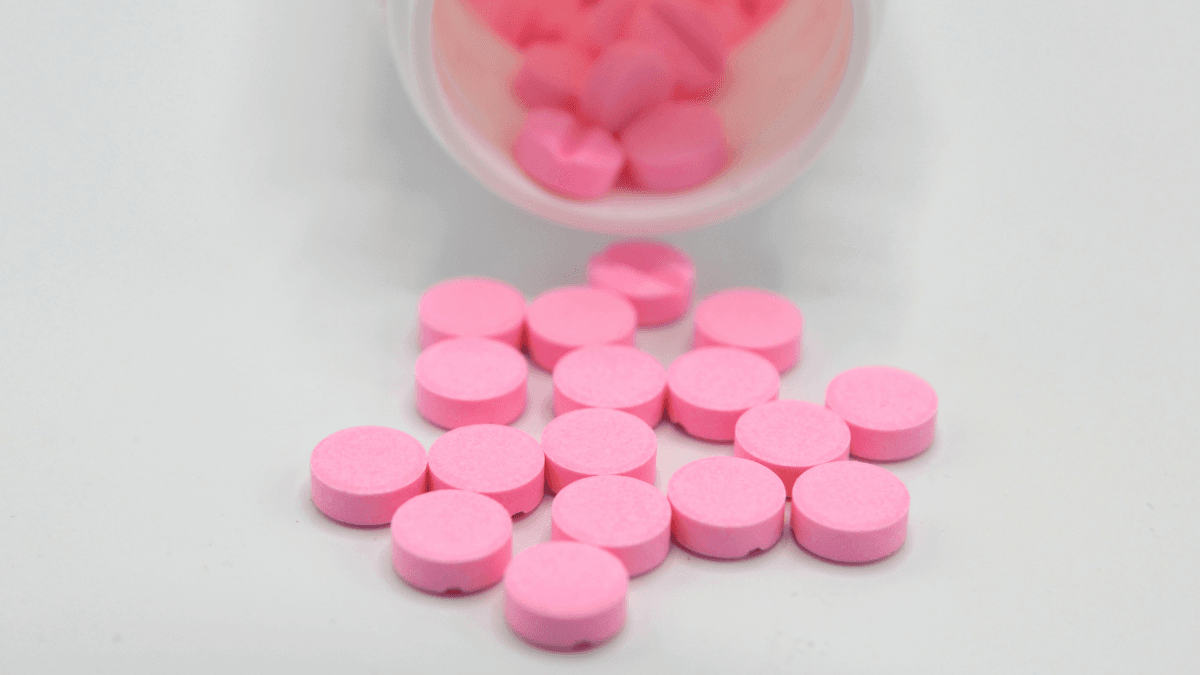
Xarelto used for usually means one thing: reducing the risk of harmful blood clots. Xarelto is the brand name for rivaroxaban, an anticoagulant that can treat certain clots, help prevent them from returning, and lower stroke risk in some people with atrial fibrillation.
That answer matters because clot prevention is only one side of treatment. The other side is bleeding safety. Knowing why you take it, how it fits your condition, and which warning signs matter can help you have clearer conversations with your clinician.
Key Takeaways
- Main purpose: Xarelto helps prevent or treat dangerous blood clots.
- Common uses: It may be used for DVT, pulmonary embolism, and stroke risk reduction in nonvalvular atrial fibrillation.
- Not a clot buster: It does not dissolve clots instantly like emergency thrombolytic drugs.
- Dosing varies: Strengths and food instructions depend on the condition and kidney function.
- Bleeding matters: Unusual bleeding, black stools, severe headache, or vision changes need prompt medical attention.
Xarelto Used For: Conditions Clinicians Commonly Treat
Xarelto is used for clot-related conditions where preventing clot growth or recurrence is important. It belongs to a group called direct oral anticoagulants, often shortened to DOACs. These medicines affect the clotting system without routine INR testing, which is usually associated with warfarin.
One common use is deep vein thrombosis, or DVT. This is a clot in a deep vein, often in the leg. Another use is pulmonary embolism, or PE, when a clot travels to the lungs. These conditions can become serious quickly, so treatment plans are usually specific and closely directed.
Xarelto may also be used to reduce stroke risk in adults with nonvalvular atrial fibrillation. Atrial fibrillation is an irregular heart rhythm. When blood does not move smoothly through the heart, clots can form and travel to the brain.
Some people receive rivaroxaban after hip or knee replacement surgery to reduce the risk of postoperative clots. It may also be used in selected people with coronary artery disease or peripheral artery disease, often alongside low-dose aspirin when the prescriber decides that the benefit outweighs bleeding risk.
For a focused look at clot prevention across DVT, PE, and stroke risk, see DVT, PE, and Stroke Prevention.
Is Xarelto a Blood Thinner?
Yes, Xarelto is commonly called a blood thinner, although that phrase is not literal. It does not make blood watery. Instead, rivaroxaban reduces the blood’s ability to form certain clots by blocking Factor Xa, a clotting protein involved in the clot-building process.
This distinction helps answer another common question: does Xarelto dissolve blood clots? It does not work like a clot-busting medicine used in some emergencies. It helps stop existing clots from getting larger and helps reduce the chance of new clots forming. Your body may then gradually break down a clot through its natural healing processes.
Why it matters: A missed dose, extra dose, or sudden stop can change clotting and bleeding risk.
Because anticoagulants affect clotting, your care team needs to know about them before procedures. This includes dental extractions, colonoscopies, injections near the spine, and surgeries. Do not stop or restart rivaroxaban without specific instructions from the clinician managing it.
If you are comparing anticoagulants more broadly, the Cardiovascular Articles collection can help you explore related heart and vessel topics.
Dose Strengths, Food Instructions, and Timing Questions
Xarelto dose strength depends on the reason it was prescribed. People may hear about Xarelto 20 mg, 15 mg, 10 mg, or 2.5 mg in different settings, but those numbers do not mean the medicines are interchangeable. The right plan depends on the diagnosis, kidney function, age, other medicines, and bleeding risk.
Some rivaroxaban doses have specific food instructions. For example, certain higher-strength regimens are taken with food to support absorption. Other situations may have different directions. The safest approach is to follow the prescription label and confirm instructions with your pharmacist or prescriber if anything is unclear.
Many people search for the best time to take Xarelto 20 mg. There is no universal time that fits everyone. What matters most is taking it exactly as prescribed and using a routine you can follow. If your label says to take it with food, link it to a consistent meal unless your clinician gives different instructions.
Tablet appearance may change after a refill, especially if the pharmacy dispenses a different manufacturer or a generic where available. Before taking a pill that looks unfamiliar, confirm the drug name, strength, and directions with the pharmacy.
Quick tip: Keep a current medication list in your wallet or phone.
For a deeper condition-specific discussion, read Deep Vein Thrombosis Treatment.
Side Effects and Warning Signs to Take Seriously
The main side effect of Xarelto is bleeding. Minor bleeding can include easier bruising, longer bleeding from small cuts, nosebleeds, or bleeding gums. These issues are worth reporting, especially if they are new, frequent, or worsening.
Serious bleeding needs urgent assessment. Seek medical help right away for black or tarry stools, red or brown urine, vomiting blood or material that looks like coffee grounds, coughing up blood, sudden severe headache, fainting, unusual weakness, or a fall with head impact. Sudden vision changes or new eye symptoms also deserve prompt care.
Side effects of Xarelto in the elderly can be more concerning because older adults may have kidney changes, fall risk, multiple medicines, or a higher baseline bleeding risk. This does not mean older adults cannot use anticoagulants. It means medication review, kidney function checks, and fall-prevention conversations are especially important.
People also ask about blood pressure, weight changes, tiredness, and stomach symptoms. Rivaroxaban is not usually described as a direct blood pressure medicine. However, heavy bleeding can cause dizziness, weakness, or low blood pressure. New swelling, unexplained weight gain, severe fatigue, or persistent stomach upset should be reviewed because the cause may not be the anticoagulant alone.
For a practical safety checklist, see Xarelto Side Effects and Safety.
Interactions, Alcohol, and Things to Avoid
Some medicines and supplements can raise bleeding risk or change rivaroxaban levels. Important examples may include NSAIDs such as ibuprofen or naproxen, aspirin or antiplatelet therapy, certain antidepressants, some antifungals, some antibiotics, HIV medicines, seizure medicines, and herbal products that affect bleeding.
Do not assume a natural product is safe because it is sold without a prescription. Teas, supplements, and herbal products can still affect clotting or interact with medicines. If you use green tea, ginger, garlic supplements, ginkgo, turmeric, or other concentrated products, ask your clinician or pharmacist whether they fit your situation.
Alcohol is another common concern. Rivaroxaban and alcohol are not always an absolute no, but drinking can increase fall risk and may irritate the stomach. Heavy alcohol use can also complicate bleeding risk and liver health. Your prescriber can help define what is reasonable for your medical history.
What should you avoid while taking rivaroxaban? Avoid medication changes without review, avoid doubling doses unless specifically instructed, and avoid high-risk activities where falls or injuries are likely. Also avoid stopping the medicine suddenly unless a clinician tells you to, because stopping can raise clot risk in some situations.
If alcohol is part of your routine, review Xarelto and Alcohol for discussion points to bring to your care team.
How Xarelto Fits Among Other Blood Thinner Medications
Rivaroxaban is one option among several anticoagulants. A blood thinner medications list often includes DOACs such as rivaroxaban, apixaban, dabigatran, and edoxaban, along with warfarin and injectable anticoagulants used in certain settings.
These medicines differ in dosing schedules, food instructions, kidney considerations, monitoring needs, and interaction patterns. Warfarin usually requires INR blood testing and attention to vitamin K intake. DOACs do not usually require routine INR checks, but kidney and liver function still matter.
People often compare Xarelto with Eliquis because both are Factor Xa inhibitors. A clinician may consider the condition being treated, kidney function, bleeding history, other medicines, adherence, cost, and prior clot history. There is no single best option for every person.
For a side-by-side discussion of two common DOACs, see Eliquis vs Xarelto. If you are researching names and availability, Xarelto Generic Availability explains common terminology.
Questions to Clarify With Your Care Team
Before leaving an appointment, it helps to know the exact reason for treatment. Ask which condition Xarelto is treating or preventing, how long therapy is expected to continue, and what should happen before surgery or dental work. Some people take anticoagulants for a defined period, while others need longer-term stroke or clot prevention.
- Indication: Ask which clot risk or diagnosis it addresses.
- Strength: Confirm the tablet strength and schedule.
- Food instructions: Ask whether each dose needs food.
- Missed dose plan: Get condition-specific instructions in advance.
- Procedure planning: Ask who manages temporary holds, if needed.
- Interaction review: Include prescriptions, supplements, and pain relievers.
If access or medication names are part of your research, BorderFreeHealth connects U.S. patients with licensed Canadian partner pharmacies, and prescription details may be verified with the prescriber when required before dispensing. Some patients also compare cash-pay cross-border prescription options without insurance, subject to eligibility and local rules.
You can browse related anticoagulant and heart-health medicine listings in Cardiovascular Options, but treatment choice should come from your clinician.
Authoritative Sources
For official prescribing details, see the current Xarelto prescribing information.
For patient-facing drug safety information, review MedlinePlus information on rivaroxaban.
For broad educational context on anticoagulants, consult the American Heart Association anticoagulant overview.
Recap
Xarelto used for clot prevention and treatment can include DVT, pulmonary embolism, stroke risk reduction in nonvalvular atrial fibrillation, and selected prevention uses after surgery or in vascular disease. It works by reducing clot formation, not by instantly dissolving clots.
The most important safety issue is bleeding. Your dose, food instructions, treatment length, and procedure plan should come from your care team. If symptoms feel severe, unusual, or sudden, seek medical care rather than waiting.
This content is for informational purposes only and is not a substitute for professional medical advice.