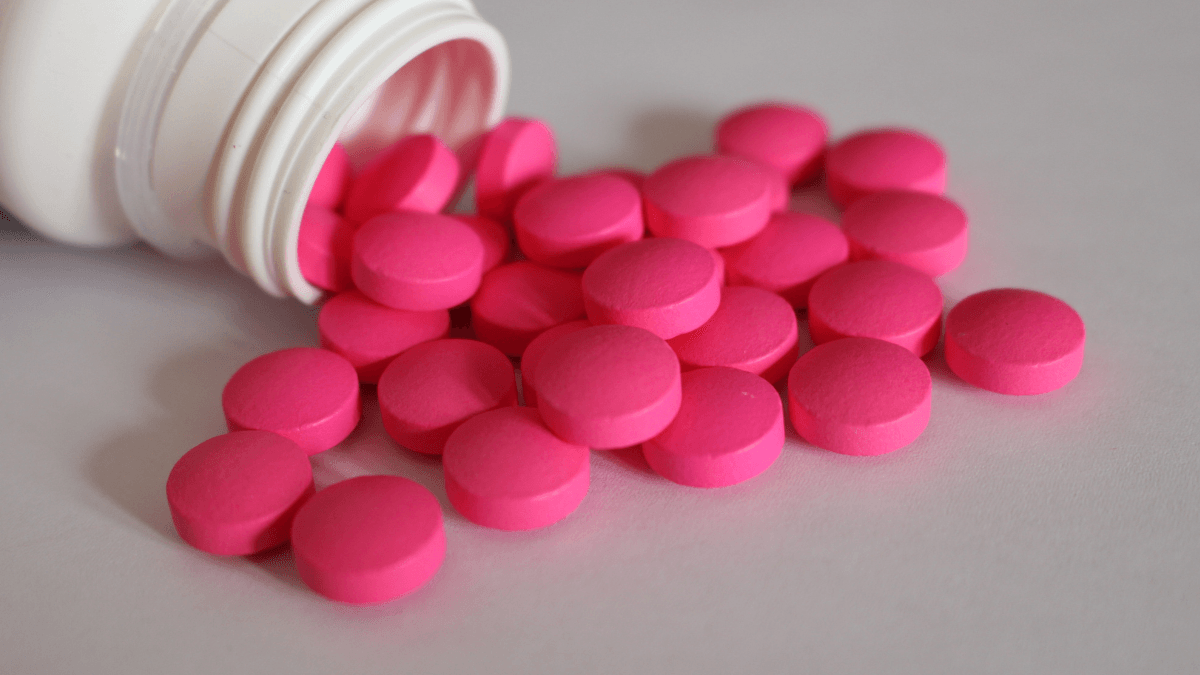
Xarelto uses center on lowering the risk of harmful blood clots, including clots in the legs, lungs, or those linked with certain heart rhythm problems. It is the brand name for rivaroxaban, an anticoagulant often called a blood thinner. That term is familiar, but the medicine does not actually thin blood. It reduces clotting activity, which can help prevent serious complications while also increasing bleeding risk.
That balance matters. The right use, strength, timing, and follow-up plan depend on why it was prescribed, your kidney and liver health, other medicines, and bleeding history.
Key Takeaways
- Main role: Rivaroxaban helps treat or prevent specific blood clots.
- Common uses: It may be used for DVT, PE, stroke risk reduction in nonvalvular atrial fibrillation, and certain postsurgical clot prevention plans.
- Safety focus: Bleeding is the main risk, especially with interacting medicines or certain health conditions.
- Routine matters: Some strengths are taken with food, and timing should match the prescription label.
- Ask early: Missed doses, procedures, dental work, and new medicines need pharmacist or prescriber guidance.
How Rivaroxaban Works as a Blood Thinner
Rivaroxaban works by blocking Factor Xa, a clotting protein that helps the body build blood clots. This targeted action places it in the direct oral anticoagulant class, often shortened to DOAC. People may also hear the term anticoagulant, which means a medicine that reduces clot formation.
In plain language, it slows one important step in the clotting process. That can lower the chance that a clot grows, returns, or travels to a dangerous location. The trade-off is predictable: bleeding can start more easily or take longer to stop.
Unlike warfarin, rivaroxaban usually does not require routine INR blood testing. That does not mean follow-up is optional. Clinicians may still review kidney function, liver history, bleeding symptoms, and medication changes because these factors can affect safety.
Why it matters: Anticoagulants protect against clots only when the regimen fits the person and the condition.
Where Xarelto Fits in Clot and Stroke Prevention Care
Xarelto uses vary because clot risk can come from different medical situations. Some people take it to treat an existing clot. Others take it to reduce the chance of a future clot after surgery or because of a heart rhythm condition.
Common label-supported uses include treating deep vein thrombosis, also called DVT, and pulmonary embolism, or PE. DVT is a clot in a deep vein, often in the leg. PE is a clot that reaches the lungs. Both require careful medical follow-up because they can become serious.
Rivaroxaban may also be used to reduce the risk of stroke and systemic embolism in adults with nonvalvular atrial fibrillation. Atrial fibrillation is an irregular heart rhythm that can allow clots to form in the heart. If a clot travels to the brain, it can cause a stroke.
Another use is clot prevention after certain hip or knee replacement surgeries. In that setting, the goal is to reduce postoperative venous thromboembolism risk. Your surgical team and prescribing clinician decide whether it fits your plan.
For a broader discussion of approved and common clinical scenarios, see What Conditions Xarelto Treats. If you are focused on leg clots, DVT Treatment explains symptoms, follow-up questions, and practical expectations.
Dosing Strengths, Food, and Timing Basics
Rivaroxaban tablets come in different strengths, and each strength has a specific clinical purpose. A higher number on the tablet does not simply mean someone is sicker. The selected strength depends on the indication, treatment stage, kidney function, interacting medicines, and bleeding risk.
Many readers ask about Xarelto 10 mg, 15 mg, and 20 mg tablets because those strengths are common in discussions about clot treatment and prevention. The schedule can change when care moves from an initial treatment phase to a longer prevention phase. Do not compare your label with someone else’s regimen, even if the diagnosis sounds similar.
Why food instructions matter
Some rivaroxaban strengths are meant to be taken with food to support consistent absorption. If your prescription label says to take it with a meal, follow that direction. If meals are irregular, ask your pharmacist how to build a routine that matches the label.
People often ask about the best time to take Xarelto 20 mg. The safest answer is the time your prescriber or pharmacist recommends for your exact regimen. In many cases, consistency matters more than the clock time itself, but food directions and your medical reason for treatment can change the plan.
What can change a dose plan
Dose plans can change when kidney function changes, a new interacting medicine is started, or the treatment goal shifts. Surgery, dental procedures, bleeding events, or new liver concerns may also prompt a review. Never stop or restart an anticoagulant on your own, because both clotting and bleeding risks can change quickly.
If you are checking names or strengths against a prescription label, the Rivaroxaban page can help you recognize common product naming. Keep that kind of review separate from medical decision-making, which belongs with your care team.
Side Effects and Bleeding Warning Signs
The most important safety issue with rivaroxaban is bleeding. Mild bruising, longer bleeding from small cuts, or occasional nosebleeds can occur, but any new or worsening bleeding pattern deserves attention. Some people also report stomach discomfort, fatigue, or dizziness, though these symptoms can have many causes.
Seek urgent care for severe or sudden symptoms. Examples include coughing or vomiting blood, black or tarry stools, red or brown urine, severe headache, fainting, sudden weakness, confusion, heavy bleeding that will not stop, or a serious fall or head injury. These signs may point to internal bleeding or another emergency.
When people search for Xarelto side effects, they often need help separating common symptoms from red flags. A deeper safety checklist is available in Xarelto Safety Information. For age-related concerns, Side Effects in Older Adults discusses bruising, falls, and monitoring questions in more detail.
Blood pressure changes are not the main expected effect of rivaroxaban, but dizziness, fainting, weakness, or unusual fatigue should not be ignored. Those symptoms can have many causes, including bleeding. If they are sudden, severe, or paired with signs of blood loss, seek medical help.
Who May Need Extra Caution
Some people need a more careful review before using rivaroxaban. Important caution areas include active serious bleeding, certain liver diseases, severe kidney problems, and conditions that affect clotting in complex ways. Pregnancy and breastfeeding also require individualized medical discussion.
People with mechanical heart valves are usually managed with different anticoagulation strategies. Your clinician may also ask about antiphospholipid syndrome, prior bleeding, stomach ulcers, recent surgery, or planned procedures. These details help weigh clot prevention against bleeding risk.
Drug interactions are another major safety topic. Some antibiotics, antifungals, seizure medicines, HIV medicines, and herbal products can affect rivaroxaban levels. NSAID pain relievers, such as ibuprofen or naproxen, and antiplatelet medicines may increase bleeding risk when combined with anticoagulants.
Quick tip: Keep one updated medication list that includes prescriptions, supplements, and over-the-counter products.
What to Avoid or Plan Around While Taking It
Day-to-day safety often comes down to planning. Avoid starting new medicines, supplements, or herbal products without checking whether they affect bleeding risk. This includes common pain relievers and products promoted as natural blood thinners.
Tea, turmeric, fish oil, ginkgo, garlic supplements, and similar products can raise questions because they may affect bleeding or interact with medicines in some people. Do not use a food, tea, or supplement as a substitute for prescribed anticoagulation. Ask your pharmacist before combining products that might influence clotting.
Alcohol also deserves caution. It can irritate the stomach, increase fall risk, and make it harder to notice early warning signs. If you drink, ask your clinician what amount, if any, is reasonable for your situation. For focused discussion, see Xarelto and Alcohol.
Procedures require coordination. Tell dentists, surgeons, and other clinicians that you take rivaroxaban well before a procedure. Do not stop it for dental work, injections, or surgery unless the prescribing clinician gives clear instructions. Planning helps reduce both bleeding risk and clot risk.
How It Compares With Other Blood Thinners
Rivaroxaban is one option within a wider group of blood thinner medications. Other oral anticoagulants include apixaban, dabigatran, edoxaban, and warfarin. Injectable anticoagulants may also be used in certain hospital, surgical, or short-term situations.
These medicines are not interchangeable without medical review. They differ in dosing schedules, food instructions, kidney considerations, drug interactions, monitoring needs, and reversal options. Cost and coverage can also affect access, but those factors should be discussed alongside safety and clinical fit.
If you are comparing common DOAC options, Xarelto and Eliquis explains practical differences to discuss with a prescriber. Product pages for Apixaban, Dabigatran, and Warfarin can also help you recognize medication names when reviewing a blood thinner medications list.
BorderFreeHealth connects U.S. patients with licensed Canadian partner pharmacies for eligible prescriptions, and prescription details may be verified with the prescriber when required. That access context can be useful when comparing names, but it does not replace clinical advice about which anticoagulant fits your health history.
Questions to Bring to Your Next Visit
A short list of questions can make anticoagulant visits more useful. Bring your medication bottles or a current list, including supplements and occasional pain relievers. Also mention recent falls, new bruising, nosebleeds, planned dental work, or changes in kidney or liver test results.
- Reason for therapy: Ask which clot risk the medicine addresses.
- Food directions: Confirm whether your strength needs a meal.
- Missed dose plan: Get instructions for your exact schedule.
- Procedure planning: Ask whom to contact before dental or surgical care.
- Interaction check: Review pain relievers, supplements, and new prescriptions.
- Safety monitoring: Ask which symptoms need urgent care.
If swallowing tablets, meal timing, cost, or refill planning creates barriers, say so early. Practical obstacles can affect consistency. Your pharmacist or prescriber may be able to suggest safer routines or review alternatives without guessing.
Readers who want related heart and circulation education can browse Cardiovascular Articles. For medication-name familiarity across this therapy area, Cardiovascular Options provides a browseable product category.
Authoritative Sources
For label-backed uses, warnings, and medication guide language, review the DailyMed rivaroxaban label listings.
For a patient-readable government summary, see the MedlinePlus rivaroxaban medication information.
For general clot and venous thromboembolism education, the CDC blood clots overview explains DVT and PE basics.
Recap
Rivaroxaban is an anticoagulant used to treat or prevent specific harmful clots. Xarelto uses include DVT and PE treatment, stroke risk reduction in nonvalvular atrial fibrillation, and clot prevention after certain orthopedic surgeries. The right plan depends on the medical reason, dose instructions, other medicines, and individual bleeding risk.
Use your prescription label as the daily reference, and ask for help before procedures, new medicines, supplements, or missed-dose decisions. Clear communication is one of the best safety tools for anyone taking a blood thinner.
This content is for informational purposes only and is not a substitute for professional medical advice.