
Questions about peptides? Click here to schedule a free consultation with a physician.
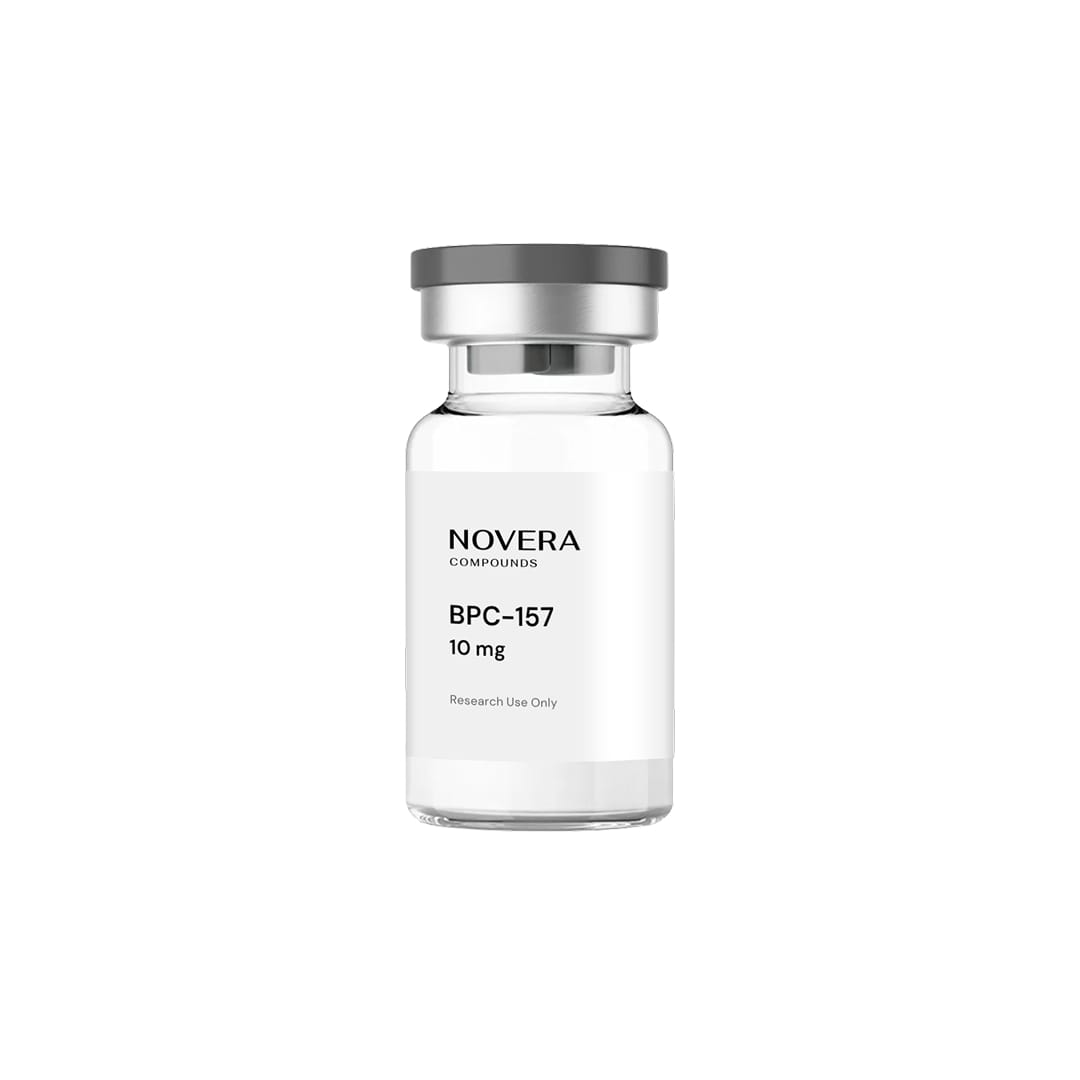
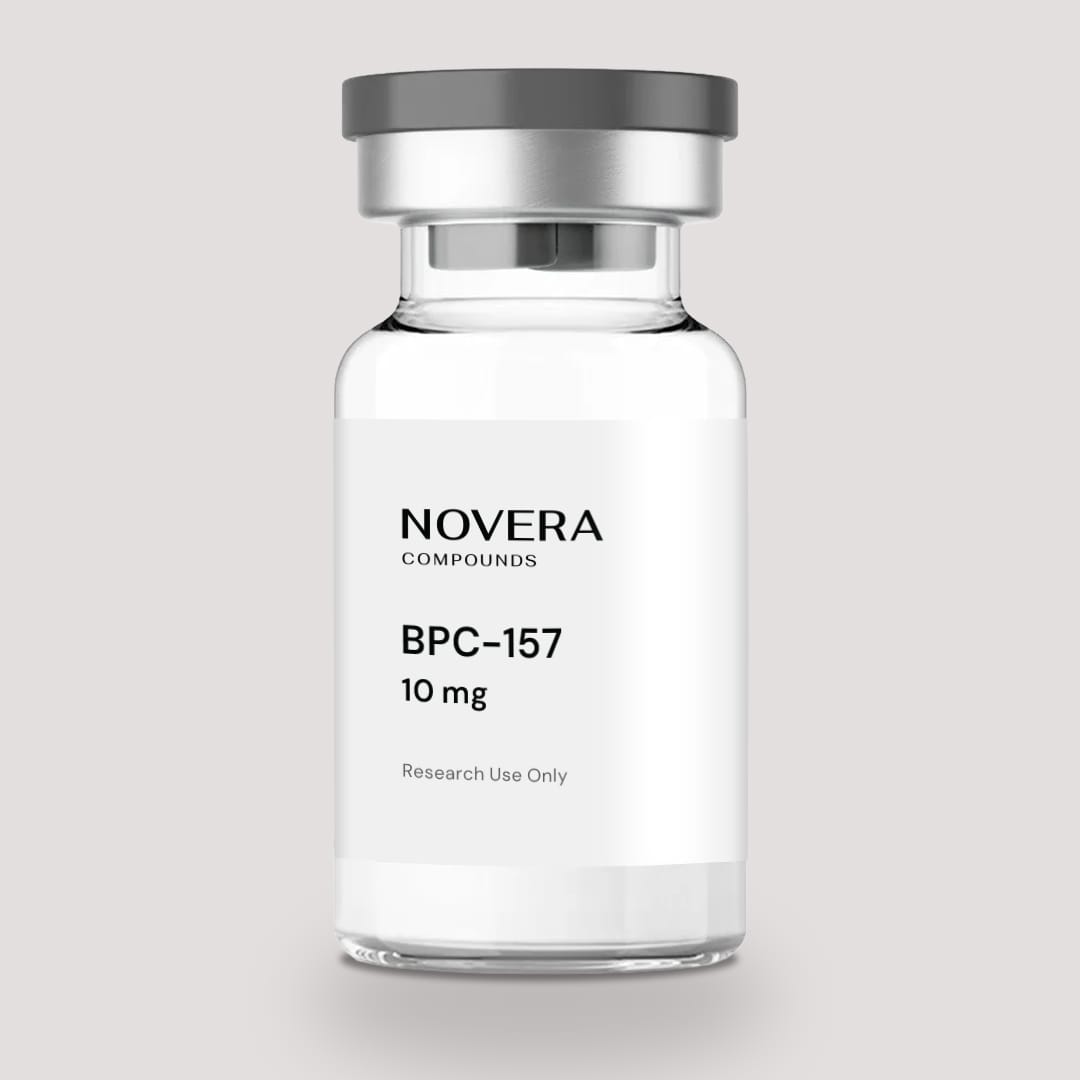
BPC-157 is a synthetic peptide also known as Body Protection Compound-157 or pentadecapeptide BPC-157. It can be ordered online, with current BPC-157 price and quantity information shown during checkout. This peptide is supplied for research use only and is not intended for human consumption, self-administration, therapeutic use, veterinary use, diagnostic procedures, or personal treatment.
BPC-157 is widely discussed online in connection with tendon repair, muscle recovery, joint pain, gastrointestinal protection, and inflammation. Those discussions often mix early research findings with personal-use claims, so the product should be evaluated by its actual identity, handling requirements, and research-use status rather than by testimonials or social media claims.
BPC-157 Price, Ordering, and Product Selection
BPC-157 cost can vary by quantity, presentation, and the current ordering information shown at purchase. Match the product name, total contents, storage instructions, and any batch information to the intended research context. Do not treat online references to BPC-157 capsules, tablets, powders, supplements, or injections as interchangeable unless the actual product documentation supports that form.
When you buy BPC-157 online, keep the selection tied to the material being offered rather than to claims about BPC-157 benefits. The terms Body Protection Compound 157, pentadecapeptide BPC 157, and BPC-157 peptide may refer to the same peptide identity, but wording alone does not confirm a strength, format, route, or suitability for personal use. US delivery from Canada may be part of the service context, and prompt, express shipping may be referenced during ordering.
For broader browsing, the peptides category groups related peptide products. Category navigation can help organize adjacent compounds, but it should not replace careful review of product identity, storage requirements, safety boundaries, or the difference between research availability and approved treatment.
Quick tip: Save the product name, order date, quantity, and lot information if provided so the material remains traceable after delivery.
Research-Use Status, Trials, and Treatment Claims
BPC-157 is not offered here as an approved medication for tendon repair, joint pain, muscle recovery, stomach problems, inflammation, neurological symptoms, or recovery after injury. Research peptide availability, clinical trial participation, and approved medical treatment are separate pathways. Ordering a research-use peptide does not mean it has been evaluated for personal dosing, safety, effectiveness, or treatment use.
Questions such as whether BPC-157 can be taken every day, what dosage to use, or how long it takes to work cannot be answered responsibly from a research product context. Human-use dosing has not been established through the type of clinical evaluation expected for approved medicines. Anyone considering peptide exposure for a health reason should speak with a qualified healthcare professional instead of relying on BPC-157 reviews, before-and-after posts, or influencer protocols.
Clinical trial access is also different from buying a peptide for research purposes. Trial participation, when available, is governed by a study sponsor, eligibility criteria, informed consent, and medical oversight. A research-use product should not be used as a substitute for enrollment in a legitimate clinical study or for care from a licensed clinician.
Research-Grade Product Profile
BPC-157 is a synthetic pentadecapeptide made of 15 amino acids. It was derived from a protein fragment associated with gastric secretions and has attracted scientific interest because of its stability in biological research environments. Preclinical literature has examined possible roles in tissue remodeling, vascular signaling, gastrointestinal integrity, and neurobiological pathways.
The compound is often described as a “healing peptide,” but that phrase can overstate what is known. Most evidence comes from cell, tissue, or animal models, and those findings do not prove that BPC-157 is safe or effective for people. Human-use claims remain unsettled, especially when products are promoted as supplements, recovery aids, or anti-aging treatments.
| Parameter | Specification |
|---|---|
| Product Name | BPC-157 |
| Alternative Names | Body Protection Compound-157, Pentadecapeptide BPC-157 |
| Peptide Length | 15 amino acids |
| Molecular Formula | C62H98N16O22 |
| Molecular Weight | 1419.55 g/mol |
| Peptide Type | Synthetic pentadecapeptide |
| Purity | Research grade |
| Storage Conditions | Store refrigerated as specified on product documentation |
| Intended Use | Research use only |
Pathways and Research Areas Under Investigation
BPC-157 has been studied in experimental systems related to cellular repair processes and tissue remodeling. Reported research areas include collagen deposition, extracellular matrix formation, fibroblast migration, angiogenesis, oxidative stress responses, inflammatory signaling, and cell survival. These endpoints describe research observations, not instructions for personal use.
In tendon and ligament models, studies have examined tendon-derived fibroblast migration, cell survival, and outgrowth under controlled experimental conditions. Pathways such as focal adhesion kinase and paxillin have been investigated because they help regulate cell attachment, movement, and structural organization. The ligament healing category may help organize related topics, but it should not be read as evidence that BPC-157 treats ligament injuries in people.
Gastrointestinal research has also been a major focus. BPC-157 was originally associated with gastric tissue research, and preclinical work has evaluated models involving gastric injury, intestinal lesions, esophageal damage, duodenal healing, and inflammatory gastrointestinal conditions. Reported findings around mucosal integrity remain part of ongoing scientific investigation.
- Angiogenesis and vascular development models
- Fibroblast migration and cell attachment research
- Collagen and extracellular matrix studies
- Gastrointestinal mucosal integrity models
- Oxidative stress and cell survival experiments
- Neurovascular and neurotransmitter pathway research
Because these pathways overlap with repair and inflammatory biology, BPC-157 research can intersect with many scientific themes. The inflammation category can support topic browsing, but inflammation-related research does not establish a clinical role for this peptide.
Tendon, Muscle, Joint, and Recovery Discussions
BPC-157 is commonly searched alongside tendon repair, muscle recovery, joint pain, and injury healing. Those interests reflect the way the peptide is discussed in preclinical literature and wellness marketing. They do not mean the product is approved for athletes, active adults, surgical recovery, chronic pain, arthritis, digestive symptoms, or general recovery goals.
Muscle recovery models have examined structural repair and functional restoration after experimental injury. Some studies have described favorable tissue outcomes in settings where healing was impaired. These findings do not confirm that BPC-157 improves muscle recovery in humans, reduces soreness, prevents injury, or speeds return to activity.
Joint pain and tendon problems can have many causes, including inflammation, degeneration, autoimmune disease, overuse, infection, and mechanical injury. A clinician can evaluate the cause and recommend evidence-based care. Self-directed peptide use may delay diagnosis, complicate treatment, or add risks from an unknown product source, improper handling, contamination, or interactions with other substances.
Safety, Side Effects, and Personal Risk Factors
BPC-157 safety for human use has not been established through the kind of clinical evaluation expected for approved medications. Limited human data mean possible side effects, kidney effects, heart effects, immune reactions, injection-related harms, contamination risks, and drug interactions are not fully understood. Do not use this research peptide for self-directed treatment or personal dosing.
People often ask whether BPC-157 is hard on kidneys or what it does to the heart. Those questions do not have reliable, product-specific answers for personal use because controlled human safety evidence is limited. Kidney disease, cardiovascular disease, blood pressure problems, diabetes, immune conditions, pregnancy, planned surgery, and the use of multiple medicines can all change personal risk.
Anyone who has used or is considering peptide products should tell a healthcare professional about all medicines, supplements, hormones, over-the-counter products, and experimental compounds. This is especially important for people using blood thinners, diabetes medicines, blood pressure treatments, immune-modifying therapies, or drugs with narrow safety margins. Interaction risks may be missed when peptide use is not disclosed.
Seek urgent medical help for severe allergic symptoms, chest pain, breathing difficulty, fainting, severe swelling, neurological symptoms, signs of infection, or rapidly worsening pain. These symptoms need medical assessment rather than online troubleshooting, repeat exposure, or changes based on anecdotal BPC-157 reviews.
Why it matters: Research-only labeling helps prevent uncertain laboratory findings from becoming unsafe personal treatment decisions.
Handling, Storage, and Documentation
Store BPC-157 refrigerated as specified on the product documentation. Avoid unnecessary temperature changes, repeated handling, contamination, and informal transfers. Follow the handling instructions associated with the product and use appropriate protective measures for peptide materials.
Good documentation supports traceability and quality control. Track the product name, supplier, order date, lot number if available, storage location, date opened, and handling notes. Record any deviations from expected storage or handling conditions because those details can affect interpretation and safety review.
Do not rely on forum posts to decide whether a peptide is still suitable after heat exposure, prolonged storage, reconstitution, or visible changes. The correct approach depends on product documentation and material handling standards. If storage conditions are uncertain, treat the material cautiously rather than assuming potency, purity, or safety.
Quality Standards for Research Peptides
Research peptide selection should prioritize identity, traceability, and documented handling. BPC-157 is a small synthetic peptide, and small differences in manufacturing, storage, labeling, or contamination can affect interpretation. Batch documentation, purity information, and storage instructions should be kept whenever available.
Similar names can create confusion. Body Protection Compound-157, pentadecapeptide BPC-157, and BPC-157 refer to the same peptide identity in this context, but related peptides may have different sequences, proposed mechanisms, and handling requirements. Treat each compound as a separate material with its own documentation.
Wellness-market claims can be especially misleading when they promise recovery, pain relief, gut healing, anti-aging effects, or performance benefits. Commercial claims are not a substitute for peer-reviewed evidence, appropriate safety review, and clear separation between research use and personal treatment.
Related Peptide Research Options
Related peptide products can help organize research questions, but they should not be swapped without scientific review. Different peptides may have different sequences, proposed pathways, storage needs, and safety uncertainties. Product names that appear together in wellness discussions may not serve the same purpose.
TB-500 is a separate peptide listing and is not a direct replacement for BPC-157. Review each material on its own terms, including peptide identity, intended research use, documentation, and storage instructions. Ipamorelin is another peptide product with a different research context and should be evaluated separately rather than grouped with tissue-repair discussions.
For patient-friendly background on why peptide discussions differ from approved medication decisions, Peptides Explained: A Practical Guide for Patients may help frame safer questions for a clinician. Educational content can support informed conversations, but it should not be used to justify unsupervised peptide use.
Authoritative Sources
Independent safety context is important because BPC-157 is widely promoted online despite unsettled human-use evidence. The OPSS summary on BPC-157 safety and status explains concerns about prohibited peptide products and unapproved drug claims. A peer-reviewed narrative review of BPC-157 research and risk discusses the scientific literature and uncertainty around human-use claims.
Use these sources to support careful evaluation and clinician conversations. They should not be used to create self-treatment plans, determine personal dosage, or replace medical evaluation for pain, injury, digestive symptoms, cardiovascular concerns, kidney questions, or recovery goals.
This content is for informational purposes only and is not a substitute for professional medical advice.
Research & Education Tool
BPC-157 Dosage Calculator
Enter the vial amount, diluent volume, and target amount to estimate concentration, draw volume on a 1 mL U-100 syringe, and approximate vial yield.
For research and educational use only. Check all values against the product label, certificate of analysis, and any applicable professional guidance before relying on the result.
mg
Concentration
-
mcg / mL
Volume per Dose
-
-
Estimated Draws / Vial
-
rounded down to whole draws
Draw Reference
Enter values to estimate the syringe mark.
0
-
-
-
-
Express Shipping - from $29.99
Shipping with this method takes 3-5 days
Prices:
- Dry-Packed Products $29.99
- Cold-Packed Products $39.99
Shipping Countries:
- United States (all contiguous states**)
- Worldwide (excludes some countries***)
Standard Shipping - $19.99
Shipping with this method takes 5-10 days
Prices:
- Dry-Packed Products $19.99
- Not available for Cold-Packed products
Shipping Countries:
- United States (all contiguous states**)
- Worldwide (excludes some countries***)
What is BPC-157?
BPC-157 is a synthetic 15-amino-acid peptide also called Body Protection Compound-157 or pentadecapeptide BPC-157. It is studied in research models involving tissue remodeling, vascular signaling, gastrointestinal integrity, and inflammatory pathways, but it is not offered here as an approved treatment for personal use.
Can you take BPC-157 every day?
A daily BPC-157 dosage cannot be recommended from a research-use product context. Human dosing, safety, and effectiveness have not been established through the type of clinical evaluation expected for approved medications. Ask a qualified healthcare professional about any health concern instead of using online protocols or reviews.
Is BPC-157 hard on the kidneys?
Reliable human data are limited, so kidney risk cannot be ruled out or quantified for personal use. People with kidney disease, diabetes, blood pressure problems, or multiple medicines should be especially cautious and should discuss any peptide exposure with a healthcare professional.
What does BPC-157 do to the heart?
BPC-157 has been studied in preclinical models involving vascular and signaling pathways, but those findings do not establish heart benefits or cardiovascular safety in people. Anyone with chest pain, fainting, shortness of breath, swelling, or known heart disease should seek medical care rather than relying on peptide claims.
Is BPC-157 approved for tendon repair, joint pain, or muscle recovery?
BPC-157 is not offered here as an approved medication for tendon repair, joint pain, muscle recovery, stomach problems, or injury healing. Most supportive discussion comes from preclinical research and anecdotal reports, which do not prove safety or effectiveness for human treatment.
Are BPC-157 capsules, tablets, powders, and supplements the same thing?
No. Online wording such as capsules, tablets, powders, peptide, or supplement does not confirm a specific product format, strength, route, quality, or intended use. Evaluate the actual product identity and documentation rather than assuming different BPC-157 products are interchangeable.
What are the downsides of taking peptides like BPC-157?
Potential downsides include unknown side effects, contamination or mislabeling, immune reactions, interaction risks, injection-related harms, delayed medical care, and sports-governance concerns. Because BPC-157 human-use safety is not established, it should not be used for self-directed treatment.
Rewards Program
Earn points on birthdays, product orders, reviews, friend referrals, and more! Enjoy your medication at unparalleled discounts while reaping rewards for every step you take with us.
You can read more about rewards here.
POINT VALUE
How to earn points
- 1Create an account and start earning.
- 2Earn points every time you shop or perform certain actions.
- 3Redeem points for exclusive discounts.
You Might Also Like
Select options
This product has multiple variants. The options may be chosen on the product page
Select options
This product has multiple variants. The options may be chosen on the product page
Select options
This product has multiple variants. The options may be chosen on the product page
Select options
This product has multiple variants. The options may be chosen on the product page