
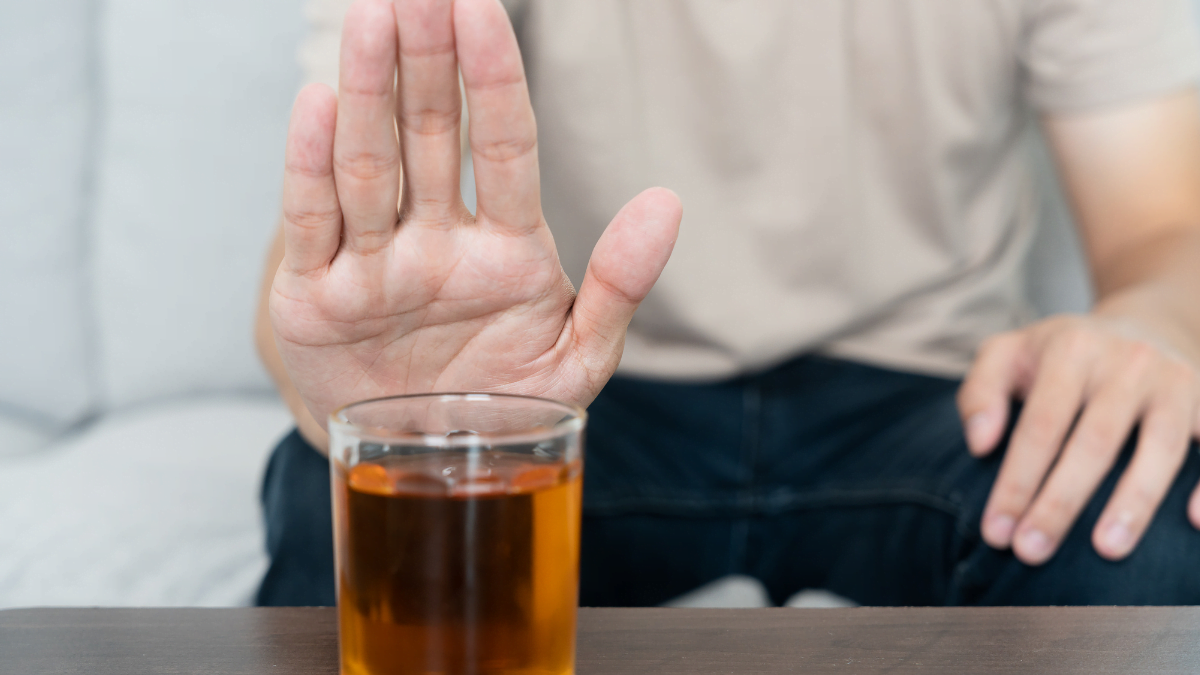
Xarelto and Alcohol can be a risky mix because both can increase your chance of bleeding, even though alcohol is not usually described as a direct drug interaction. The biggest concerns are stomach irritation, falls, missed doses, and added bleeding risk from other medicines. If you drink, your safest next step is to ask your prescriber what limit fits your health history, dose, and reason for taking rivaroxaban.
Rivaroxaban is the generic name for Xarelto. It is an anticoagulant, often called a blood thinner, although it does not actually thin blood. It reduces clot formation by blocking factor Xa, a clotting protein. That benefit matters for people at risk of harmful clots, but it also means bleeding can take longer to stop.
Key Takeaways
- Alcohol adds risk: Heavy or binge drinking can raise bleeding risk.
- Meals may matter: Some rivaroxaban doses need food for absorption.
- OTC drugs count: NSAIDs can compound stomach and bleeding risks.
- Interactions vary: Some antibiotics, antifungals, and supplements need review.
- Red flags need care: Head injury, black stools, or vomiting blood are urgent.
Why Alcohol Raises the Stakes on Rivaroxaban
Alcohol raises concern because it can irritate the stomach lining and affect judgment, balance, and medication routines. Rivaroxaban already increases bleeding tendency by reducing clot formation. When these effects overlap, bruising, nosebleeds, and gastrointestinal bleeding may become more likely.
The risk is not the same for everyone. A younger adult with no ulcer history and one drink with food may have a different risk profile than an older adult who drinks heavily, has kidney or liver disease, or takes an NSAID for pain. People with prior gastrointestinal bleeding, frequent falls, anemia, or heavy alcohol use should discuss alcohol more directly with their care team.
Why it matters: The dangerous part is often the combination of small risks.
For example, alcohol may cause reflux or gastritis. Then an NSAID may further irritate the stomach. Add anticoagulation, and a small stomach bleed can become harder to control. This is why Xarelto and Alcohol safety is less about one universal number and more about your full risk picture.
If you are reviewing your medicine plan, the Xarelto page can help you identify the medication name and related product context. For broader education on expected and serious reactions, see Xarelto Side Effects.
How Much Alcohol Is Too Much?
There is no risk-free alcohol amount that applies to every person taking rivaroxaban. Heavy drinking and binge drinking are the clearest concerns because they can increase bleeding risk, trigger falls, and make missed doses more likely. A single drink with food may be lower risk for some people, but it still deserves caution.
Searches like “how many beers can you drink on Xarelto” or “can I drink a glass of wine while on Xarelto” sound simple, but the answer depends on your diagnosis, bleeding history, age, liver health, other medications, and drinking pattern. Beer, wine, and whiskey all contain alcohol. The serving size differs, but the safety issue is the alcohol exposure and the situation around it.
What to do next is practical. Be honest with your prescriber about typical drinks per week, heavier weekends, and whether alcohol use is hard to reduce. Clinicians cannot give useful guidance if they only hear “social drinking” when the real pattern includes binge episodes.
Higher-risk drinking situations
- Empty stomach: Alcohol may irritate the stomach more.
- Missed meals: Some rivaroxaban doses need food.
- Frequent falls: Head injuries are more concerning.
- NSAID use: Stomach bleeding risk can rise.
- Prior ulcers: Baseline bleeding risk may be higher.
Xarelto and Alcohol may also become more concerning around dental work, injury, or procedures. If dental treatment is planned, review Xarelto And Dental Procedures and confirm your plan with the clinician managing your anticoagulant.
Food Timing, Evening Doses, and Missed Meals
Food timing matters because some rivaroxaban doses are absorbed better when taken with food. This is why many people are told to take certain doses with an evening meal. The meal helps the medicine reach expected blood levels, while the consistent routine also reduces missed doses.
People often ask what happens if they take Xarelto without food. The answer depends on the dose and instructions on your prescription. Some strengths may be taken with or without food, while others should be taken with food. If you are unsure, check the prescription label and ask your pharmacist or prescriber before changing your routine.
The “best time” is usually the time you can follow consistently while meeting food instructions. Some people take it with dinner because that meal is reliable. Others ask whether they can take Xarelto 20 mg in the morning. That may be a prescriber-specific decision if breakfast is your most dependable meal. Do not move the dose time without clinical guidance, especially if you are taking it for stroke prevention or recent clot treatment.
Quick tip: Pair the dose with a real meal, not just a drink.
Alcohol can disrupt this routine. A late night, skipped dinner, or nausea after drinking may make dosing less reliable. If your schedule makes meals unpredictable, ask whether there is a safer timing strategy for your prescription.
Medicines and Supplements That Need Extra Caution
Rivaroxaban interactions with other drugs deserve careful review because some medicines can raise bleeding risk or change rivaroxaban levels. The main pathways include CYP3A4 enzymes and P-glycoprotein, often shortened to P-gp. These pathways help the body process and transport many medications.
Some strong inhibitors can increase rivaroxaban exposure. Certain antifungals, some HIV medicines, and selected antibiotics may fall into this concern. Other medicines can induce those pathways, which may lower rivaroxaban exposure and reduce its intended anticoagulant effect. These interaction details are medication-specific, so every new prescription should be checked.
Patients often ask what drugs should not be taken with rivaroxaban. A safe answer is not a simple list, because the decision depends on dose, kidney function, indication, and whether the interacting medicine is short-term or essential. Still, you should flag new antibiotics, antifungals, seizure medicines, HIV medicines, and any drug that affects bleeding.
If you need background on why rivaroxaban is prescribed, Xarelto Uses explains common clot-related uses. For a broader condition-based view, see Conditions Xarelto Is Used For.
Supplements and herbal products
Supplements can matter, even when they feel “natural.” St. John’s wort may reduce rivaroxaban exposure through enzyme induction. Fish oil, high-dose omega-3 products, garlic, ginkgo, and similar products may add bleeding concerns for some people, especially when combined with alcohol or NSAIDs.
Vitamin K does not reverse rivaroxaban the way it can affect warfarin. Even so, sudden supplement changes can complicate medication reviews. Bring a full list of vitamins, teas, powders, and herbal products to appointments. Include how often you use them, not just their names.
If your clinician compares anticoagulant options, related medicines may include Rivaroxaban, Apixaban, Pradaxa, or Warfarin. These pages are useful for medication identification, but treatment choices should stay with your prescriber.
Pain Relief, Coffee, Green Tea, and Everyday Choices
Everyday products can affect bleeding risk or stomach comfort while taking rivaroxaban. NSAIDs, including ibuprofen and naproxen, can irritate the stomach and increase bleeding risk. This is why “what anti inflammatory can I take with Xarelto” is a question for a clinician or pharmacist, not a guess.
Acetaminophen, also called paracetamol, is often considered less likely to increase bleeding than NSAIDs when used as directed. However, heavy alcohol use can increase liver concerns with acetaminophen. Avoid stacking multiple cold, flu, and pain products that contain acetaminophen unless a clinician has reviewed the total amount.
Antihistamines do not usually raise bleeding risk in the same way NSAIDs can, but they can cause drowsiness in some people. Alcohol can worsen that drowsiness. If you feel unsteady, the fall risk matters more because head injuries are more serious while taking an anticoagulant.
Coffee does not act like a blood thinner. Most people can drink moderate coffee while taking rivaroxaban, but caffeine may worsen reflux or stomach upset. If coffee, alcohol, and spicy foods all trigger heartburn, the combined stomach irritation may be a reason to adjust habits.
Green tea is more nuanced. Regular food-level intake is different from concentrated extracts or unusually large amounts. If you drink several cups daily or use green tea supplements, mention it during medication review. This is especially important if you also bruise easily or drink alcohol.
Bleeding Signs That Should Not Be Ignored
Bleeding can be obvious, but it can also be subtle. Watch for nosebleeds that last longer than usual, bleeding gums, heavier menstrual bleeding, unusual bruising, pink or brown urine, and black or tarry stools. These symptoms do not always mean an emergency, but they deserve timely medical advice.
Urgent symptoms need faster action. Seek emergency care for vomiting blood, coughing blood, severe weakness, fainting, sudden severe headache, confusion, vision changes, or any head injury after a fall. Anticoagulants can make internal bleeding more dangerous, even when the injury seems minor at first.
Do not stop rivaroxaban on your own because stopping can raise clot risk in some situations. Instead, call the clinician who prescribed it, an urgent care service, or emergency services depending on symptom severity. If you are unsure, it is safer to ask promptly.
Older adults may need extra caution. Falls, kidney changes, multiple medications, and prior bleeding can all shift the risk balance. For more age-specific context, read Xarelto In The Elderly.
Practical Questions to Ask Your Care Team
You do not need to solve Xarelto and Alcohol decisions alone. A short, honest conversation can prevent confusion later. Bring specific details, including your dose schedule, usual meals, alcohol pattern, OTC pain relievers, supplements, and recent bleeding symptoms.
- Alcohol limit: Ask what fits your personal risk.
- Meal timing: Confirm whether your dose needs food.
- Pain relief: Review NSAIDs and acetaminophen use.
- New prescriptions: Check antibiotics and antifungals first.
- Supplements: Bring labels or photos.
- Bleeding plan: Know when to seek urgent care.
If medication access is part of your planning, BorderFreeHealth connects U.S. patients with licensed Canadian partner pharmacies, and prescription details are verified with the prescriber when required before pharmacy dispensing. Access options, including cash-pay cross-border prescriptions without insurance, depend on eligibility and jurisdiction.
You can also browse broader cardiovascular topics through the Cardiovascular collection. Use educational pages as a starting point, not as a substitute for individualized medical instructions.
Authoritative Sources
For official medication labeling, review the DailyMed rivaroxaban prescribing information, which describes warnings, administration details, and interaction pathways.
For patient-friendly medicine safety context, the NHS rivaroxaban medicine information explains common questions, including alcohol cautions and bleeding symptoms.
For U.S. consumer medication information, MedlinePlus rivaroxaban information summarizes uses, precautions, and when to seek help.
Recap
Xarelto and Alcohol is mainly a bleeding-risk issue, not just a yes-or-no interaction. Heavy drinking is the clearest concern, but smaller amounts can still matter when combined with missed meals, falls, NSAIDs, ulcers, or interacting medicines.
Keep your dosing routine consistent, follow food instructions for your prescription, and ask before adding new medicines or supplements. Seek urgent care for serious bleeding symptoms, head injury, or sudden neurological changes.
This content is for informational purposes only and is not a substitute for professional medical advice.


